
Resident Evil arrives on the silver screen this week on September 18, and the initial wave of critical appraisal signals a triumphant evolution for live-action video game adaptations. Directed by Zach Cregger and starring Austin Abrams alongside Johnno Wilson, this fresh interpretation tackles the legendary horror universe from an unconventional angle. Instead of retreading the familiar footsteps of veteran protagonists like Leon S. Kennedy or Claire Redfield, the production pivots toward an original narrative set within the margins of the established lore. The critical verdict confirms that this self-contained approach pays massive dividends, delivering a tightly wound survival horror experience that mirrors the genuine panic of holding a controller.
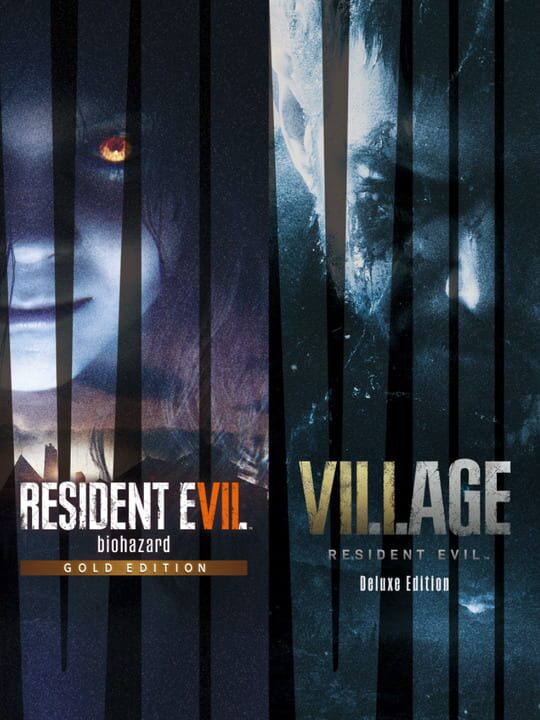
▲ Official Cover Art (Source: IGDB)
| Feature | Details |
|---|---|
| Film Project | Resident Evil (2026 Reboot) |
| Director | Zach Cregger |
| Lead Cast | Austin Abrams, Johnno Wilson |
| Runtime | 90 Minutes |
| Theatrical Release | September 18, 2026 |
| Core Genre | Survival Horror, Action Comedy |
Why Zach Cregger Conquers the Resident Evil Adaptation Curse
For decades, video game adaptations have struggled to translate interactive dread into passive cinematic storytelling, often getting bogged down in convoluted lore exposition or excessive character fan service. This new cinematic take sidesteps those historical pitfalls by constructing a razor-sharp 90-minute survival ordeal focused on an ordinary individual caught in the worst night of his life. By isolating the tension and refusing to dilute the pacing with forced franchise cameos, the narrative captures the authentic fight-or-flight panic that defined the original Capcom classics. Austin Abrams anchors the tension with a vulnerable performance that allows viewers to feel every scrape, bite, and scarce bullet.
The structural pacing balances pure grotesque body horror with pitch-black comedic absurdity, mirroring the unique tonal identity of the source games. Rather than leaning on clean CGI spectacle, the direction emphasizes visceral physical encounters and tactile grime. This design philosophy honors the mechanical rhythm of classic survival horror, where managing physical space and navigating claustrophobic environments generates genuine cinematic dread. It respects the games not by reciting their scripts, but by reproducing the sensory experience of exploring a hostile quarantine zone under severe resource constraints.
Translating Survival Mechanics and Horror Pacing to Film
Adapting the mechanical language of survival horror requires more than just biological monstrosities; it requires an acute understanding of inventory tension and vulnerability. The film cleverly integrates environmental puzzles and desperate close-quarters scrambles into its choreography, ensuring that every encounter feels dangerous rather than effortless. Protagonists in this narrative do not possess superhuman reflexes, forcing them to treat every single biological threat as a lethal puzzle. This grounded vulnerability directly mirrors the tension of low-health, red-screen gameplay encounters where every decision carries immediate consequence.
Furthermore, the creative team shows deep reverence for the visual aesthetics that define the franchise, utilizing industrial decay, flickering fluorescent corridors, and mutated biological horrors that feel ripped straight from laboratory basement levels. The self-contained scope ensures the horror never spirals into generic blockbuster excess, maintaining tight psychological pressure from opening frame to credits. By leaning into lean B-movie efficiency, the production sets a new baseline for how interactive horror properties should be handled on the big screen.

▲ Gameplay & Official Media (Source: IGDB)
Strengths and Friction Points
1. Uncompromising Pacing: The brisk 90-minute runtime eliminates narrative filler, keeping suspense taut and relentless throughout every sequence.
2. Mechanical Authenticity: Encounters prioritize scarcity, physical dread, and genuine panic over stylized superhero action.
3. Franchise Constraints: Minor moments where larger corporate IP obligations surface feel slightly jarring against an otherwise tight, intimate nightmare.
Zach Cregger establishes the blueprint for authentic Resident Evil horror.
By stripping away legacy baggage and zeroing in on atmospheric vulnerability, this adaptation succeeds where previous attempts faltered. It understands that player fear originates from isolation, scarce resources, and unpredictable creature encounters. Gamers finally receive a cinematic tribute that translates the visceral panic of the gaming franchise into pure cinematic gold.
Final Pulse Score: 8.5 / 10
Related Article: Resident Evil Movie Director Interview and Story Analysis
Related Article: Resident Evil Movie Creature Design Breakdown