
God of War Laufey has unexpectedly become the focal point of an intense industry conversation regarding gameplay stagnation and modern blockbuster design. The discussion erupted after veteran director Bruce Straley, celebrated for his work on The Last of Us and the Uncharted franchise, reflected on the current state of high-budget releases. While praising the staggering graphical prowess of modern titles, Straley questioned whether big-budget productions still offer compelling, innovative gameplay loops. Naming the upcoming Santa Monica Studio adventure inadvertently turned the project into a prime example during a public dialogue on repetitive mechanics.
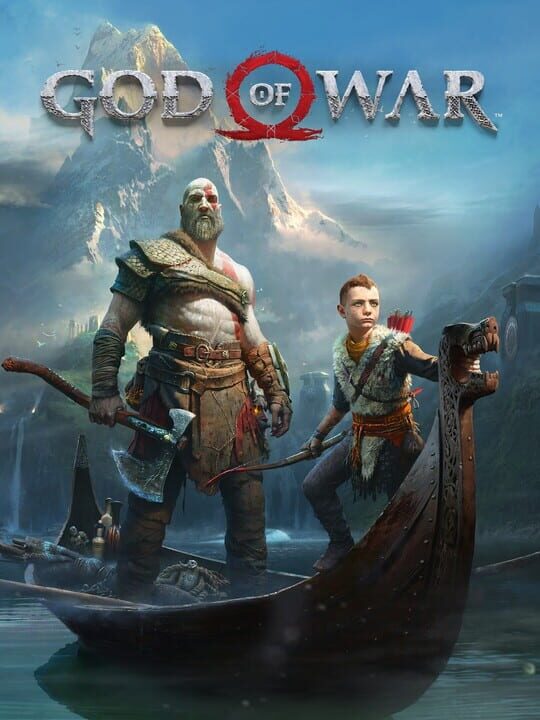
▲ Official Cover Art (Source: IGDB)
| Debate Focus | Gameplay Innovation in AAA Titles |
|---|---|
| Highlighted Project | God of War Laufey |
| Development Studio | SIE Santa Monica Studio |
| Scheduled Launch | February 16, 2027 |
| Key Figure | Bruce Straley (Former Naughty Dog Director) |
| Core Discussion | Player Verbs and Mechanics Stagnation |
The Core Argument Behind the AAA Design Critique
The controversy began when Straley openly discussed how modern major releases often recycle familiar gameplay loops without challenging player agency. He noted that while visual fidelity and cinematic presentation have reached unprecedented heights, the core mechanical verbs available to players have barely evolved across successive console generations. Referencing historical milestones such as Half-Life 2, Gears of War, BioShock, and Uncharted 2, Straley pointed out that past eras actively introduced fundamentally fresh interactions rather than merely refining old ones.
Recognizing how his initial remarks were being interpreted as a slight against Santa Monica Studio, Straley issued a public clarification on X to explain his broader systemic perspective. He expressed deep regret for dragging the creative team into unnecessary drama, highlighting that his frustration lies with systemic risk aversion rather than specific developers. He emphasized that top-level leadership frequently chases prevailing trends like live-service formats instead of empowering teams to redefine core interaction systems.
How God of War Laufey Fits into the Modern Action Landscape
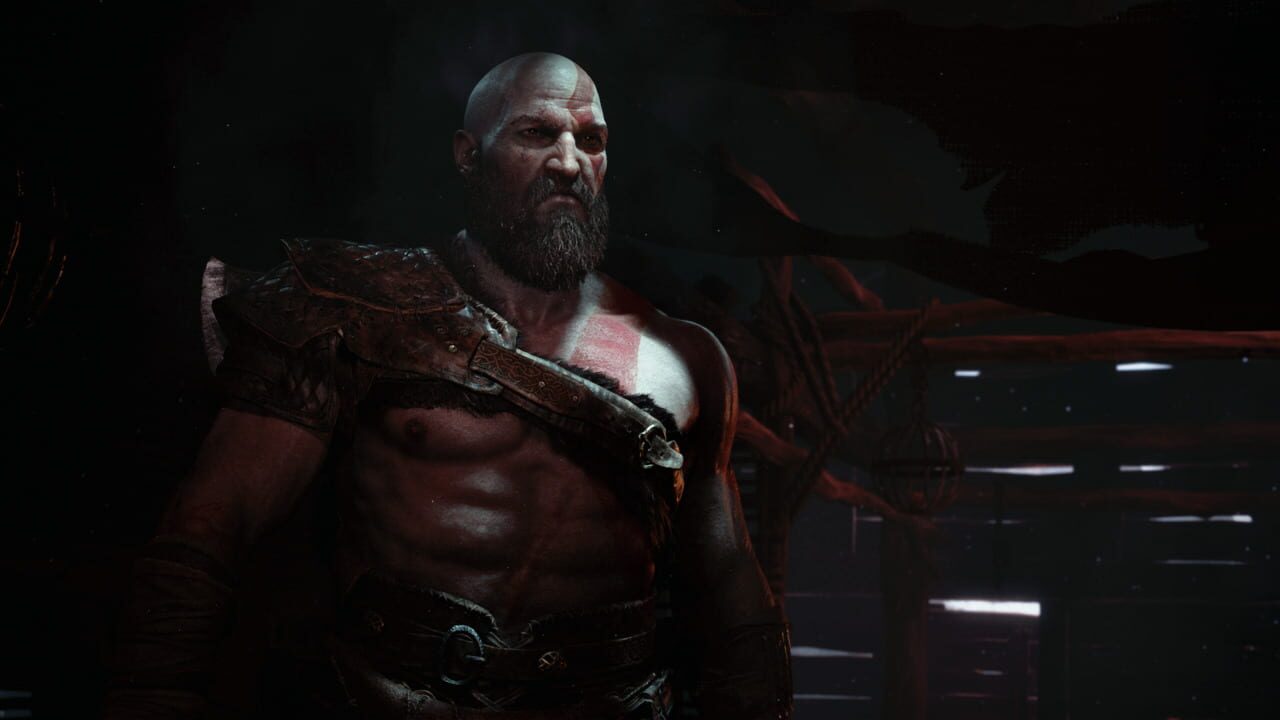
▲ Gameplay & Official Media (Source: IGDB)
The spotlight on God of War Laufey highlights the immense pressure facing top-tier action titles scheduled for release. Revealed with substantial gameplay footage showcasing Faye navigating the mythological afterlife realm known as the Everywhen, the title promises intense mythic combat and emotional storytelling. However, the wider debate questions whether refining established over-the-shoulder combat formulas will feel sufficiently novel to seasoned players who have mastered similar mechanics for over a decade.
For gamers, this dialogue touches on a vital truth regarding mechanical satisfaction versus visual spectacle. When high-budget games cost significant time and money, players increasingly look for meaningful evolutions in enemy AI behavior, environmental interaction, and movement freedom. If God of War Laufey manages to weave Faye unique magical abilities and narrative stakes into genuinely distinct combat mechanics, it could effectively disprove concerns and demonstrate how narrative-driven action games continue to evolve.
Balancing Cinematic Presentation with Mechanical Depth
Cinematic immersion has long defined the modern PlayStation identity, yet maintaining dynamic gameplay depth remains a delicate balancing act. As combat systems grow more automated to ensure photorealistic motion matching, players occasionally lose granular tactical control over their avatars. Ensuring that responsive, skill-based interactions remain central to the experience is essential for keeping moment-to-moment combat rewarding across dozens of hours.
Ultimately, the conversation surrounding God of War Laufey serves as a healthy reminder for the entire industry. Blockbuster titles must continue challenging themselves mechanically rather than relying solely on graphical milestones. As Santa Monica Studio refines Faye upcoming adventure ahead of its February 16, 2027 launch, the gaming community will be watching closely to see how the title advances the beloved franchise.
Action mechanics must evolve alongside graphical fidelity to sustain long-term player engagement.
While visual presentations continue setting benchmark standards across major studio productions, core combat verbs require equal innovation. The spotlight on Faye mythic journey underscores an ongoing demand for distinct interactive systems that reward tactical experimentation rather than safe mechanical repetition.
Final Pulse Score: 8.5 / 10
Related Article: God of War Laufey Director Interview Insight
Related Article: God of War Laufey Release Date Kratos Return