
Marvel’s Wolverine has found itself at the center of player scrutiny following visual oddities discovered within its detailed urban environments. Players exploring the newly released PlayStation 5 exclusive noticed distorted, melted figures across several in-game bathroom signs, prompting speculation across community hubs that uncurated generative AI assets had been utilized during production. The rapid circulation of video clips sparked intense debate regarding asset authenticity, pushing the development team to step forward with direct technical clarification to settle community concerns.
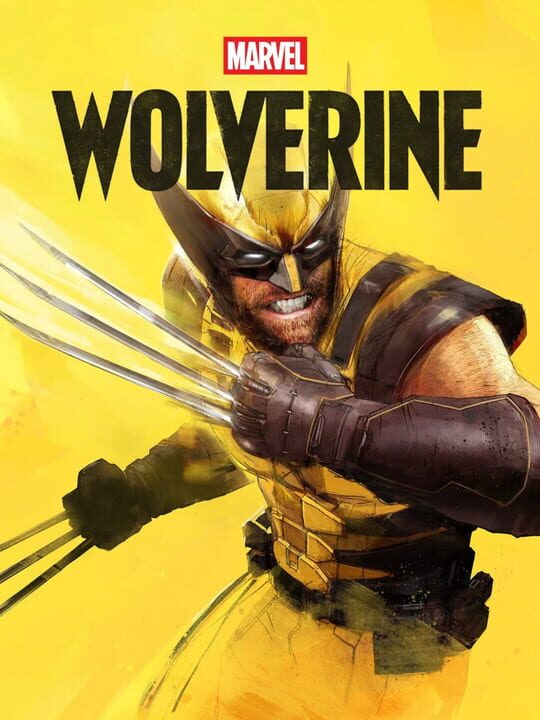
▲ Official Cover Art (Source: IGDB)
| Issue Identified | Distorted environmental signage textures |
|---|---|
| Developer Confirmation | Zero generative AI assets used |
| Root Cause | In-engine UV mapping bug |
| Resolution Status | Targeted visual patch in development |
Clarifying Technical Anomalies in Marvel’s Wolverine
Insomniac Games moved swiftly to address the community reaction surrounding the distorted environment art. Director of Community and Marketing James Stevenson explicitly confirmed that Marvel’s Wolverine contains no AI-generated assets whatsoever. The bizarre visual melting seen on restroom doors stems entirely from an internal UV mapping bug that improperly projected 2D texture coordinates onto 3D environmental surfaces, creating an artifacted appearance that resembled automated generation artifacts.
Understanding UV mapping is essential to understanding why this glitch occurred. When 3D modelers map flat textures onto geometry, misaligned coordinate data or shader binding conflicts can warp vectors, resulting in smeared imagery. Because contemporary generative models often produce similar boundary warping, players mistook the rendering error for machine-generated art. Insomniac confirmed that an upcoming hotfix is already in the pipeline to correct these texture mapping errors across affected levels.
Community Vigilance and Post-Launch Trajectory
The intense scrutiny around Marvel’s Wolverine highlights how sensitive the modern gaming audience has become toward production methods. With concerns over asset authenticity and creative labor at an all-time high, players actively inspect background details, UI elements, and texture quality. While this vigilance occasionally misidentifies standard rendering bugs as artificial generation, it emphasizes the immense pressure high-budget action titles face to maintain immaculate visual presentation from day one.

▲ Gameplay & Official Media (Source: IGDB)
Refining the Core Experience Beyond Launch Week
This texture clarification arrives as part of an active post-launch support phase following the September 15, 2026 launch. The studio has already addressed community feedback regarding navigational aids by adjusting the visual density and audio cues of Logan’s tracking mechanics. With steady gameplay refinements underway, the team continues optimizing both presentation and player comfort to ensure the claw-slashing combat delivers its intended visceral impact without technical distractions.
Visual bugs in high-profile releases demand transparent developer communication to prevent player skepticism.
The swift debunking of AI involvement in Marvel’s Wolverine demonstrates the vital importance of clear technical explanations in today’s gaming climate. When rendering anomalies mimic automated generation artifacts, developer clarity preserves player trust and refocuses attention on core gameplay refinement.
Final Pulse Score: 8.0 / 10
Related Article: Marvels Wolverine Scent Trail Nerf Update
Related Article: Marvels Wolverine Gameplay Systems Breakdown