
High-speed arcade velocity and roguelite meta-progression sound like an unusual pairing on paper, yet Star Wars Galactic Racer is combining both to overhaul traditional racing dynamics. Fuse Games has taken an unorthodox, tactile route to building its progression framework, testing the core upgrade economy not within complex engine builds, but on a physical tabletop. By leaning into dice, index cards, and Post-it notes, the design team stress-tested build variety, stat distribution, and reward pacing before committing code to a single digital vehicle.
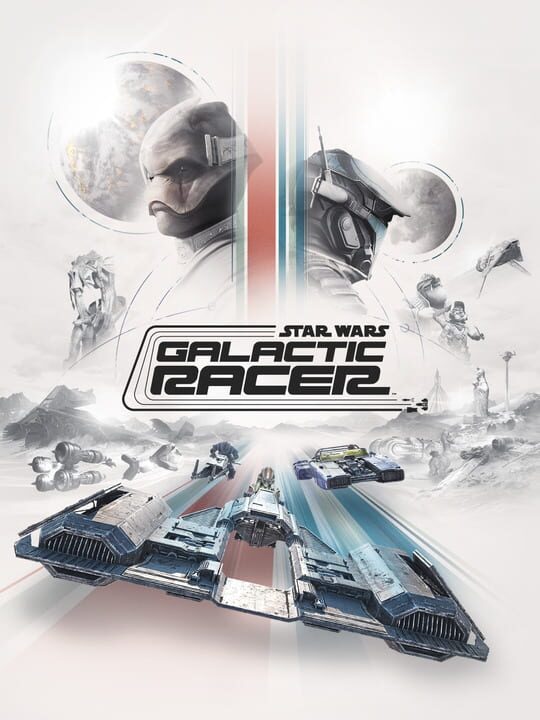
▲ Official Cover Art (Source: IGDB)
Tabletop Prototyping for High-Speed Arcade Design
Modern game development usually relies on immediate in-engine iteration, but the development of Star Wars Galactic Racer represents a return to fundamental game design principles. Creative director Kieran Crimmins and CEO Matt Webster established an analog board game to dissect the exact emotional cadence of acquiring upgrades and spending resources. Modern engines excel at rendering cinematic speed, yet complex software often creates an unnecessary barrier when tuning purely systemic feedback loops.
By abstracting the racing circuit into a sequence of dice rolls and card-based events, the studio isolated the core meta layer from mechanical controls. This paper-and-cardboard format allowed rapid balance shifts in a matter of minutes rather than hours of recompiling. The team could instantly assess whether stat rewards felt meaningful or if certain upgrade combinations overpowered the ecosystem, establishing a rock-solid foundation for player investment well before high-definition graphics were ever rendered.
Speeder Builds, Tuning Points, and Roguelite Economics
The core gameplay loop driving Star Wars Galactic Racer borrows directly from modern rogue-lite classics, trading static garage purchases for randomized, reactive customization. Races reward competitors with event-specific prizes alongside tuning points that must be allocated across three randomly generated vehicle attributes. Players are not merely buying pre-set top speeds; they are actively shaping specialized machine builds tailored to surviving aggressive track conditions.
| System Attribute | Gameplay Execution |
|---|---|
| Event Completion | Yields event-specific credits and dynamic vehicle components. |
| Tuning Point Allocation | Spent across three randomly generated stats per race tier. |
| Modular Speeder Parts | Alters handling profiles and triggers conditional status effects. |
| Inter-Mission Vendor | Shop intervals allow spending accumulated credits on new abilities. |
| Meta Unlock Pool | Permanent upgrades and expanded part options carry over between runs. |
After conquering a series of high-stakes sprint events, racers transition to an open market phase. Here, accrued credits unlock game-altering perks, fresh handling abilities, and high-tier speeder modules. When a run concludes, accumulated tuning points fund permanent account upgrades, feeding newly unlocked parts back into the global loot pool to organically diversify subsequent attempts.

▲ Gameplay & Official Media (Source: IGDB)
Why Roguelite Progression Transforms the Racing Experience
Arcade racing campaigns have traditionally struggled with mechanical stagnation, frequently locking players into rigid, linear vehicle tiers that discard early machines in favor of flat statistical upgrades. By adopting roguelite modularity, Star Wars Galactic Racer ensures that early-game components remain viable when paired with synergistic status-effect perks. Players must weigh the risks of specialized builds against unpredictable track hazards, introducing genuine tactical depth to vehicle drafting.
This design architecture creates high replay value, ensuring each attempt in Star Wars Galactic Racer feels distinct. If an event offers parts skewed toward defensive hull plating, players can adapt their tactical mindset to aggressive vehicular combat rather than pure clean-line time trials. The unpredictability of component pools challenges pilots to master unfamiliar handling models on the fly, breaking the repetitive loop typical of traditional genre campaigns.
📌 Frequently Asked Questions (FAQ)
Q. Why did Fuse Games build a board game to prototype Star Wars Galactic Racer?
A. The development team created a physical board game using dice and Post-it notes to quickly iterate, balance, and validate the emotional feel of the progression system without spending development time coding early engine builds.
Q. How does the roguelite system work in Star Wars Galactic Racer?
A. Races award tuning points to distribute across three random stats, alongside speeder components that grant unique abilities or status effects. Between runs, credits are spent in shops, while permanent upgrades and new unlockable parts carry over into future runs.
Q. What advantages does roguelite progression offer to racing games?
A. It replaces rigid, linear vehicle purchases with modular part synergy and build variety, forcing players to adapt their piloting style to randomized components and keeping repeated tracks engaging.
Paper Prototyping Guarantees Mathematical Balance
By isolating meta progression inside a physical board game, Fuse Games avoided the feature creep and tech bloat that frequently undermine arcade economy designs. Stripping visual spectacle away forces the math, risk-reward ratios, and reward cadences to carry the entire player experience. If a mechanical progression loop is compelling when played with paper tokens, it will translate into an exceptionally addictive gameplay loop when merged with breakneck arcade speeds.
Final Pulse Score: ⭐⭐⭐⭐☆