
When Hollywood attempts to adapt legendary video game franchises, directors almost universally stumble into the trap of turning vulnerable protagonists into invincible action heroes. Zach Cregger cinematic take on Resident Evil, which debuted to critical acclaim last month, pointedly refused that mainstream indulgence. The production opted instead for relentless atmosphere, raw tension, and authentic vulnerability. Industry icon Hideo Kojima weighed in on October 12 with high praise for the film, emphasizing that Cregger managed something extraordinarily rare. Rather than delivering a dry replication of franchise lore, the film captures the exact emotional resonance of playing the original PlayStation classic in 1996.
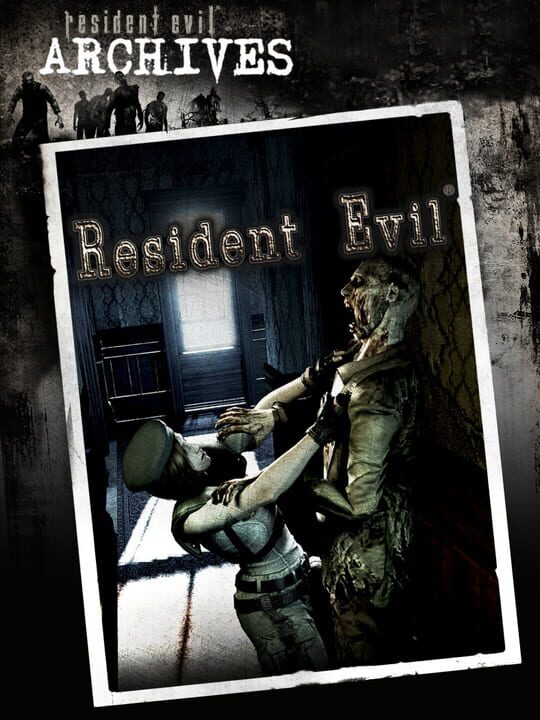
▲ Official Cover Art (Source: IGDB)
Deconstructing the Cregger Aesthetic Through Kojima Lens
Kojima publicly shared his reaction after viewing the film, admitting that while he approached the screening without major initial expectations, Cregger direction immediately grabbed his attention. The Metal Gear creator noted that the film immediately evokes the sonic terror of John Carpenter classic The Thing before unleashing an uncompromising assault of vintage horror techniques, claustrophobic encounters, and escalating jump scares. While surface level readings might mistake classic techniques for unoriginality, Kojima analysis gets straight to the point. The film builds its horror through relentless pacing and psychological pressure rather than sleek, unearned narrative shortcuts.
The veteran game director explicitly declared that this project feels less like an ordinary cinematic adaptation and more like a visceral simulation of playing Resident Evil with a gamepad gripped tightly in sweaty hands. Kojima recalled his own formative sessions with the 1996 PlayStation original, where survival was never guaranteed and panic led to catastrophic player error. By mirroring that frantic trial and error loop on the silver screen, the film connects with the lived psychology of survival horror enthusiasts across generations.
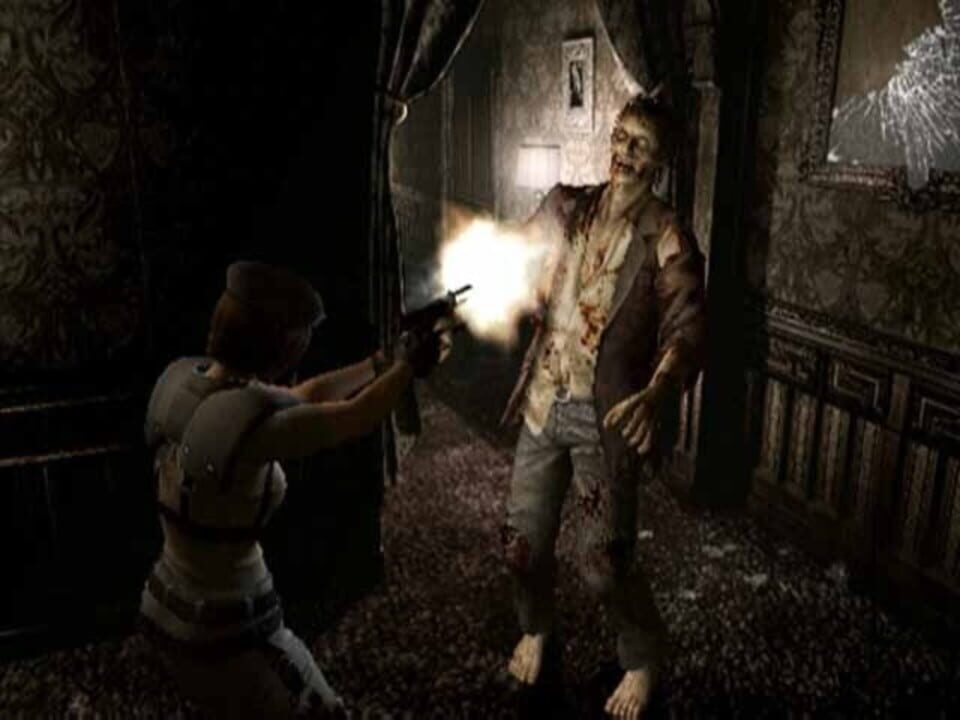
▲ Gameplay & Official Media (Source: IGDB)
The Bryan Paradigm and Translating Gameplay Mechanics into Cinema
At the center of this thematic triumph is the character of Bryan, portrayed by Austin Abrams. For decades, video game cinema suffered under the misconception that audiences only want to watch overpowered super soldiers executing flawless headshots without breaking a sweat. In stark contrast, Bryan mirrors the chaotic, clumsy reality of an ordinary person thrust into unfathomable nightmare scenarios. He fumbles with firearms, demonstrates horrific accuracy under duress, sprints away in unadulterated panic, and constantly makes tactical mistakes that any stressed gamer recognizes from their own late night playthroughs.
Kojima directly saw himself in Bryan, candidly confessing that during his first run through the Spencer Mansion thirty years ago, he suffered endless game over screens while screaming profanities in total frustration. This human failure state is precisely what gives early survival horror its emotional weight. When ammo counts are strictly limited and tank controls amplify mechanical clumsiness, fear stems directly from vulnerability. Cregger brilliant narrative stroke was realizing that Bryan incompetence is not an annoying narrative flaw, but rather the emotional bedrock of authentic tension.
The Survival Horror Lineage from 1996 PlayStation to Modern Screen
Examining the structural evolution of the genre reveals why this particular framing resonates so powerfully with veterans and newcomers alike. Instead of turning Resident Evil into an over choreographed martial arts extravaganza, the production reclaims the quiet dread and agonizing hesitation that defined Shinji Mikami foundational masterwork. Every closed door represents an existential gamble, and every spent shotgun shell carries genuine consequence for survival.
By rejecting excessive digital spectacle in favor of physical terror and sensory isolation, the narrative reminds us why the fundamental DNA of early Resident Evil games was never about superhuman competence. It was about average individuals desperately trying to navigate claustrophobic corridors while managing dwindling resources. Cregger movie embraces that panic driven rhythm, translating digital mechanical limitations into sharp cinematic grammar that validates thirty years of collective gamer memory.
📌 Frequently Asked Questions (FAQ)
Q. What did Hideo Kojima say about the Resident Evil movie?
A. Kojima stated that the film captures the feeling of playing the game with a controller in hand, reminding him of his own panic and repeated game overs while playing the 1996 original on PlayStation.
Q. Who directed the critically acclaimed Resident Evil film released in 2026?
A. The film was directed by Zach Cregger, who focused on classic horror techniques, oppressive atmosphere, and relentless tension.
Q. Why is the character Bryan considered central to the movie success?
A. Bryan embodies the clumsy, panicked reality of an actual player managing scarce resources and missing shots under extreme survival horror stress.
Subverting Adaptation Tropes Through Authentic Failure States
Zach Cregger achieves cinematic authenticity not by obsessing over rigid lore fidelity, but by translating the physical sensation of survival horror gameplay onto the screen. By grounding the protagonist in mechanical clumsiness, desperate panic, and constant near death encounters, the film mirrors the exact emotional friction of 1996 game design. Hideo Kojima endorsement underlines a critical industry lesson that capturing how a classic title feels to play is vastly more impactful than merely copying what it looks like.
Final Pulse Score: ⭐⭐⭐⭐⭐