
Riot Games has officially confirmed that League of Legends Classic will shut down in January 2027, concluding a brief six-month run that attempted to bottle the lightning of the MOBA genre early competitive era. Launched just three months ago, the experimental throwback stripped away over a decade of system reworks, returning Summoner Rift to its pre-2013 foundation with archaic champion kits and vintage map geometry. However, player retention collapsed far faster than anticipated, proving that while fond memories of early seasons burn brightly, the punishing quirks of legacy mechanics struggle to anchor a dedicated modern player base.

▲ Official Cover Art (Source: IGDB)
The Sunset Timeline and Incoming Champion Rollouts
Despite the looming closure, Riot is not abandoning its scheduled development pipeline immediately. The current operational season will serve as the final chapter for League of Legends Classic, with developers pushing forward with planned champion releases to complete the retro roster cycle. Riot plans to issue refunds for mode-specific purchases rendered obsolete by the January 2027 sunset, ensuring players are not left out of pocket after investing in legacy cosmetics and unlocks.
Before the servers go dark, developers will deliver at least seven additional champions across upcoming maintenance cycles. The rollout begins in the imminent 26.21 patch update, which reintroduces heavy hitters and era-defining kits to the retro Rift:
- Patch 26.21 Arrivals: Mordekaiser, Yorick, Hecarim, and Lucian will re-enter the vintage champion pool, giving veterans a final window to pilot their un-reworked kits.
- Final Roster Additions: Subsequent mini-patches will deliver Volibear, Urgot, and Udyr, reviving original stance-dancing and point-and-click juggernaut mechanics.
- Content Reimbursement: Full refund systems will automatically process for any Classic-exclusive purchases once the servers deactivate in January 2027.
- Event Mode Future: Riot has stated the mode will be shelved temporarily, with intentions to retool the infrastructure into a rotating seasonal event mode rather than a permanent playlist.
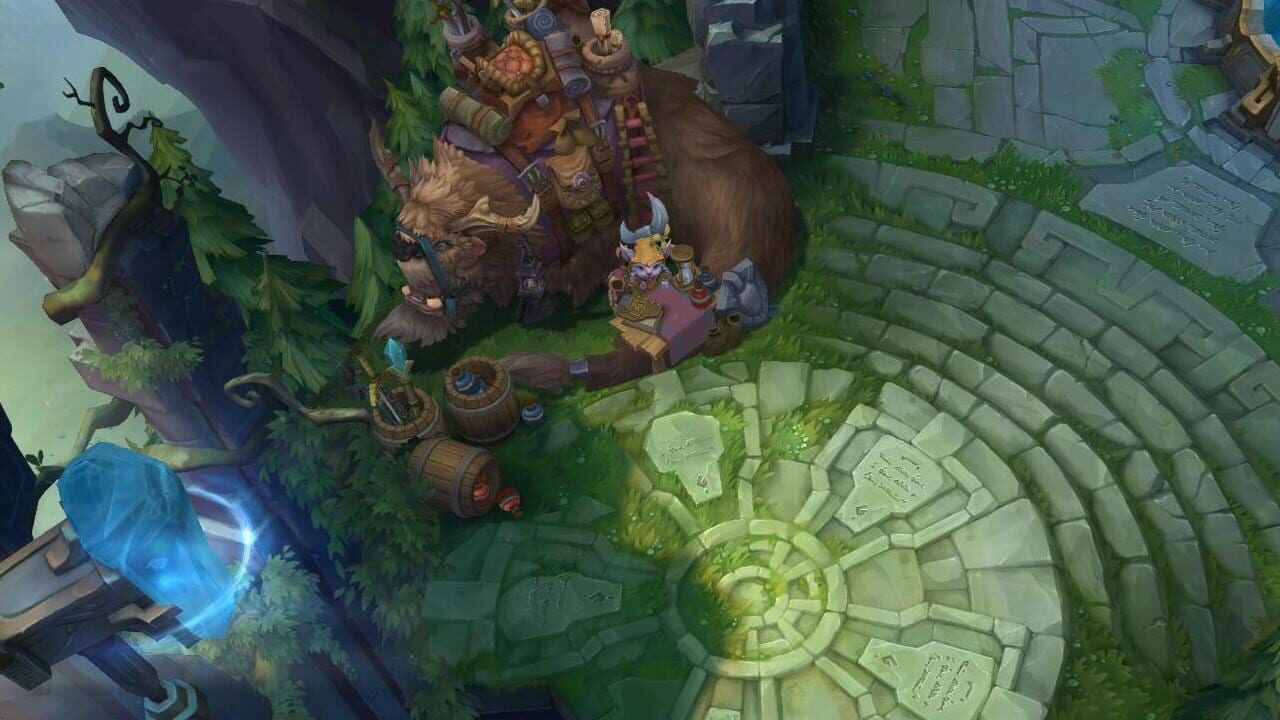
▲ Gameplay & Official Media (Source: IGDB)
Why Nostalgia Fractured Under Hardcore Scrutiny
The core dilemma facing League of Legends Classic stems from the fundamental nature of competitive MOBA design versus ambient MMORPG nostalgia. While vintage role-playing titles thrive on social hubs, slow-paced exploration, and shared digital living rooms, competitive MOBAs live and die by mechanical balance and friction. Early Summoner Rift was notoriously unforgiving, defined by aggressive jungler leashes, restrictive gold income, ruthless snowball mechanics, and clunky targeting hitboxes that modern balance teams spent twelve years refining.
As veteran esports competitor Alex Chu highlighted during early community discussions, nostalgia in a competitive game is inherently fractured. Every generation of summoners possesses a completely different definition of what classic means depending on when they started their climb. For original pioneers, the 2013 baseline represents peak tactical purity, but for the millions who joined in later competitive eras, the environment felt less like a cherished homecoming and more like an unpolished, mechanically regressive shell.
The Divergence of MOBA and MMO Nostalgia
Unlike massive multiplayer worlds where players can linger in low-stakes social environments, every match of League of Legends Classic demands intense focus, tactical execution, and forty minutes of high-stress combat. The rapid development pace of early Riot updates, which introduced brand-new champions every two to three weeks, meant the game state never truly remained static long enough to establish a permanent historical baseline. Consequently, freezing the game in one rigid snapshot stripped away the dynamic novelty that made the original era exciting in the first place.
Once the initial novelty of stacking vintage wards and testing archaic ability scaling evaporated, the vast majority of players naturally migrated back to the fluid movement, expansive champion diversity, and refined quality-of-life tuning of modern League. While dedicated community factions advocated for radical experimental changes such as season-long champion bans, custom drafts, or council-driven meta enforcement, the mode could not sustain the critical mass required for healthy matchmaking queues.
📌 Frequently Asked Questions (FAQ)
Q. When will League of Legends Classic officially shut down?
A. League of Legends Classic is scheduled to go offline in January 2027, marking the end of its six-month run.
Q. Will players receive refunds for purchases made in League of Legends Classic?
A. Yes, Riot has confirmed that refunds will be issued for Classic content that becomes obsolete once the mode closes.
Q. Which new champions are still coming to the mode before it closes?
A. Patch 26.21 will introduce Mordekaiser, Yorick, Hecarim, and Lucian, followed by Volibear, Urgot, and Udyr in subsequent updates.
The Reality of Static Retro Balance
A competitive MOBA cannot survive purely on archival preservation because its original magic came from constant evolutionary chaos, not a stagnant sandbox. By locking the meta into an inflexible 2013 architecture, League of Legends Classic inherited every ancient balance flaw without the rapid bi-weekly patches that originally kept those flaws tolerable. Transitioning the concept into a limited-time rotating event mode is the correct structural pivot to deliver sharp nostalgia bursts without fracturing matchmaking queues.
Final Pulse Score: ⭐⭐⭐☆☆