
When video game adaptations attempt to condense sprawling eighty-hour roleplaying adventures into two-hour cinematic runtimes, the results frequently alienate both hardcore enthusiasts and casual moviegoers. Fortunately for fans of Night City, the cinematic future of Cyberpunk 2077 is officially heading down a much smarter path. Studio leadership has now confirmed that the upcoming live-action project in collaboration with Paramount Pictures will strictly eschew a direct narrative retelling of the video game. Instead of attempting to cram V and Johnny Silverhand into a rigid theatrical structure, the production is setting its sights on an original storyline that expands the broader universe.
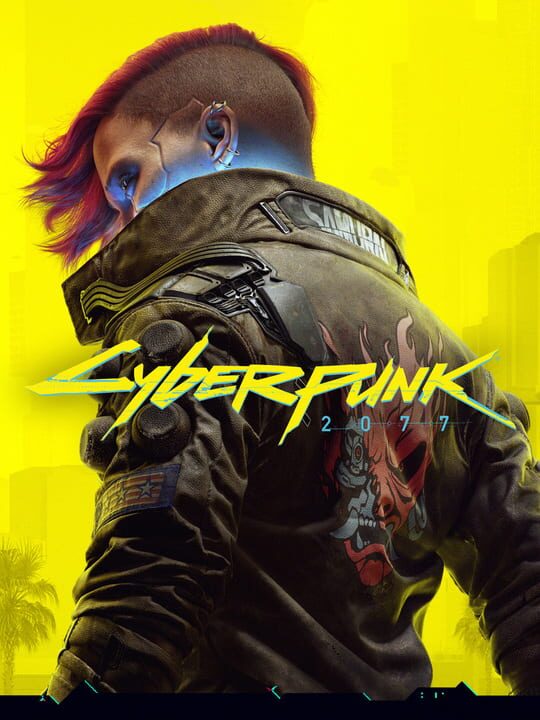
▲ Official Cover Art (Source: IGDB)
Steering Clear of the One-to-One Narrative Trap
CD Projekt Red joint-CEO Michał Nowakowski clarified the creative direction for the upcoming project, emphasizing that the team is not interested in delivering a beat-for-beat cinematic translation of the digital campaign. Following the conclusion of a previous partnership with Anonymous Content, CDPR transitioned to partner with Paramount Pictures to construct a completely new creative formula for the big screen. The core creative imperative is crystal clear: build an authentic narrative rooted firmly within the dark future, while completely respecting player autonomy by leaving V personal journey untouched.
This decisive narrative boundary comes as an immense relief to RPG enthusiasts who spent years shaping their own version of Night City. In an open-world experience like Cyberpunk 2077, no two players share the exact same mercenary journey. Forcing a singular, canonical gender, background life path, romantic allegiance, or tragic ending onto V for theatrical convenience would inevitably invalidate millions of individual playthroughs. By stepping away from the central questline of the base game, the filmmakers can construct dramatic stakes without tampering with personal player headcanons or flattening intricate branching dialogue choices into standardized Hollywood tropes.
The Edgerunners Blueprint Proves World Over Plot
This creative philosophy mirrors the undisputed critical and commercial success of earlier cross-media expansions within the franchise. When anime spinoffs visited Night City, they avoided touching the digital campaign entirely, choosing instead to showcase how street-level mercenaries get chewed up and spit out by megacorporations and cyberpsychosis. That fresh perspective invigorated the entire community, directly fueling massive resurgence numbers for the core title across modern platforms. The live-action film appears poised to adopt this exact same world-first philosophy.
- Preserving Player Autonomy: Keeping V personal narrative off the silver screen ensures that every unique roleplay choice and ending remains valid within personal player canon.
- Pacing Tailored for Cinema: An original standalone story circumvents the impossible task of cramming dozens of sprawling side gigs, fixer contracts, and major story arcs into a brief two-hour cinematic runtime.
- Fresh Corner of Night City: A bespoke narrative permits screenwriters to explore corporate boardrooms, Trauma Team operations, or unexplored district subcultures that received limited focus in the interactive game.

▲ Gameplay & Official Media (Source: IGDB)
Avoiding the Pitfalls of Superficial Fan Service
While establishing an independent narrative is undeniably the correct strategic move, crafting a standalone tale in the dark future carries its own distinct set of artistic challenges. Cross-media adaptations frequently stumble into the trap of becoming frantic scavenger hunts for brand iconography, stuffing frames with recognizable weapon models, familiar soundtrack cues, and brief cameos while neglecting genuine thematic depth. Night City is not merely an aesthetic collection of neon signs and chrome mantis blades; it is a scathing critique of unchecked corporate monopolies and human alienation.
To deliver an authentic experience worthy of the franchise pedigree, Paramount Pictures and CD Projekt Red must prioritize substantive storytelling that matches the visceral, morally gray weight of the source material. A successful cinematic journey in Cyberpunk 2077 requires grounded character development, sharp sociopolitical commentary, and genuine consequences rather than hollow visual pastiche. If the production treats Night City as a living, oppressive character rather than just a vibrant backdrop for generic action set pieces, the live-action project could easily set a new standard for gaming cinema.
📌 Frequently Asked Questions (FAQ)
Q. Will the Cyberpunk 2077 movie adapt the story of V and Johnny Silverhand?
A. No, CD Projekt Red leadership has confirmed that the live-action movie will feature an original storyline set in the world of Cyberpunk rather than a direct one-to-one retelling of the game plot.
Q. Who is partnering with CD Projekt Red to produce the Cyberpunk movie?
A. CD Projekt Red is collaborating with Paramount Pictures to develop the live-action Cyberpunk film project after their previous agreement with Anonymous Content concluded.
Q. Why is the movie avoiding a direct adaptation of the video game storyline?
A. Opting for an original story avoids invalidating diverse player choices and endings from the open-world RPG, while allowing filmmakers to construct pacing specifically suited for cinema.
Decoupling Canon Protects Franchise Immersion
By officially stepping away from a literal translation of the game narrative, CD Projekt Red preserves the sacred roleplaying agency that defines Cyberpunk 2077. Transmedia adaptations consistently deliver their strongest work when treating video game worlds as rich theatrical settings rather than rigid screenplays waiting for live-action replication. Free from the burden of adapting hundreds of hours of branching quests, filmmakers can deliver a tightly focused, high-stakes thriller that honors the setting without patronizing its dedicated player base.
Final Pulse Score: ⭐⭐⭐⭐☆