
When visionary leads depart high-profile live-service games, the public rarely glimpses the psychological transition required to step away from a universe they spent years crafting. For veteran game director Jeff Kaplan, leaving Blizzard Entertainment marked a deliberate and permanent severing of ties with Overwatch, the revolutionary hero shooter that reshaped tactical multiplayer design upon its historic debut. Choosing total disengagement over lingering nostalgia, Kaplan has treated the parting not as an agonizing loss of ownership, but as a mandatory rite of passage necessary to safeguard mental clarity and creative ambition.
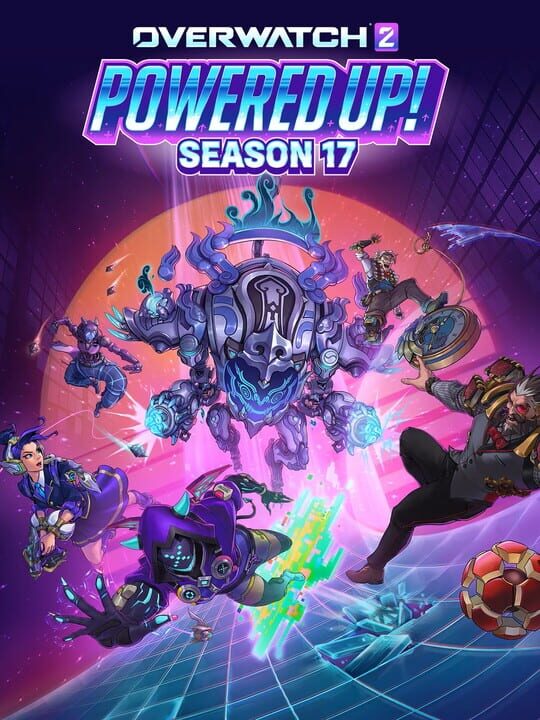
▲ Official Cover Art (Source: IGDB)
The Architecture of Creative Detachment in Modern Game Design
Stepping away from a massive title like Overwatch demands an ironclad boundary between the designer identity and the ongoing live product. In live-service development, hero balancing, competitive ranked dynamics, and seasonal content patches fundamentally alter core gameplay loops on a monthly basis. Watching those structural shifts from the outside can easily become an exercise in frustration for a former director whose foundational vision dictated every ability cooldown, movement velocity, and map choke point. By stepping away from the shooter completely and resisting the urge to critique iterative patch balance, a creator acknowledges that evolving multiplayer environments belong entirely to the active design squad and the community grinding competitive ranks.
This deliberate boundary also shields developers from the cognitive dissonance of public feedback loops. When players voice grievances regarding hero balance, role queue matchmaking, or seasonal progression systems, they frequently project past design philosophies onto current systemic problems. Navigating that external discourse while attempting to architect entirely fresh mechanics creates an unnecessary burden. Severing ties allows a creative lead to reset their operational rhythm without second-guessing every systemic tweak introduced by subsequent teams.
From Azeroth to Team 4 Learning How to Relinquish Creative Control
Kaplan points to his earlier departure from World of Warcraft in late 2008 as the critical trial run that taught him emotional resilience in software development. During the golden era of mass-scale MMORPGs, working on raid encounters and world quest pacing was not merely an occupational duty, but an all-consuming lifestyle that dictated every waking hour. When transitioning from that era into new experimental ventures, the abrupt emotional disconnect felt jarring and deeply disorienting. That initial shock provided the psychological blueprint for how to eventually depart Overwatch without enduring prolonged creative paralysis.

▲ Gameplay & Official Media (Source: IGDB)
The core takeaway from that systemic transition centers on the reality of enterprise game development: live games inevitably outgrow their original architects. The moment a collaborative shooter reaches millions of active users worldwide, systemic balance ceases to belong to any single mind. Game mechanics become an emergent, collaborative negotiation between professional esports contenders, casual lobby players, and the ongoing live operations division. Accepting that truth enables a healthy clinical detachment, ensuring past triumphs do not compromise future creative risk-taking.
Rejecting Algorithmic Echo Chambers and the Nostalgia Trap
In our hyper-connected digital landscape, avoiding discussion around a global cultural phenomenon requires conscious effort. Kaplan actively trains recommendation algorithms to filter out hero shooter discourse, avoiding dedicated online subreddits, gameplay clip compilations, and retrospective essays entirely. By refusing to linger on vintage tournament broadcasts or launch-era trailers, he actively resists becoming an industry analogue of the washed-up high school athlete endlessly replaying old glory reels.
- Algorithmic Quarantine: Systematically suppressing personal search queries and video platform tags prevents passive exposure to past projects.
- Community Boundary Maintenance: Stepping away from competitive forums shields mental stamina from persistent balance debates and community grievances.
- Forward Momentum: Directing focus toward unannounced mechanical systems rather than critiquing current live-service hero adjustments.
This discipline reinforces a standard of humility that many veteran studio directors struggle to embrace. While celebrating historic milestones such as the electric BlizzCon 2014 reveal and the legendary narrative cinematics produced by the franchise team, lingering on those accolades risks creative complacency. Grounding one artistic legacy in the rearview mirror only delays the arduous mechanical legwork required to conceptualize fresh gameplay paradigms.
Pivoting Toward The Legend of California and Fresh Structural Frontiers
Unshackled from past commitments, Kaplan has directed his creative energies toward The Legend of California, an ambitious open-world online first-person shooter set against the evocative backdrop of an alternate-history Gold Rush era. Moving away from the rigid lane-based objectives and ultimate economy that defined Overwatch, an open-world frontier framework introduces distinct design priorities. Emergent encounters, survival exploration pacing, and territorial resource skirmishes require entirely different balance philosophies than five-on-five or six-on-six arena tactical combat.
Navigating this indie-scale transition challenges a seasoned developer to iterate without the immense safety net of a multi-billion-dollar publisher. Building novel shooting mechanics and gunplay physics from scratch demands intense focus and an unclouded perspective. By cleanly cutting ties with his past portfolio, Kaplan exemplifies the rare ability to honor foundational achievements while aggressively pursuing the next frontier of immersive multiplayer interaction.
📌 Frequently Asked Questions (FAQ)
Q. Why did Jeff Kaplan decide to cut ties completely with Overwatch?
A. Kaplan chose complete detachment to preserve his mental clarity, avoid the nostalgia trap of constantly reviewing past achievements, and allow the current development squad and community full ownership of the evolving game.
Q. What prior experience prepared Jeff Kaplan for leaving the hero shooter?
A. His departure from World of Warcraft in late 2008 served as an emotional blueprint, teaching him that massive live-service titles ultimately belong to the collaborative team and the community rather than any single creator.
Q. What project is Jeff Kaplan currently developing?
A. Kaplan is leading development on The Legend of California, an open-world online first-person shooter set in an alternate-history version of California during the Gold Rush.
The Strategic Grace of Total Creative Separation
Kaplan clean detachment highlights a vital truth in contemporary live-service gaming: dynamic multiplayer titles belong to their living player bases, not their departed architects. By muting social algorithms and rejecting nostalgic retrospection, developers protect their sanity while allowing active design teams the freedom to iterate unburdened. This clean break provides the precise operational clarity needed to build daring new mechanical frameworks in The Legend of California.
Final Pulse Score: ⭐⭐⭐⭐⭐