
When players first stepped into the shoes of Dylan Faden in Control Resonant, veteran lore hunters immediately fired up their analytical engines, expecting an avalanche of overt puzzle pieces tying directly into the broader shared universe. Yet as Dylan navigates the paranaturally compromised streets of Manhattan, the sequel delivers something far more nuanced than a barrage of connective easter eggs. Rather than leaning on explicit cross-game trivia or recursive fourth wall breaks, the title grounds its supernatural dread within a meticulously realized, human-authored urban environment that operates entirely on its own terms.
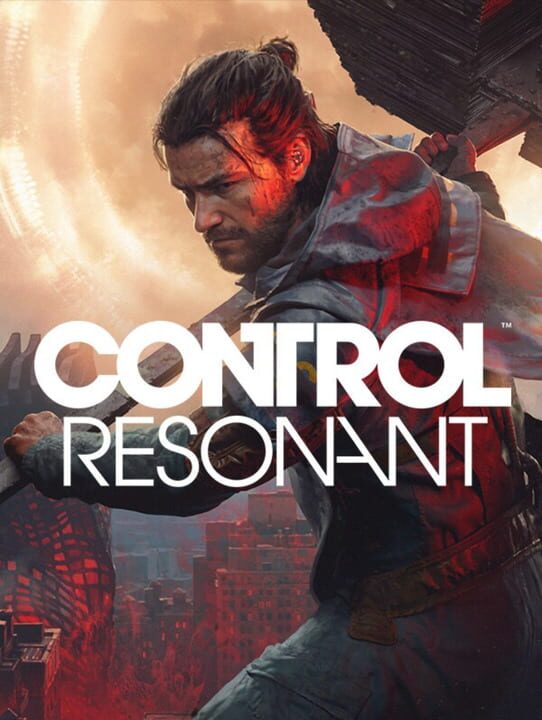
▲ Official Cover Art (Source: IGDB)
Stepping Outside the Bureaucratic Labyrinth of the Oldest House
The original adventure confined Jesse Faden to the shifting, brutalist corridors of the Federal Bureau of Control headquarters, a setting designed specifically to feel like an impossible architectural filing cabinet stuffed with classified anomalies. In contrast, Control Resonant breaks through those concrete boundaries by turning Manhattan itself into an active combat theater and psychological canvas. While the metropolis is currently under siege by anomalous forces, it fundamentally remains a living city with its own civic past rather than a mere holding facility for government secrets.
Instead of constantly referencing the lingering fates of characters like Saga Anderson or Barry Wheeler, the game allows New York to breathe as an autonomous entity. Remedy concept artist Mikko Kinnunen emphasized this direction, explaining that the artistic objective was a timeless aesthetic reminiscent of gritty cinematic portrayals like Taxi Driver rather than modern digital recreations. By minimizing distracting meta commentary, the environment gains authentic weight, establishing an oppressive yet strangely familiar urban atmosphere that intensifies every violent paranatural encounter.
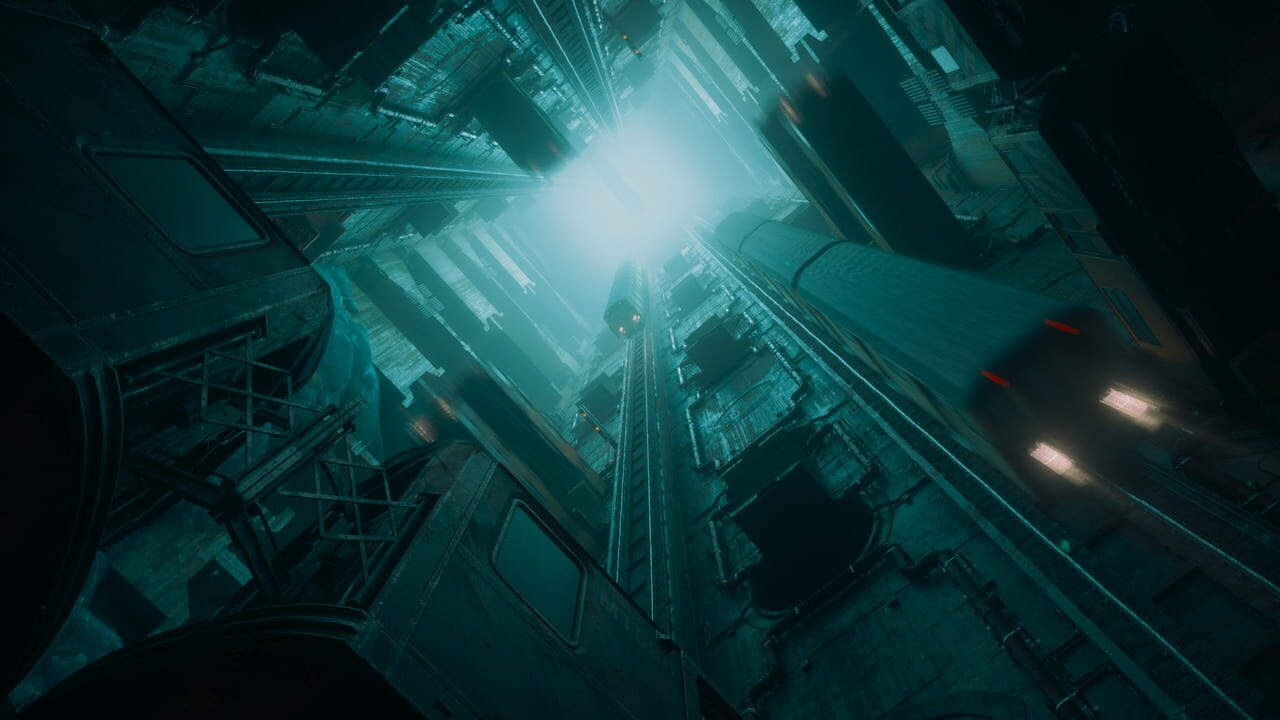
▲ Gameplay & Official Media (Source: IGDB)
Handcrafted Streets and the Rejection of Algorithmic Assets
What immediately stands out when scrutinizing the city blocks of Control Resonant is the deliberate intentionality behind every single storefront, marquee, and subway advertisement. In an industry increasingly flirting with automated asset generation, every billboard and transit poster scattered across the district was authored by human artists with explicit creative intent. This commitment to tangible craft gives each neighborhood a coherent rhythm, ensuring that background visuals actively reinforce the player immersion rather than dissolving into generic filler.
- Developer Likenesses: Real studio team members were captured in an internal casting session to serve as the faces of local gym trainers, restaurant workers, and disgruntled legal clients.
- Studio Companion Animals: The domesticated pets appearing on lost flyers and pet care advertisements belong to the developers themselves, grounding mundane signage in authentic warmth.
- Bespoke Cultural Puns: Establishments like the art gallery Könstig playfully exploit linguistic double meanings, blending authentic urban storefront styling with odd corporate eccentricity.
- Public Bureau Messaging: The Federal Bureau of Control adopts an uneasy civic voice on exterior posters, desperately trying to project corporate normalcy while coming across as chillingly obsolete.
The messaging of the Federal Bureau of Control illustrates this thematic care perfectly. Inside the Oldest House, bureau paperwork was cold, procedural, and designed strictly for indoctrinated field agents. Out in open Manhattan, the bureau must present a public-facing façade, resulting in civilian public service announcements that clumsily mask reality. These notices attempt to sound reassuring while remaining hopelessly detached from modern everyday life, injecting dark humor into Dylan Faden’s desperate urban traversal.
Thematic Friction Across Divided Urban Zones
The environmental design also communicates systemic tension through deliberate visual counterpoints. As Dylan explores starkly contrasting sectors, such as the affluent financial quarter within the Evacuation Zone versus the industrial grime of Central, the surrounding signage reflects societal fractures. Billboards glorifying fossil fuels as the lifeblood of American ambition sit in stark proximity to radical environmental appeals, presenting ideological conflict without breaking narrative immersion.
These contrasts do not function as heavy-handed didactic lectures, but rather as atmospheric texture that defines the psychology of a crumbling metropolis. The mundane details matter precisely because they do not exist solely to telegraph the next paranormal event; they convince the player that Manhattan was an authentic, conflicted community before the paranatural anomaly struck. In doing so, Control Resonant proves that meticulous world-building does not require endless cinematic universe references to deliver an unforgettable atmosphere.
📌 Frequently Asked Questions (FAQ)
Q. Who is the main protagonist of Control Resonant?
A. Control Resonant features Dylan Faden as the playable protagonist navigating a paranaturally threatened Manhattan.
Q. Why does Control Resonant have fewer direct shared universe references?
A. The development team deliberately designed Manhattan to stand on its own as a distinct, timeless character rather than relying heavily on fourth wall breaks and overt universe crossovers.
Q. Were artificial intelligence tools used to generate the city advertisements and signage?
A. No, all in-game posters, storefront signage, and advertisements were handcrafted by artists, frequently featuring real developer portraits and staff pets.
Atmospheric Grounding Over Shared Universe Overload
By shifting away from relentless lore cross-references and focusing on bespoke environmental texture, the visual design avoids narrative exhaustion. Grounding Manhattan in tactile, human-crafted assets elevates the psychological impact of the supernatural threat. Players are drawn into a world that feels genuinely inhabited rather than mathematically assembled, establishing a benchmark for contemporary environmental storytelling in third-person action titles.
Final Pulse Score: ⭐⭐⭐⭐☆