
When players first stepped into the surreal, concrete corridors of the Federal Bureau of Control, kinetic frenzy dictated every second of survival. In contrast, Control Resonant upends those expectations by daring to slow down, contrasting brutal melee encounters with profound, quiet interludes. The chaotic streets of an anomalous Manhattan provide plenty of high-stakes action with the shapeshifting Aberrant, but the title consistently carves out contemplative breathing room that redefines Remedy Entertainment storytelling.
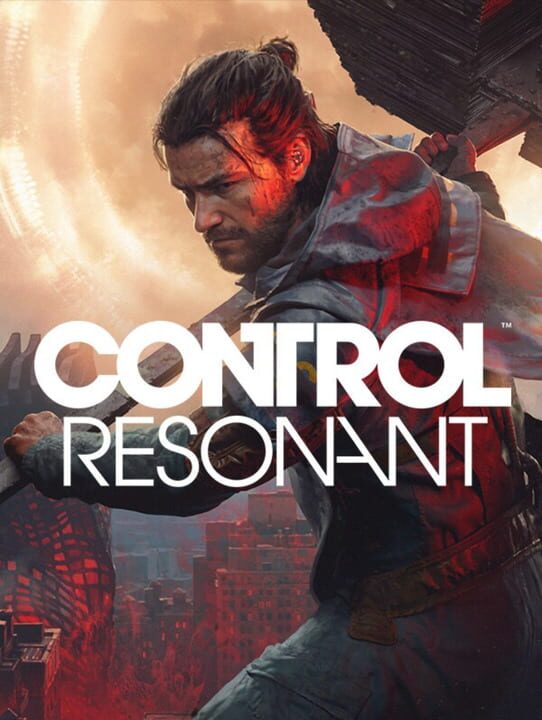
▲ Official Cover Art (Source: IGDB)
A Deliberate Departure From Constant Paranatural Pressure
The original adventure anchored players to Jesse Faden, whose aggressive forward momentum and rapid firearm adaptations mirrored the claustrophobic dread of the Oldest House. In Control Resonant, director Mikael Kasurinen and the development team pivot entirely by altering the fundamental rhythm of world exploration. Rather than tormenting players with ceaseless mob respawns, clearing an infested district genuinely cleanses the area until major narrative shifts occur. This mechanical design choice completely alters player psychology, encouraging long walks through eerie city blocks where ambient sound design takes center stage over combat tension.
By removing constant ambush anxiety, the game allows environmental storytelling to breathe in ways its predecessor never attempted. Dylan steps out into crisp autumn air rather than sterile office lights, experiencing sensory freedom for the first time after decades of confinement. Instead of constantly looking down the sights of the Service Weapon, players explore quiet alleys, interact with stray animals, and absorb the melancholic beauty of a fractured New York. This structural pacing mirrors Dylan himself, highlighting an emotional journey defined by discovery rather than frantic militarism.
The Subversion of the Brooding Antihero Trope
Modern gaming narratives frequently reduce traumatized male protagonists to vengeance-driven archetypes who express pain purely through retribution. Control Resonant explicitly rejects this cliché, crafting Dylan as a parautilitarian who possesses devastating combat capabilities yet instinctively hesitates to treat violence as his default language. Having spent his youth as both a test subject for the FBC and a vessel for the Hiss, his core narrative struggle is not whether he can conquer monstrous entities, but whether he is worthy of existing as a human being.
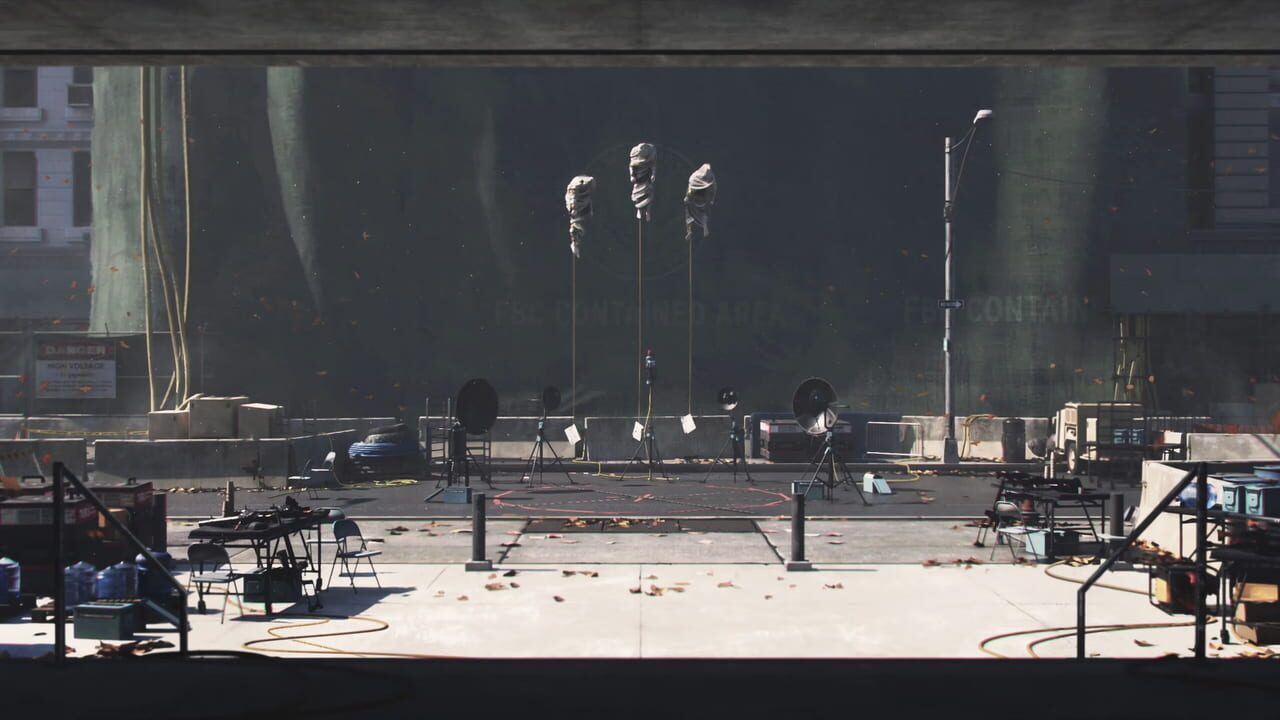
▲ Gameplay & Official Media (Source: IGDB)
This internal friction is reflected in unique downtime mechanics that reward observation over destruction. Throughout the campaign, players stumble across scrap paper where Dylan sketches still-life portraits and wildlife amidst city rubble. One particularly resonant moment features a sketched self-portrait depicting Dylan as an older man peacefully sitting on a bench surrounded by birds. These micro-interactions build an intimate portrait of a protagonist fighting not to punish his past captors, but to earn the right to imagine an ordinary, gentle future.
Atmospheric Isolation and Structural Tension in the Sinkhole
The delicate balance between high-intensity action and haunting introspection reaches its peak during the descent into the Sinkhole. This reality-warping chasm forces players into grueling battles against coagulating Hiss threats across abstract, gravity-defying apartment complexes. Yet immediately after surviving a climactic encounter against a titanic airborne entity at the bottom of the trench, the game snatches away your evacuation bell, leaving you utterly stranded in an alien abyss.
Instead of escalating panic with a countdown timer, Control Resonant allows absolute silence to settle over the strange geometry. Navigation becomes an exercise in personal resolve, soundtracked by faint radio static and distant melodies that highlight the terrifying temporal distortion separating Dylan from the surface world. Here, gameplay isolation reinforces narrative growth: Dylan conquers his internalized helplessness not through explosive rage, but by quietly deciding that his survival is worth fighting for.
Narrative Trade-Offs and the Sidelining of Jesse Faden
While Dylan emotional arc provides a brilliant thematic counterweight to the franchise past, this intense focus on his interiority creates notable friction with returning characters. Jesse Faden, who served as a groundbreaking figure in the original narrative, finds herself largely sidelined and imperiled by reality-altering patterning anomalies. The campaign ultimately culminates in a controversial inversion of sacrifice that forces long-time fans to reckon with sudden shifts in agency between the Faden siblings.
- Interiority Over Momentum: Prioritizes emotional rehabilitation and quiet artistic vignettes over non-stop telekinetic gunplay.
- Persistent Cleansing: Halting enemy respawns transforms cleared zones into atmospheric exploration spaces rather than combat corridors.
- Divergent Protagonist Dynamics: Swapping Jesse proactive urgency for Dylan vulnerable self-reckoning fundamentally changes the franchise emotional core.
📌 Frequently Asked Questions (FAQ)
Q. Who is the main protagonist of Control Resonant?
A. Dylan Faden takes over as the primary playable protagonist, wielding the shapeshifting melee weapon known as the Aberrant.
Q. How does enemy respawning work in Control Resonant compared to the original game?
A. Unlike the original Control, common enemy mobs do not continuously respawn after an area is cleared, allowing players to explore zones in quiet peace until major narrative shifts occur.
Q. What thematic direction did director Mikael Kasurinen choose for Dylan?
A. Director Mikael Kasurinen intentionally avoided making Dylan a brooding revenge-driven hero, focusing instead on his empathy, self-doubt, and search for identity outside past trauma.
Subverting Action Pacing Through Emotional Downtime
Control Resonant proves that high-budget supernatural thrillers do not need continuous enemy pressure to sustain tension. By treating quiet exploration and character vulnerability as primary mechanics rather than brief cutscene breathers, the game expands Remedy Connected Universe into mature thematic territory. It trades relentless momentum for profound emotional weight, demonstrating that true empowerment often lies in quiet contemplation.
Final Pulse Score: ⭐⭐⭐⭐☆
Related Article: Control Resonant Manhattan Environmental Design