
Mass Effect stands at a crossroads as the gaming world looks toward the future of BioWare in April 2026. For many veterans of the original trilogy, the N7 logo represents the pinnacle of choice-driven storytelling and squad-based combat. However, a year and a half after the polarizing release of Dragon Age: The Veilguard, the community is debating a radical notion: Should BioWare stop trying to recapture lightning in a bottle and walk away from its most iconic sci-fi brand? The internal struggle at the studio suggests that the identity that once made the Normandy’s crew legendary has been replaced by a modern design philosophy that many fans feel lacks the grit of the original series.
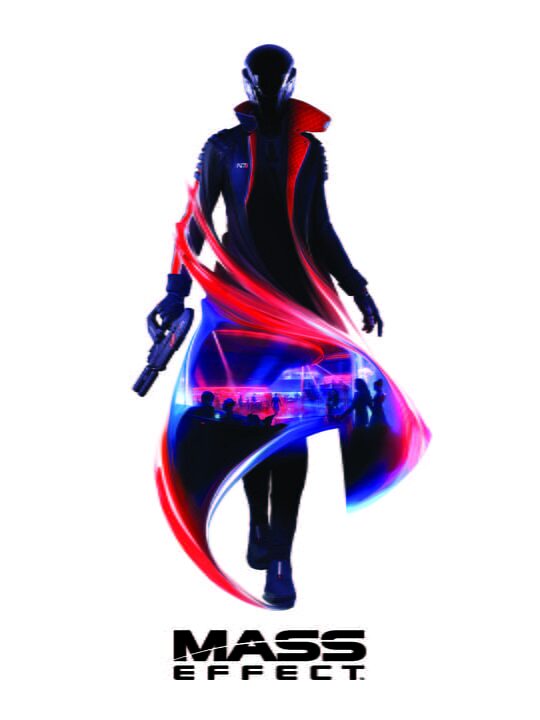
▲ Official Cover Art (Source: IGDB)
| Stat Category | Data Point |
|---|---|
| Game Title | Mass Effect (Untitled Sequel) |
| Current Status | In Development |
| Last Major Release | Dragon Age: The Veilguard (Late 2024) |
| Steam User Rating (DA:V) | Mixed |
| Reported Sales (DA:V) | 1.5 Million (Under Target) |
The Shadow Over the Next Mass Effect
The failure of Dragon Age: The Veilguard to reach its 3-million-copy sales target has cast a long shadow over the upcoming Mass Effect project. While the studio once defined the RPG genre with games like KOTOR and Baldur’s Gate, the recent departure of key veterans, including lead writer Trick Weekes, has left a vacuum of institutional knowledge. The current version of the studio is effectively a new team wearing an old jersey, attempting to mimic a style of game they didn’t originally build. This disconnect was painfully obvious in the lack of post-launch support for The Veilguard, which received only cosmetic DLC before the team was downsized.
Gamers today are looking for depth and systemic complexity, similar to what we saw in the resurgence of isometric RPGs like Baldur’s Gate 3. Instead, BioWare’s recent output has leaned heavily into streamlined action mechanics and cinematic flair that often comes at the expense of meaningful roleplaying. If the next Mass Effect continues this trend toward “Marvel-fied” dialogue and simplified skill trees, it risks alienating the hardcore audience that kept the franchise alive through the long decade of silence following the Reaper war.
▲ Official Artwork (Source: IGDB)
Why Mass Effect Cannot Survive Without Shepard
History has shown that this franchise struggles when it attempts to move beyond the shadow of Commander Shepard. Andromeda tried to introduce a new hero and a new galaxy, but it suffered from a dip in writing quality and technical hurdles with the Frostbite engine. The core of the Mass Effect experience is the emotional weight of leadership and the consequences of impossible choices. Without a clear vision for a new protagonist that can match the gravitas of the original trilogy, the sequel feels less like a necessary story and more like a brand exercise demanded by a publisher seeking a safe bet.
There is also the technical reality to consider. The shift in talent means that the developers currently at BioWare have spent the last few years pivoting between live-service models and single-player RPGs. This lack of a stable creative North Star is dangerous for a series as narratively dense as Mass Effect. If the studio wants to survive, it may need to abandon these massive, high-budget sequels and return to smaller, experimental RPGs that allow them to rediscover their creative spark without the crushing pressure of multi-million-copy sales expectations.
Pulse Gaming Perspective: The Mass Effect paradox requires a total reboot of studio culture.
BioWare’s survival depends on innovation, not nostalgia. If the next game is just a hollow imitation of 2012’s greatness, it will be the final nail in the coffin for the studio. We need a return to deep systems and challenging narratives, even if that means leaving the Milky Way behind for good.
Ultimately, the industry has moved on while BioWare has remained stuck in a cycle of trying to please everyone and satisfying no one. Authoritative sources like Metacritic reflect a divided player base that is no longer willing to give the studio a pass based on past glories. The gameplay loop needs to evolve past the cover-shooter basics that have stayed largely stagnant for over a decade. If the developers cannot find a way to make the galaxy feel dangerous and reactive again, then perhaps the best thing for the legacy of the franchise is to let it rest.
about the evolution of sci-fi RPGs and the mechanics that define the genre in 2026.
Final Pulse Score: 4.5 / 10