
When players think of subterranean depth in Dwarf Fortress, their minds immediately conjure images of magma seas, sprawling cavern networks, and precious veins of adamantine. Yet the relentless simulation engine crafted by Bay 12 Games continues to evolve in unexpected, visceral directions. During development discussions on the official Bay 12 forums, co-creator Tarn Adams outlined plans for a gruesome new underground environment: the meat biome. This grotesque subterranean ecosystem promises to turn traditional excavation into a descent through anatomical horror, giving subterranean expeditions a terrifying new dimension.
▲ Official Cover Art (Source: IGDB)
The Architecture of Living Terrain
Rather than tunneling exclusively through granite, obsidian, or limestone, fortress miners will soon encounter strata composed entirely of living anatomical tissue. Adams confirmed that this underground biome will feature terrain sculpted out of dense muscle, calcified bone, towering vertebral walls, sinewy scaffolding, and responsive sphincters. This creates an unsettling atmosphere that naturally matches the notoriously meticulous bodily injury mechanics that Dwarf Fortress has perfected over decades of active development.
From an operational standpoint, this visceral landscape alters standard resource gathering and cavern logistics in meaningful ways:
- Organic Resource Harvesting: Expedition crews will be able to actively mine through fleshy terrain, extracting anatomical resources directly from the cave walls rather than relying solely on surface livestock or hunting.
- Structural Tissue Composition: Tunnels dug through bone and vertebral pillars offer strange architectural options, forcing overseers to evaluate the structural integrity of biological walls.
- Absence of Flora and Blood Rivers: While full fluid overhauls remain slated for later phases, preventing flowing rivers of cosmic blood or spinal taps, the landscape will eschew organic meat trees in favor of dense, porous tissue.
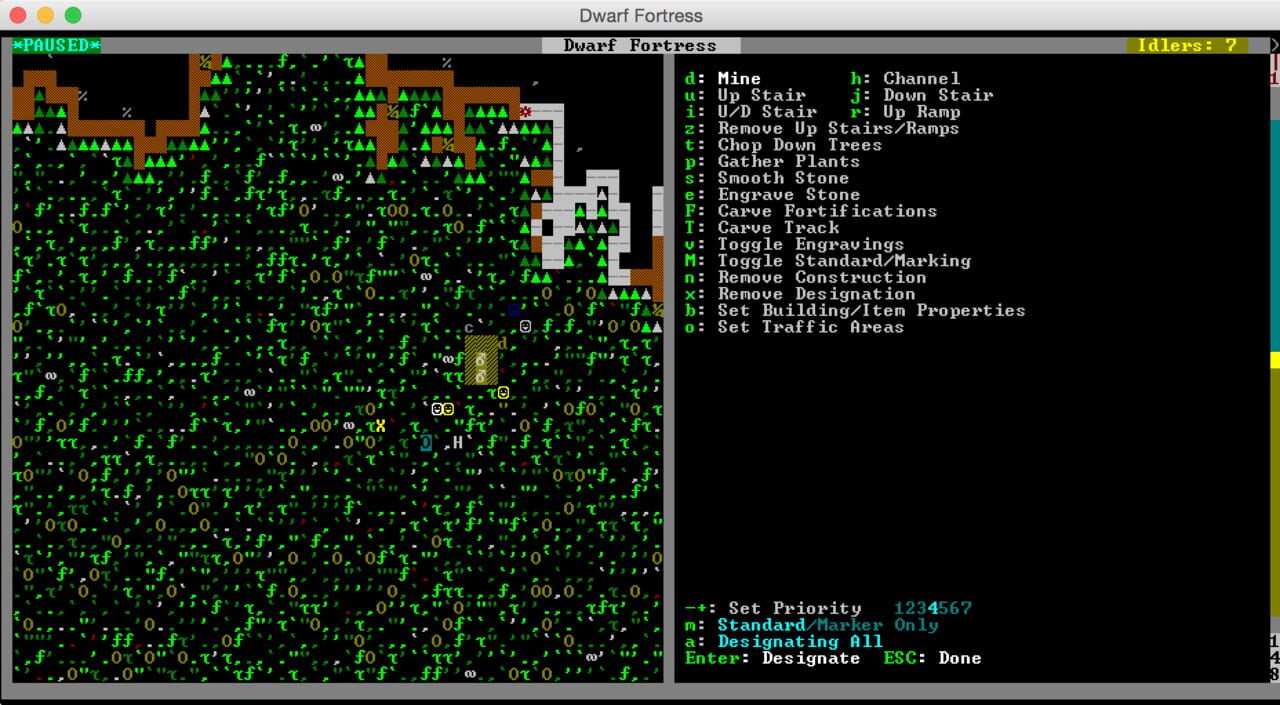
▲ Gameplay & Official Media (Source: IGDB)
Mechanics, Necromancy, and Biological Hazards
One of the earliest concerns voiced by veteran players is whether these sprawling stretches of flesh could be brought to life by rogue necromancers or evil regional weather phenomena. Under current game logic, raw environmental meat terrain cannot be reanimated into shambling undead, ensuring that an entire cavern sector will not suddenly coalesce into a colossal, fortress-crushing abomination. However, the sheer physical reality of excavating through biological tissue introduces fresh environmental friction that could alter dwarf morale and hygiene.
Excavating subterranean meat biomes represents a fundamental test for management priorities. Overseers must manage the psychological toll of forcing skilled craftsdwarfs to chop through quivering walls of muscle while fending off native cavern fauna adapted to biological nesting grounds. Even without animated zombie meat, the presence of these subterranean anomalies provides fertile ground for procedural horror.
Broader Horizons: Crystal Biomes and Cosmological Magic
The introduction of fleshy caverns is only one piece of an expansive developmental road map. Alongside this visceral underworld, work continues on an opposing crystal biome designed to offer radiant, prismatic subterranean vistas that carry their own lethal environmental complications. Together, these geological layers expand procedural generation far beyond conventional mining archetypes, challenging seasoned overseers to rethink tunnel networks and defensible fortress layouts.
| Feature | Development Detail |
| Biome Location | Deep Underground Cavern Layers |
| Terrain Composition | Muscle, Bone, Sinew, Vertebral Walls, Sphincters |
| Resource Extraction | Directly Minable Meat and Biological Matter |
| Reanimation State | Inert Terrain (Not Animatable by Necromancy) |
| Parallel Cavern Biomes | Upcoming Prismatic Crystal Biome |
These environmental additions arrive in tandem with comprehensive reworks to the overarching magic system in Dwarf Fortress. The broader arcane update focuses on procedural cosmologies, detailing how arcane rituals and metaphysical principles are categorized, passed down across civilizations, or lost to catastrophic fortress collapses. Nestled within this vast cosmological framework, carving out a subterranean sanctuary from living bone feels less like an anomaly and more like an essential frontier for ambitious fortress overseers.
📌 Frequently Asked Questions (FAQ)
Q. What is the new meat biome in Dwarf Fortress?
A. The meat biome is an upcoming underground environment featuring terrain made of muscle, bone, vertebral walls, sinew, and sphincters.
Q. Can the meat terrain in Dwarf Fortress be reanimated by necromancers?
A. According to developer Tarn Adams, standard meat terrain cannot currently be animated or resurrected by necromantic forces.
Q. Can players mine the meat biome for resources?
A. Yes, players will be able to excavate and mine the meat terrain directly to gather biological materials and resources.
Flesh and Stone: Expanding Procedural Discovery
The addition of biological subterranean biomes demonstrates how Dwarf Fortress continuously pushes the boundaries of organic world simulation. By treating living tissue as minable substrate rather than static decorative backdrops, the game bridges the gap between high-level procedural generation and granular survival mechanics. Overseers will need to adapt their logistical chains and dwarf psychological maintenance to thrive inside these deeply unconventional cavern layers.
Final Pulse Score: ⭐⭐⭐⭐⭐