
Redfall continues to haunt the hard drives of many PC gamers as a reminder of what happens when a pedigree studio is pushed outside its comfort zone.
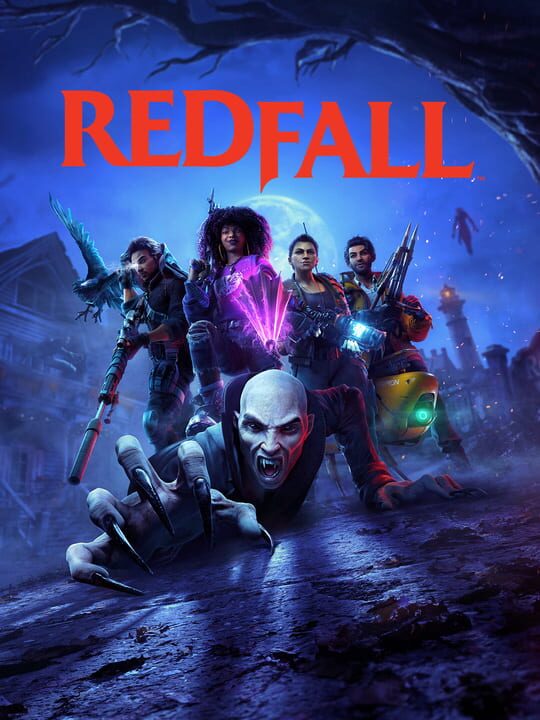
▲ Official Cover Art (Source: IGDB)
Looking back at the title through the lens of April 2026, the 1.4 update remains the definitive, and final, version of the experience. While the studio behind it, Arkane Austin, was unfortunately shuttered by Microsoft shortly after this patch, the changes introduced were intended to provide a glimpse into the game’s original vision. This post-mortem analysis examines whether the final tweaks managed to elevate the gameplay beyond its rocky 2023 launch.
| Feature | Details |
|---|---|
| Game Title | Redfall |
| Final Patch Version | 1.4 |
| Core Mechanics Added | Community Standing System, Offline Mode |
| Developer Status | Arkane Austin (Closed) |
Redfall and the Community Standing System
The most substantial addition in the final update was the Community Standing system, a secondary skill tree that fundamentally altered how players interacted with the environment. Unlike the standard character progression, this system rewarded players for performing humanitarian acts within the town. By rescuing survivors, securing Safe Houses, and completing specific neighborhood missions, players unlocked tiers of upgrades that offered tangible benefits.
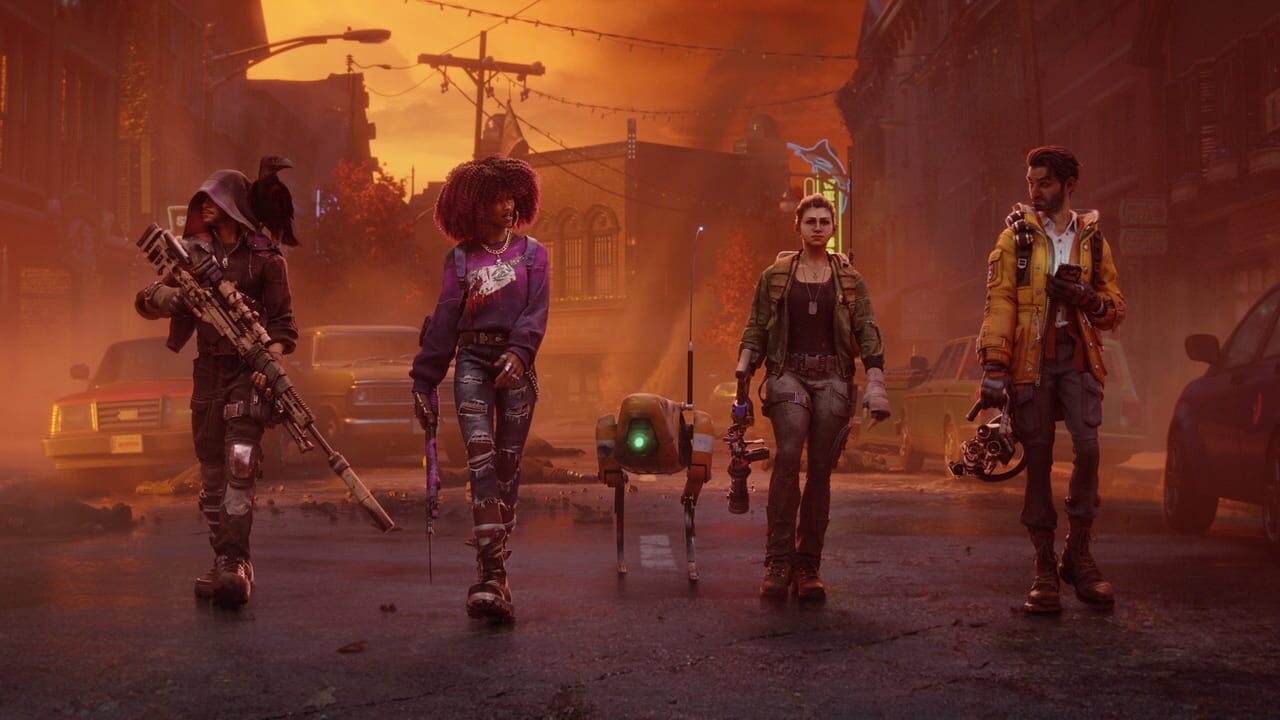
▲ Official Artwork (Source: IGDB)
These perks ranged from improved ammo storage to high-level abilities like temporary cloaking and even self-revival, which significantly eased the friction of solo play.
This system was clearly designed to address the “lifeless” complaints leveled against the game at launch. It forced a deeper engagement with the world of Redfall, incentivizing players to explore every redbrick corner and clapboard suburb. However, while the motivation to explore increased, the actual activities remained largely repetitive. Securing a Safe House in 2026 feels much like it did in 2023, though the rewards now provide a slightly better feedback loop for the player’s time investment.
The Mechanics of Shooting and AI
Despite the various bug fixes and AI adjustments, the core combat in Redfall remains a point of contention. The 1.4 update attempted to make cultists and Bellweather mercenaries more reactive, yet they still lack the tactical depth seen in Arkane’s previous immersive sims like Prey or Dishonored. Blasting through enemies rarely feels satisfying, as hit reactions remain floaty and the weapon variety, while functionally diverse, lacks the punch expected from a modern looter-shooter.
Vampire encounters are still the highlight of the combat loop. Using stake launchers and UV cannons provides a unique flavor that distinguishes the game from its peers. However, these encounters are often spaced too far apart, leaving the player to deal with dull human enemies that do little to challenge the skills unlocked via the Community Standing tree. The patch fixed the “shoddiness” to a degree, but it couldn’t reinvent the underlying math of the gunplay.
Narrative Disconnect and Character Framing
One of the more subtle issues that persisted through the final update is the narrative delivery. Redfall relies heavily on environmental storytelling through notes and diaries, a staple of the immersive sim genre. In a co-op environment, however, this method fails. It is nearly impossible to appreciate the lore of the town when teammates are jumping around or triggering the next objective. The decision to frame most playable characters as outsiders also backfired, as they lack the personal connection to the town that would have allowed for more organic, in-the-moment storytelling.
Pulse Gaming Perspective: The Ghost of Redfall’s Potential
The 1.4 update proves that with another year of development, this could have been a cult classic. The Community Standing system shows a glimmer of Arkane’s brilliance in systems design, but it arrived too late to save a studio that was already facing the corporate guillotine.
Ultimately, the final state of the game is a bittersweet one. The technical foundations are finally stable, and the world-building shines through the autumnal New England atmosphere. It is a game that captures the “paradoxically idyllic” nature of its setting perfectly, yet fails to populate that beauty with a compelling enough reason to stay long-term. If you are looking for a atmospheric vampire hunt with a few friends, the game is finally in a playable state, but the lack of future support means the world will always feel somewhat unfinished. For those interested in the evolution of this title, before the last lights go out in the town.
For a detailed breakdown of the technical changes, you can visit the official patch notes coverage on PC Gamer.
Final Pulse Score: 5.5 / 10