
Video games often find their purpose defined by escapism, mechanical mastery, or casual camaraderie, yet digital lobbies occasionally intersect with reality in profound and life-altering ways. A chilling real-world incident reached a hopeful conclusion when a missing seventeen-year-old Utah teenager was successfully rescued from captivity after reaching out to a fellow player inside Among Us. The social deduction sensation, renowned across the gaming community for deceptive gameplay and high-stakes voting meetings, unexpectedly served as a functional communication conduit during an extreme personal crisis.

▲ Official Cover Art (Source: IGDB)
The 521 Day Ordeal and a Restricted Digital Window
The harrowing situation began in May 2025 when the teenager, then fifteen years old, vanished from her Utah home after being contacted over social media by thirty-nine-year-old Adam Harmel. Authorities revealed that Harmel lured the youth into his vehicle, crossed state lines into Oregon, and disposed of her mobile device to sever all contact with her family and law enforcement. For 521 days, the young victim remained trapped inside a residential basement, enduring escalating hostility while completely isolated from standard cellular networks and emergency services.
Her avenue toward liberation opened only when her captor permitted access to a secondary mobile phone stripped of standard cellular data capabilities. While conventional voice calls and SMS were completely blocked, the device retained active Wi-Fi functionality, permitting access to lightweight online applications. Rather than resigning to isolation, the victim utilized this narrow digital opening to enter multiplayer lobbies, ultimately launching Among Us to broadcast distress signals across its interactive player network.
How Innersloth Social Deduction Mechanics Facilitated Escape
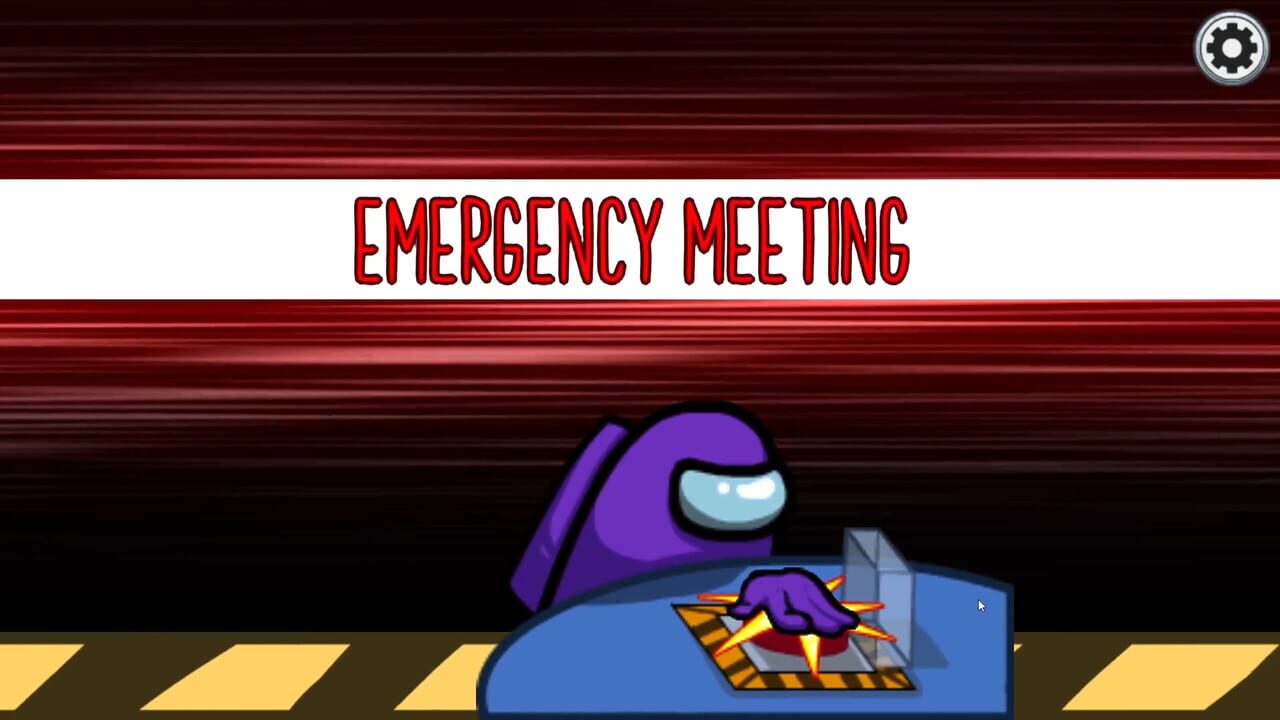
Originally deployed across mobile devices by developer Innersloth in 2018, Among Us relies fundamentally on player-to-player discourse to identify ship saboteurs and complete cooperative tasks. That inherent communication framework provided the captive teenager an immediate platform to initiate contact with another minor inside the game. Recognizing the severity of the situation, the two players carefully transitioned their dialogue to an auxiliary social platform to exchange critical identifying information and verify coordinates without alerting the captor.
The teenager relayed her genuine identity alongside fears that public search efforts had ceased after nearly a year and a half of silence. Demonstrating exceptional maturity, the young recipient immediately alerted their mother, who subsequently escalated the tip directly to federal investigators. Following an urgent investigative video conference that verified the victim presence at Harmel property, law enforcement mobilized and executed a successful rescue operation on November 1, 2026. Harmel was promptly apprehended and charged with interstate transport of a minor with intent to exploit.
▲ Gameplay & Official Media (Source: IGDB)
Cross Platform Connectivity as an Unintended Safety Net
The remarkable rescue highlights the understated importance of low-barrier multiplayer ecosystems across contemporary gaming culture. Where modern AAA titles demand immense hardware resources and high-speed broadband, lightweight titles maintain cross-platform accessibility across virtually any internet-capable hardware. In moments of extreme vulnerability, gaming software transforms from casual entertainment into vital communication infrastructure.
- Low Hardware Barriers: The lightweight design of Among Us ensures functional lobby access on older, de-provisioned mobile hardware running purely on basic Wi-Fi signals.
- Decentralized Social Interaction: Open lobby systems allow players to connect across geographic boundaries without pre-existing contact lists or phone numbers.
- Empowered Youth Communities: The swift decision-making of the child who received the distress signal proves that multiplayer networks foster genuine human empathy and protective instincts.
While industry discourse frequently scrutinizes safety parameters within gaming lobbies, this rescue proves that social infrastructure within gaming spaces can provide an indispensable lifeline. The mechanics that make social deduction compelling—careful observation, strategic trust, and real-time dialogue—converged to break a captive isolation that standard law enforcement tracking could not pierce for over five hundred days.
📌 Frequently Asked Questions (FAQ)
Q. How was Among Us used to facilitate the rescue?
A. The captive teenager used a Wi-Fi enabled phone lacking cellular service to log into Among Us, where she communicated her plight to another player who alerted their parent and federal authorities.
Q. When did the rescue of the Utah teenager take place?
A. Law enforcement rescued the teenager on November 1, 2026, after receiving actionable intelligence from the FBI.
Q. Who developed Among Us and when was it originally released?
A. Among Us was developed by indie studio Innersloth and originally launched on mobile devices in 2018.
Subtle Mechanics and Real World Impact
Social deduction titles thrive on open communication protocols that transcend simple competitive gameplay. When restricted devices strip standard telecommunication channels, peer-to-peer and lobby-based networking environments serve as resilient digital bridges. The incident underscores how multiplayer infrastructure inherently functions as community safety networks in unforeseen emergencies.
Final Pulse Score: ⭐⭐⭐⭐⭐