
In a saturated year brimming with life simulation experiences, standing out requires more than just charming animal neighbors and repetitive chore loops. HoYoverse is stepping into the genre with Petit Planet, a vibrant project that wears its direct inspiration on its sleeve while steadily evolving familiar genre conventions. Built upon the unmistakable blueprint popularized by modern island-settler sims, the experience transports players from simple deserted islands to untamed celestial bodies. Rather than presenting a shallow imitation, early hands-on impressions reveal an experience elevated by meticulous visual details, dynamic terrain expansion, and genuinely interactive community systems.

▲ Official Cover Art (Source: IGDB)
Reimagining Deserted Living Under Loomi Co.
Your journey begins under the corporate guidance of Loomi Co., which sends players to develop an uninhabited planet alongside a canine supervisor named Mobai. Longtime fans will instantly recognize the tongue-in-cheek parallels to classic debt-driven introductions, right down to Mobai poking fun at predatory mortgages before demanding upfront capital for your domestic expansion. The early routine in Petit Planet offers comforting familiarity: shaking native fruit trees, angling for local fish, catching critters with nets, and contributing specimens to the central Eco House research facility. Yet, beneath this recognizable exterior lies a distinct sense of tactile interaction. Collecting tidal creatures with specialized tongs, such as carefully timing approaches to dislodge skittish hermit crabs, introduces micro-mechanics that demand active engagement rather than passive button-pressing.
Progression takes a radical departure from genre norms through Luca, the ancient tree situated at the heart of your celestial home. Unlike stationary town monuments, watering Luca by completing daily tasks dynamically terraforms your entire habitat. Incremental growth stages alter the planet itself, coaxing wild flora to bloom before eventually carving out active rivers and sweeping ocean fronts. This steady expansion transforms standard slice-of-life chores into vital terraforming initiatives, giving players a cohesive overarching purpose that feels far more grand than simply paying down property debts.
Character Chemistry and Expressive World Crafting
Populating your terrain with animal residents in Petit Planet moves away from RNG-based island hopping in favor of narrative-driven recruitment. Potential villagers arrive as narrative visitors who require dedicated multi-stage introductory quests before agreeing to settle permanently. Once they move in, your interactions feed directly into dedicated relationship meters reminiscent of character-driven social simulators. Learning personal backstories, exchanging curated gifts, and fulfilling specific favors actively reward players, granting clear mechanical incentives to foster an authentic neighborhood culture.
- Dynamic Planetary Terraforming: Nurturing the central tree Luca reshapes regional biomes, unlocking new water bodies, terrain heights, and exploration zones.
- Functional Blueprints: Constructing pre-designed setups like seaside cinemas triggers active gathering events where residents genuinely interact with the environment.
- Rich Seasonal Variations: Winter alters natural landscapes while physically layering snow across outdoor player-placed furniture.
- Tactile Animation Details: Characters realistically press down on shovels with their feet and push chairs back into place upon standing.
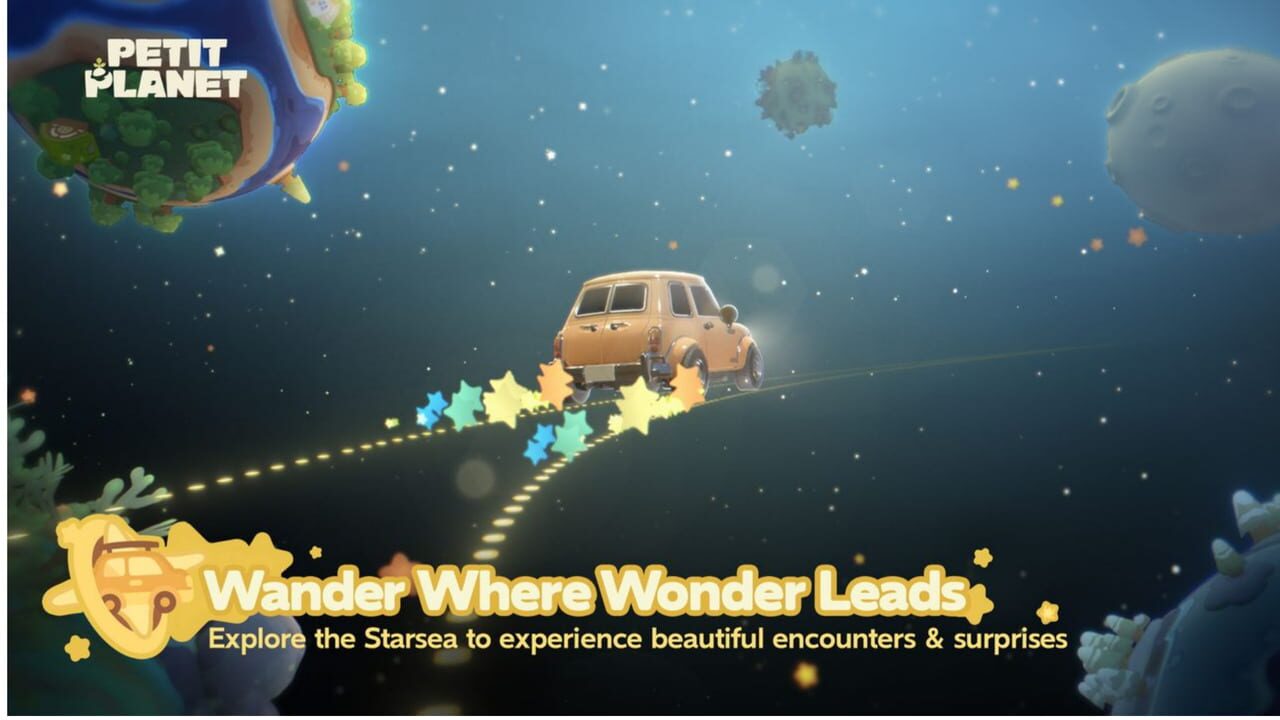
▲ Gameplay & Official Media (Source: IGDB)
The Endless Canvas of Celestial Customization
Customization serves as a massive pillar for long-term player retention. With a massive repository containing over 1,000 complimentary furniture and apparel items, Petit Planet grants expansive creative freedom across both domestic interiors and broad outdoor districts. Players can fashion authentic urban strips complete with bus stops and vending machines, or tap into East Asian aesthetics with ornate garden ponds adapted into functional open-air baths. Crucially, the Blueprint system ensures that creative arrangements do not remain static background art. Placing specific configurations triggers spontaneous community gatherings, such as neighbors assembling with popcorn to enjoy an outdoor cinema screen on the beach.
Seasonal immersion further demonstrates the visual ambitions driving the project. During the winter period, outdoor furnishings accumulate realistic layers of fresh powder, turning developed residential zones into authentic winter wonderlands. Shoveling drifts yields seasonal resources like snowflakes to craft holiday sleds and snowmonsters, occasionally unearthing buried relics beneath the drifts. Even simple winter diversions feature unexpected depth; rolling massive snowmen sits alongside a manual third-person targeting system for hurling snowballs, highlighting a willingness to borrow satisfying mechanics across disparate genres.
Performance Expectations and Platform Rollout
The PC build demonstrates exceptional presentation standards, bolstered by full voice acting and expressive character gestures that make snapshot modes deeply rewarding. A version running on Nintendo Switch 2 was also demonstrated, exhibiting minor framerate hitches and dialed-back visual assets consistent with an active work-in-progress build. With the mobile and PC editions targeting a coordinated launch on December 4, 2026, the Nintendo Switch 2 release is slated to arrive with extra polish in 2027.
Pros and Cons Breakdown
- Pros: Exquisite attention to small animations, dynamic world-shaping progression via tree cultivation, over 1,000 accessible cosmetic pieces, and highly interactive villagers.
- Cons: Initial progression systems heavily mirror genre staples, social meters run the risk of becoming transactional checklists, and console performance needs optimization before 2027.
📌 Frequently Asked Questions (FAQ)
Q. When does Petit Planet officially release on PC and mobile platforms?
A. The PC and mobile versions of Petit Planet are scheduled to release globally on December 4, 2026.
Q. When will the Nintendo Switch 2 version of Petit Planet become available?
A. The Nintendo Switch 2 version is set to launch following additional development optimization in 2027.
Q. How does world expansion work in Petit Planet compared to classic life sims?
A. Instead of static islands or towns, player activities earn water to nurture a central tree named Luca, which progressively terraforms the planet by generating new rivers, oceans, and landmasses.
A Polished Contender Navigating Established Genre Giants
While skeptics will inevitably point out the surface-level structural mirrors to classic island simulators, HoYoverse has previously proven its ability to iterate beyond initial inspirations. By replacing static island layouts with an actively terraformed living sphere and implementing functional community blueprints, Petit Planet addresses long-standing genre complaints regarding lifeless decorative environments. Success will ultimately hinge on ensuring daily relationship errands feel organically social rather than a monotonous daily checklist, but the visual craftsmanship and deep mechanical foundations suggest a major genre shakeup.
Final Pulse Score: ⭐⭐⭐⭐☆