
In an unexpected shift driven directly by enduring community feedback, Overwatch is officially reintroducing the classic 2-2-2 team composition to its competitive ecosystem. The transition away from the original six-player format to a faster five-player structure previously redefined the pacing, role responsibilities, and overall tank dynamics. However, persistent demand from long-time enthusiasts has prompted Blizzard to reconsider the format, creating a multi-queue competitive landscape that seeks to honor veteran preferences without discarding modern adaptations.
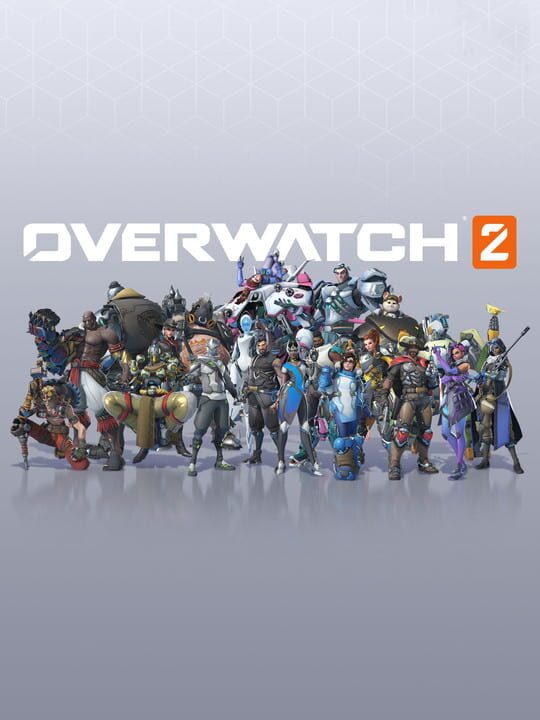
▲ Official Cover Art (Source: IGDB)
A Parallel Competitive Structure Arrives in Season 6
Beginning December 8, 2026, Season 6 will introduce a dedicated 6v6 role queue trial directly within the competitive suite. This initiative does not replace existing ladders but instead runs alongside the standard 5v5 role queue and 6v6 open queue. By maintaining all formats simultaneously, the development team avoids alienating players who prefer the individual agency of solo-tank setups while granting traditionalists the coordinated tank-synergy gameplay they have long campaigned for.
The test is slated to operate as a four-week mini-season, functioning as an empirical evaluation period to measure player retention, matchmaking health, and server stability. Running a parallel queue structure in a competitive hero shooter presents immediate logistical risks, particularly regarding queue times and MMR distribution across different modes. Overwatch developers have openly recognized these matchmaking hurdles and plan to deploy specialized matchmaking algorithms alongside Season 6 to mitigate prolonged queue bottlenecks.
| Competitive Queue Mode | Format Details and Availability |
|---|---|
| Standard 5v5 Role Queue | Permanent core competitive format with solo-tank composition |
| Role Queue 6v6 Test | Four-week trial mini-season launching December 8, 2026 |
| Open Queue 6v6 | Flexible composition ladder operating without role locks |
| Matchmaking System | Updated queue-balancing algorithms shipping with Season 6 |

▲ Gameplay & Official Media (Source: IGDB)
Tactical Implications for the Tank Meta and Team Synergy
From a gameplay perspective, returning to two tanks per team completely alters engagement pacing and resource economy. The solo-tank paradigm placed enormous pressure on individual frontline players, where a single positioning mistake or crowd-control sequence could instantly decide a team fight. Reintroducing an off-tank relieves that acute burden, allowing players to coordinate defensive peel, manage spatial control, and deploy complementary abilities such as barrier rotation and dive synergy.
- Tank Synergy Restoration: Classic pairings can once again distribute frontline responsibilities, protecting the backline while maintaining forward objective pressure.
- Cooldown and Resource Management: Support characters will need to manage healing outputs across an additional high-health target, reshaping support priority and ultimate generation rates.
- DPS Positioning Freedom: Damage heroes will encounter layered defensive barriers, requiring sharper flanking maneuvers and synchronized focus fire to secure opening eliminations.
- Queue Time Distribution: The demand for two tanks per squad historically extended queue times for damage and support players, making matchmaking efficiency the core factor in this test.
Bridging the Generational Divide in Competitive Play
The contemporary player base of Overwatch is functionally split between two distinct eras. Veterans who played through years of 2-2-2 remember the deep tactical coordination and deliberate tempo of classic matches. Conversely, players who joined after the shift to 5v5 have developed their mechanics around high-octane duels, open map lanes, and rapid skirmishes where individual mechanical outplays yield immediate team wipes. Balancing these opposing expectations within a single client poses a delicate design challenge.
If the Season 6 trial demonstrates stable player numbers without cannibalizing the core 5v5 ladder, Blizzard could establish a permanent dual-track framework for competitive Overwatch. However, splitting the matchmaking pool across three separate ranked ladders introduces inherent risks to match quality at both low and high skill tiers. How effectively the Season 6 algorithm prevents queue degradation will likely determine whether 6v6 role queue transitions from a temporary experiment into a permanent pillar of the competitive circuit.
📌 Frequently Asked Questions (FAQ)
Q. When does the 6v6 role queue test begin in Overwatch?
A. The 6v6 role queue test begins on December 8, 2026, alongside the launch of Season 6.
Q. Will standard 5v5 competitive play be removed?
A. No, standard 5v5 role queue and 6v6 open queue will remain fully available alongside the new 6v6 role queue test.
Q. How long will the 6v6 role queue competitive mini-season run?
A. The competitive 6v6 role queue mini-season is scheduled to run for the first four weeks of Season 6.
Balancing Dual Metas Without Fracturing the Competitive Ecosystem
The four-week 6v6 role queue trial is a pragmatic response to community persistence, but its long-term viability hinges strictly on matchmaking balance. Supporting both 5v5 and 6v6 role queues demands distinct hero balancing passes, as tank sustain designed for solo play can easily break dual-tank compositions. If Blizzard manages queue efficiency and tunes hero values for dual formats, this hybrid approach could set a new benchmark for accommodating generational shifts in competitive gaming.
Final Pulse Score: ⭐⭐⭐⭐☆