
A defining transition is underway behind the scenes of grand strategy, as the helm of the studio responsible for historic dynasties and political intrigue changes hands. Fredrik Wester has officially announced plans to step aside on January 4th, elevating deputy executive Mattias Lilja to lead the publisher responsible for Crusader Kings. For map-staring enthusiasts and tacticians, this shift represents far more than an office shuffle. It signals an overdue pivot back to deep, functional simulations, refining complex mechanical balance, and addressing the mounting community fatigue surrounding fragmented post-launch monetization models.
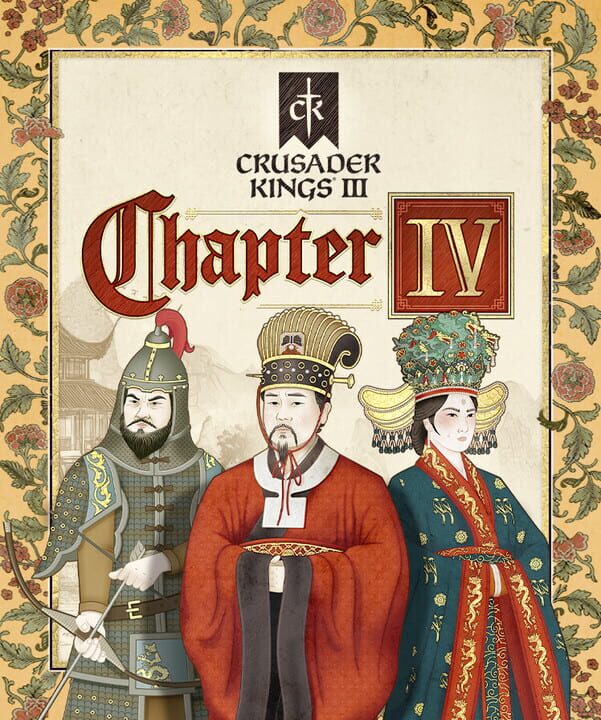
▲ Official Cover Art (Source: IGDB)
Refocusing on Core Grand Strategy Systems
Over the past several years, grand strategy fans have experienced an uneven cadence of ambitious launches and frustrating missteps. While flagship franchises have sustained massive communities, systemic quality has frequently collided with launch instability and bloat. The internal mandate outlined for this transition emphasizes redoubling investments into pure simulation design, ensuring foundational mechanics function seamlessly before expanding scope. Hardcore tacticians who dedicate hundreds of hours to medieval stewardship expect deep AI decision-making and polished interaction webs rather than shallow, cosmetic add-ons.
The creative reassessment arrives at a crucial moment for Crusader Kings veterans. Recent expansions have introduced varied roleplay layers, yet core historical balance and ruler progression systems still require rigorous mechanical tuning. Lilja, who originally stepped into the organization as a game producer over a decade ago, steps up with direct operational familiarity with developer pipelines. That hands-on production background could bridge the growing divide between executive ambition and what players actually experience across sprawling campaign maps.
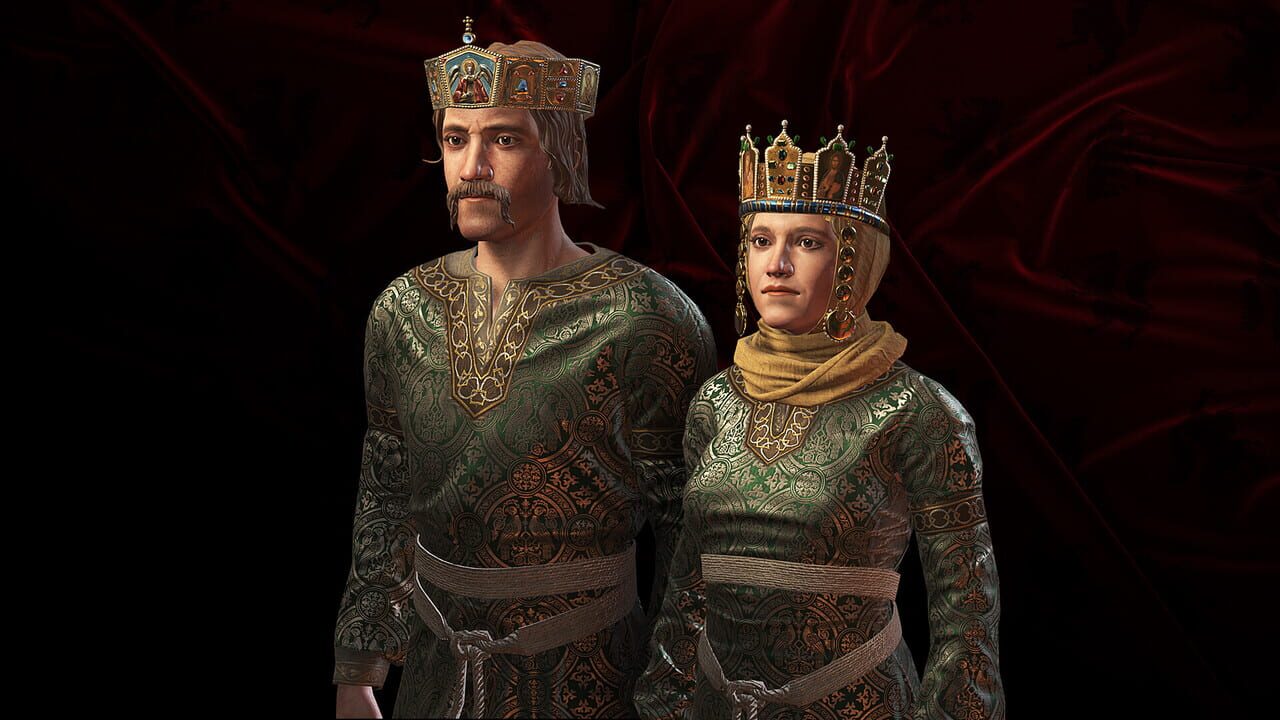
▲ Gameplay & Official Media (Source: IGDB)
Modding Tools and Player Ecosystem Upgrades
One of the most consequential commitments tied to this new chapter is a direct promise to enhance player toolsets and community modding infrastructure. Total conversion mods and community balance overhauls represent the lifeblood of long-term retention across historical sandbox titles. When engine updates break script compatibility without warning, communities fracture. Prioritizing native tools and streamlined scripting frameworks will directly protect player investments and ensure vibrant community sandboxes continue thriving alongside official balance updates.
Key structural priorities outlined for upcoming development cycles include:
- Engine Stability and Pipeline Revisions: Minimizing late-game campaign performance drops across high-density character databases and large troop movements.
- Expanded Modding Documentation: Delivering robust scripting utilities that empower creator communities without compromising baseline game stability.
- Gameplay Over Sprawl: Concentrating resources on foundational mechanics rather than spreading design talent thin across divergent genres.
- Community Co-Design Loops: Integrating public telemetry and beta feedback earlier to prevent systemic balance flaws prior to official release dates.
Recalibrating DLC Value and Player Expectations
The relationship between dedicated strategists and expansion roadmaps has grown increasingly tense across the genre. While the depth of Crusader Kings remains peerless in historical character-driven warfare, the pricing structure and scope of post-launch DLC packs have ignited fierce debates over value retention. Strategic gamers are vocal about wanting meaningful mechanics, robust peacetime administration, and challenging tactical AI rather than micro-transactions or incremental cosmetic packs that dilute the gameplay loop.
| Transition Date | January 4th Leadership Handover |
| Incoming Lead | Mattias Lilja |
| Outgoing Lead | Fredrik Wester Remaining on Board |
| Strategic Focus | Core Simulation Mechanics and Player Value |
| Infrastructure Priority | Modding Utilities and Community Tools |
With experimental genre offshoots being reeled in or dismantled across the broader production stable, development teams are being guided back toward what they master best. Dedicated fans of Crusader Kings can anticipate a stricter filter on release quality, ensuring that every new system enhances mechanical depth rather than adding unnecessary cognitive friction to dynasty management.
📌 Frequently Asked Questions (FAQ)
Q. When does the leadership change take effect for the Crusader Kings publisher?
A. Mattias Lilja will officially take over leadership duties on January 4th, with outgoing lead Fredrik Wester transitioning to a board advisory role.
Q. How will this transition impact Crusader Kings gameplay and development?
A. The incoming leadership has committed to focusing resources back on core strategy design, engine stability, and deeper gameplay systems while curbing scattered experimental projects.
Q. What specific improvements are planned for community modders?
A. The development teams are prioritizing better tools, enriched scripting services, and enhanced modding infrastructure to ensure player-created overhauls remain stable across major patches.
Strategic Sovereignty Returns to the Drawing Board
By transitioning a veteran producer into the top administrative seat, the creative philosophy pivots from speculative genre experiments back to core tactical simulations. If this leadership change delivers on upgraded modding infrastructure and reined-in expansion bloat, players will enjoy vastly more stable late-game performance and deeper mechanical autonomy across their historical campaigns.
Final Pulse Score: ⭐⭐⭐⭐☆