
Physical cartridge collecting is experiencing an electrifying resurgence across the gaming landscape, and leading the charge is a historic triumph on Nintendo Switch 2. The Legend of Zelda Ocarina of Time Remake has officially emerged as the fastest-selling physical release in the United States this year, shattering benchmarks by pushing past one million boxed copies in its opening week alone. This staggering debut establishes the title as the single best-selling physical launch since the arrival of Tears of the Kingdom back in 2023, proving that dedicated cartridge preservation and tactile ownership still command unparalleled loyalty among console enthusiasts.
▲ Official Cover Art (Source: IGDB)
Historic Boxed Momentum on Modern Hardware
Surpassing the one million physical copy mark during an era dominated by storefront downloads represents an extraordinary commercial feat. Cumulative retail tracking confirms that no single release throughout the year had managed to match in twelve months what Link’s revived journey secured within its first seven days on store shelves. When combined with global digital storefront data, Nintendo confirmed that The Legend of Zelda Ocarina of Time Remake amassed an overwhelming 5.2 million units sold worldwide across its initial four days on the market.
This unprecedented retail velocity illustrates the profound emotional and functional attachment players maintain toward tangible media on the Switch 2 platform. Unlike competing ecosystems that are steadily deprecating physical media drives or transitioning to plastic cases containing digital paper vouchers, the convenience of a plug-and-play game card holds immense value for collectors and families alike. The sheer volume of boxed purchases demonstrates that high-profile adventure titles still possess the gravitational pull necessary to pack retail outlets at midnight launches.
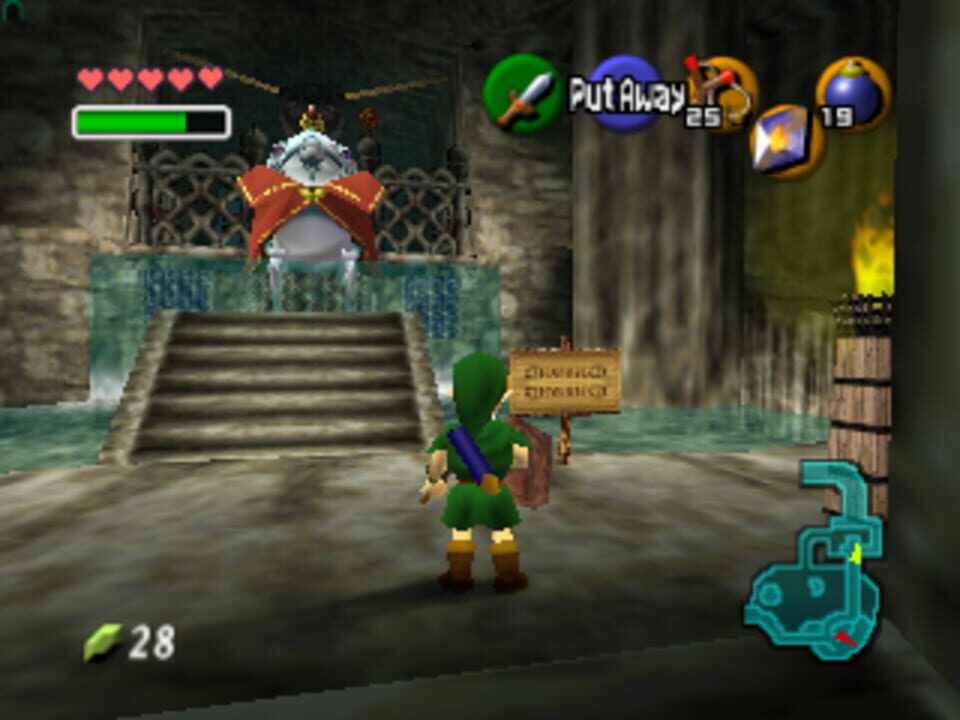
▲ Gameplay & Official Media (Source: IGDB)
Thoughtful Modernization Over Destructive Reinvention
The runaway success behind The Legend of Zelda Ocarina of Time Remake stems directly from its meticulous design philosophy. Rather than dismantling the foundational geometry or altering the cadence of Kakariko Village and the Sacred Realm, the development team opted for precision updates that modernize navigation, camera tracking, and inventory cycling without stripping away the spirit of the 1998 masterpiece. Core mechanical hurdles, such as the notorious friction of swapping the Iron Boots within the Water Temple, have been streamlined into immediate d-pad assignments, creating an effortless tactile rhythm during dungeon traversal.
- Seamless Equipment Management: Instant toggles for essential quest items and specialty boots remove tedious menu pausing completely.
- Preserved Geometric Layouts: Dungeon puzzles and navigational challenges retain their exacting architectural logic while benefiting from advanced environmental lighting and fluid framerates.
- Enhanced Spatial Feedback: Refined targeting lock-ons and modernized third-person camera controls prevent perspective clipping during frantic boss encounters with Volvagia and Phantom Ganon.
- Audiovisual Elegance: Fully orchestrated arrangements breathe dynamic acoustic depth into classic melodies while respecting Koji Kondo original compositions.
The Looming Physical Showdown Against Digital Shifts
While the commercial launch of The Legend of Zelda Ocarina of Time Remake stands uncontested at the retail summit, the market faces an imminent dynamic shift with the impending launch of Grand Theft Auto 6. Heavy speculation surrounds how physical tracking metrics will evolve, particularly because boxed editions of the blockbuster crime epic are structured around digital download codes inside the case rather than traditional pressed optical discs. While tracking standards recognize these retail packages under physical sales, consumer appetite for code-in-box purchases remains heavily scrutinized.
The divergence highlights contrasting platform philosophies that directly affect gamer collections. Nintendo players invested heavily in physical cartridges for The Legend of Zelda Ocarina of Time Remake precisely because the full build exists directly on the medium, insulated from server sunsetting and secondary download bottlenecks. The upcoming release window will test whether discless retail shells can match the raw enthusiasm generated by genuine plug-and-play preservation, or if purist cartridge ownership remains the definitive standard for breaking seven-figure launch milestones.
📌 Frequently Asked Questions (FAQ)
Q. How many physical copies did The Legend of Zelda Ocarina of Time Remake sell in its US launch week?
A. The remake sold more than one million physical copies in the United States during its first week on sale, making it the best-selling physical release in the US this year.
Q. What are the total worldwide sales for the remake across all formats?
A. Nintendo officially announced that the game achieved 5.2 million units sold globally across physical and digital formats in its first four days.
Q. When was the last time a game sold one million physical copies in its US debut week?
A. The last game to reach one million physical copies sold in a US launch week was The Legend of Zelda Tears of the Kingdom in 2023.
The Enduring Power of Tangible Game Preservation
Breaking one million physical sales in seven days signals far more than pure nostalgia for a legendary franchise. It proves that the core gaming public actively rewards platform holders who respect tangible ownership, complete cartridge builds, and friction-free mechanical updates. As modern storefronts drift toward discless plastic cases and temporary digital licenses, genuine physical media retains unmatched collectible and functional superiority.
Final Pulse Score: ⭐⭐⭐⭐⭐
Related Article: Zelda Ocarina of Time Remake Metacritic Score Analysis
Related Article: Zelda Ocarina of Time Remake Richard Dog Fate Guide