
When the original Doom tore through PC screens in the early nineties, game development was an uphill war against brutal hardware constraints, custom engines written in assembly, and the sheer logistical nightmare of physical diskette distribution. Decades later, the barrier to entry has evaporated completely, giving anyone with a laptop the power to package and publish a title worldwide. Yet, according to industry icon John Romero, that unprecedented freedom comes at a staggering cost to overall game quality, transforming digital storefronts into flooded minefields where standout gameplay mechanics matter more than ever before.
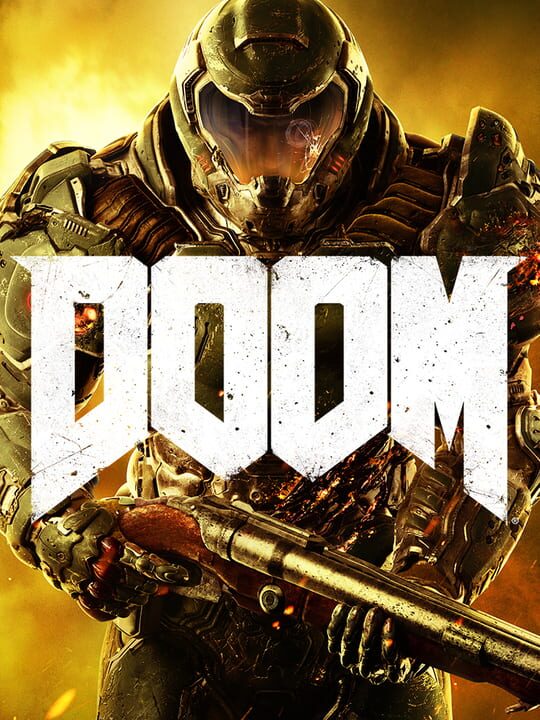
▲ Official Cover Art (Source: IGDB)
The Shift From Physical Scarcity to Digital Saturation
Reflecting on the pioneering era of early first-person shooters, Romero pointed out that getting a game onto store shelves was once akin to crossing into another universe. Teams relied on shareware releases, grassroots mail-order discs, and relentless publisher pitching just to secure shelf space in retail outlets. Back then, financial backing was scarce because the industry was significantly smaller, which inherently limited the volume of software hitting the market and forced studios to refine tight, memorable gameplay loops to justify their existence.
Today, modern storefront ecosystems have flipped that equation entirely on its head. With accessible game engines, modular software development kits, and immediate cloud distribution across platforms like Steam and mobile app hubs, anyone can deploy a project with minimal financial friction. However, Romero emphasizes that this low barrier has unleashed an unprecedented volume of low-quality clutter, especially across mobile ecosystems where countless asset flips and automatically assembled games appear daily without human craftsmanship behind them.

▲ Gameplay & Official Media (Source: IGDB)
Why Pure Level and Systems Design Dictates Survival
The rampant influx of automated content means that surface-level visuals and basic genre tropes are no longer enough to catch a gamer attention. Romero argues that modern creators must double down on core design fundamentals, echoing the timeless precision that originally defined Doom, Wolfenstein 3D, and Quake. Tight movement tuning, intuitive weapon balance, readable encounter design, and deliberate spatial flow are the only elements capable of piercing through the noise of algorithmically generated digital waste.
- Engine Accessibility vs. Execution: Modern toolsets make prototyping instantaneous, but raw tools cannot compensate for sloppy balance or weak feedback loops.
- Storefront Visibility Realities: Shouting into social media voids yields minimal traction without genuine player-to-player word of mouth driven by exceptional gameplay.
- Community Validation: Enrolling in digital indie showcases and actively soliciting hands-on feedback remains the most reliable path to organic community discovery.
For independent developers struggling to build an audience from scratch, the veteran designer stresses that relying purely on automated social algorithms is a losing strategy. When gamers genuinely fall in love with how a character moves, how a weapon impacts a target, or how a level reveals its secrets, they naturally become the primary ambassadors for the experience. In a marketplace drowning in disposable software, razor-sharp gameplay mechanics remain the single definitive defense against complete obscurity.
📌 Frequently Asked Questions (FAQ)
Q. What did John Romero highlight regarding modern game development tools?
A. Romero praised how accessible modern engines, frameworks, and SDKs have made game creation for aspiring developers, while warning that accessibility has also resulted in massive storefronts overflowing with low-quality, automated releases.
Q. Why does Romero believe game design is more critical today than ever before?
A. Because digital storefronts are saturated with thousands of releases, games must feature exceptional core design, responsive mechanics, and engaging loops to generate genuine word of mouth among players.
Q. What advice did the Doom co-creator share for indie developers seeking visibility?
A. He advised creators to network heavily, enter indie gaming festivals, and focus entirely on making an undeniably fun game that players will actively recommend to their friends.
Core Gameplay Integrity Over Storefront Convenience
The democratization of development engines has solved the technical barrier of game creation while inadvertently creating a discovery crisis. As digital storefronts become crowded with automated templates, player tolerance for mediocre gameplay continues to plummet. Studios that prioritize tactile mechanics, deep systemic balance, and refined level pacing will consistently rise above storefront algorithms, proving that design discipline remains irreplaceable.
Final Pulse Score: ⭐⭐⭐⭐☆