
Killer Instinct developer Iron Galaxy has once again sent shockwaves through the fighting game community by announcing a significant reduction in its workforce. This move comes just over a year after the studio implemented what it previously described as last resort measures in 2025 to ensure long-term survival. For players who rely on the studio’s technical prowess and unique approach to frame data and combat mechanics, this second wave of downsizing raises urgent questions about the sustainability of their current and future projects.
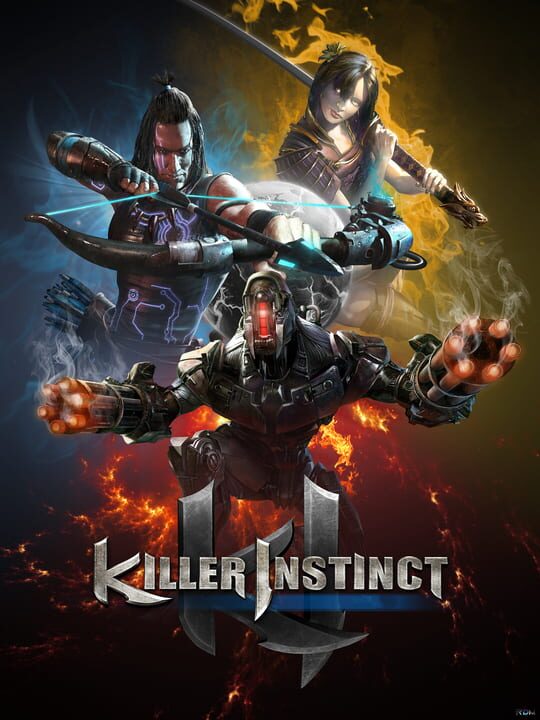
▲ Official Cover Art (Source: IGDB)
| Game Title | Studio Role | Current Status |
|---|---|---|
| Killer Instinct (Seasons 2 & 3) | Lead Developer | Legacy Support / Maintenance |
| Rumbleverse | Original Creator | Sunset / Offline |
| Tony Hawk’s Pro Skater 3 + 4 | Remaster Work | Released |
The Technical Cost of Structural Downsizing
When a studio like Iron Galaxy reduces its headcount, the immediate concern for the hardcore gamer isn’t the corporate balance sheet, but the loss of specialized talent that maintains the delicate balance of competitive titles. These layoffs are a direct response to a gaming industry climate that the studio now views as permanent rather than a temporary slump. After years of waiting for the market to return to the growth seen in 2020, the leadership has opted for a leaner structure, which often means fewer resources for high-frequency patch cycles and experimental gameplay features. For fans of Killer Instinct, the concern is that the deep technical knowledge required to maintain a decade-old engine may be walking out the door.
The studio emphasized that it was impossible to sustain the team size they had carried over the past year, even following the 66-person cut in 2025. This suggests that the current market conditions have forced a pivot away from growth-oriented development toward a pure survivalist stance. This strategy shift could lead to a focus on smaller, less risky projects or a reliance on work-for-hire contracts for larger publishers, potentially stalling the development of original IP that challenges existing metas.
Killer Instinct Legacy and the Departure of Community Icons
One of the most visible losses in this latest round of cuts is David Dague, known to many as Deej. After joining Iron Galaxy in 2020 following a long tenure at Bungie, Dague served as a bridge between the development team and the player base. His departure signals a potential thinning of the studio’s communication infrastructure, which is vital for maintaining player trust in live-service environments. Without veteran community leads, the feedback loop between top-tier competitive players and the developers often suffers, leading to slower responses to exploit discoveries or balance issues.

▲ Official Artwork (Source: IGDB)
Furthermore, the Killer Instinct community has been on high alert since March when the studio teased fans with images reminiscent of Fallout: New Vegas. While Iron Galaxy later clarified that the slide was merely a standard meeting graphic with no connection to a remaster project, the sensitivity of the fans highlights the hunger for new content. With fewer hands on deck, the likelihood of a major new entry in the Killer Instinct franchise or a massive overhaul of existing netcode seems increasingly remote. The studio’s current priority is clearly adaptation over expansion.
The Reality of Market Adaptation
The studio’s message on LinkedIn was clear: they are adopting a new posture to accept current market conditions as permanent. For the end-user, this means the era of “infinite growth” that led to massive team sizes and sprawling projects is being replaced by a more disciplined, albeit restrictive, development cycle. We are seeing a trend where even the most respected technical studios must shed weight to remain operational, often sacrificing the very community-facing roles that build long-term brand loyalty. If this posture becomes the industry standard, players can expect fewer surprise content drops and a more transactional relationship with upcoming titles.
For those interested in the broader context of these industry shifts, you can read the full report on the layoff details at PC Gamer. As Iron Galaxy evolves, the gaming community will be watching closely to see if they can maintain their reputation for high-quality combat design with a significantly smaller roster. The next few months will be critical in determining whether the studio can still deliver the precision engineering that Killer Instinct fans have come to expect.
Pulse Gaming Perspective: A Leaner Killer Instinct Era Begins
The second wave of layoffs at Iron Galaxy proves that even ‘last resort’ measures in 2025 weren’t enough to combat the current industry stagnation. For players, this means the technical support for titles like Killer Instinct will likely move into a maintenance-only phase, as the studio prioritizes survival over innovation. We are witnessing the death of the mid-sized studio ambition in real-time.
Final Pulse Score: 4.5 / 10