
Heroes of Might & Magic: Olden Era stands as a pivotal moment for the legendary strategy RPG franchise, marking its first major return in over a decade. As we approach the official Steam Early Access launch on April 30, 2026, the community is buzzing with the prospect of returning to Enroth, the beloved setting of the first three titles. This reboot, developed by Unfrozen and supported by a collaboration between Ubisoft and Hooded Horse, brings the series creator Jon Van Caneghem back into the fold to ensure the DNA of the original classics remains intact.
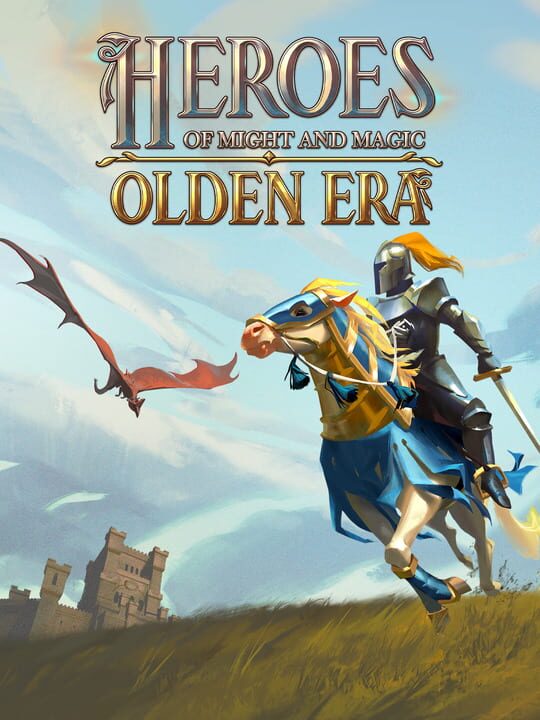
▲ Official Cover Art (Source: IGDB)
For those who grew up on the turn-based brilliance of the 90s, the revival of this series is more than just a nostalgia trip; it is an attempt to reclaim a genre that has seen few modern competitors. The game captures that quintessential loop of exploration, resource gathering, and tactical grid-based combat that defined the golden age of PC gaming. While it introduces modern refinements, the core remains a dense mixture of RPG character growth and macro-level city management.
| Feature | Details |
|---|---|
| Game Title | Heroes of Might & Magic: Olden Era |
| Developer | Unfrozen |
| Release Date | April 30, 2026 (Early Access) |
| Setting | Enroth |
| Key Publishers | Ubisoft / Hooded Horse |
The Return to Classic Enroth Strategy
The map design in Heroes of Might & Magic: Olden Era is an intentional homage to the treasure-map aesthetics of the past. Players navigate their heroes through a dense, bustling world filled with woodlands, deserts, and mountain ranges, all while collecting piles of gold and gems to fund their growing empires. Every shrine, camp, and windmill feels alive with minute details, such as dragons circling ruins or golems working at hillside forges, providing a sensory experience that feels both classic and refreshed.
Managing movement points remains the primary strategic hurdle on the world map. Players must decide whether to chase down fleeing monsters for experience or double back to a recently captured city to bolster their retinue with fresh recruits. The city management aspect, while familiar, can feel somewhat tedious when controlling multiple settlements, as players often find themselves repeating the same upgrade paths across different urban hubs.
Tactical Depth in Heroes of Might & Magic: Olden Era
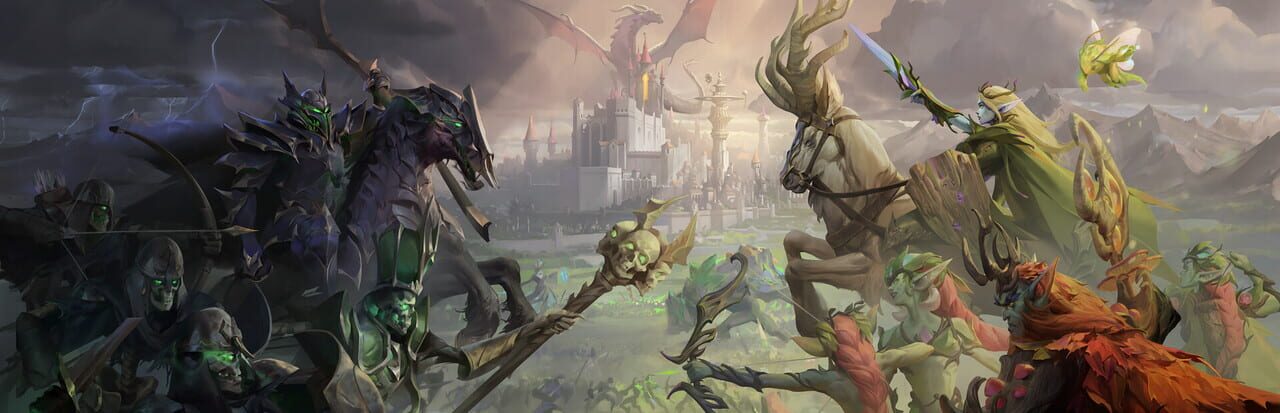
▲ Official Artwork (Source: IGDB)
Combat is where the game truly reveals its complexity, though it may appear deceptively simple at first glance. Battles occur on a hex-based grid where unit stacks engage in a dance of swords, magic, and positioning. One of the most critical mechanics is the Wait button, which allows high-initiative units to delay their turn. This tactical manipulation allows players to bait out an enemy’s single counter-attack with a durable unit before following up with fragile, high-damage infiltrators.
Mastering Unit Synergies and Hero Spells
The role of the hero on the sidelines cannot be understated, as they provide game-changing buffs and direct magic attacks using focus points. For instance, players can utilize a Cleric hero to boost unit stats based on knowledge or a Knight to punish enemy mages by increasing their spell costs. These nuances, such as range damage drop-off and charge bonuses for mounted units, require players to dig deep into unit descriptions to maximize their efficiency on the battlefield.
Upgrading units also adds a layer of depth that keeps the meta interesting. Certain evolutions, like griffons that can counter-attack indefinitely, transform them into effective aerial tanks. During siege battles, players might find themselves teleporting kamikaze cavalry over walls while catapults batter the gates, creating a dynamic combat environment that rewards creative thinking over simple numerical superiority.
Campaign vs. Scenario Play
The narrative campaign offers a polished introduction to the lore, featuring charismatic voice acting and high-quality character art. Players following the story of Gunnar and his minotaur guard will find a smoother learning curve than those jumping straight into isolated scenarios. In scenarios, such as the one featuring the necromancer queen Feuneralla, the lack of immediate guidance on unique skills like Raising Undead can lead to a frustrating experience where units are slowly whittled away.
Despite some UI clunkiness and a steep learning curve for newcomers, the game fills a significant void in the modern strategy landscape. According to a detailed Rock Paper Shotgun analysis, the project successfully captures the spirit of the originals while offering a fresh start for the franchise. The focus on specific hero builds and tactical turn manipulation ensures that veterans will find the depth they crave.
Pulse Gaming Perspective: Heroes of Might & Magic: Olden Era is a mechanically sound tribute that prioritizes tactical depth over modern hand-holding.
The decision to return to Enroth is a masterstroke for fan engagement, but the UI needs significant refinement before the final release. If Unfrozen can streamline the city management ‘busywork,’ this could easily become the new standard for the strategy RPG genre.
As we look forward to the full launch, it is clear that the developers have a solid foundation. While it may not yet be a perfect ten, the return of this venerable series is a win for strategy enthusiasts everywhere. for the latest updates and tactical guides.
Final Pulse Score: 6.5 / 10