
MindsEye is currently at the center of a firestorm that goes far beyond typical developer-community friction. As of April 22, 2026, the studio behind the ambitious title, Build a Rocket Boy (BARB), is facing intense legal scrutiny from the Game Workers branch of the Independent Workers’ Union of Great Britain (IWGB). This action stems from allegations that management installed invasive surveillance software on employee machines, potentially recording workers in their homes without consent. For players, this development raises massive red flags about the stability and future support of the game’s ecosystem.
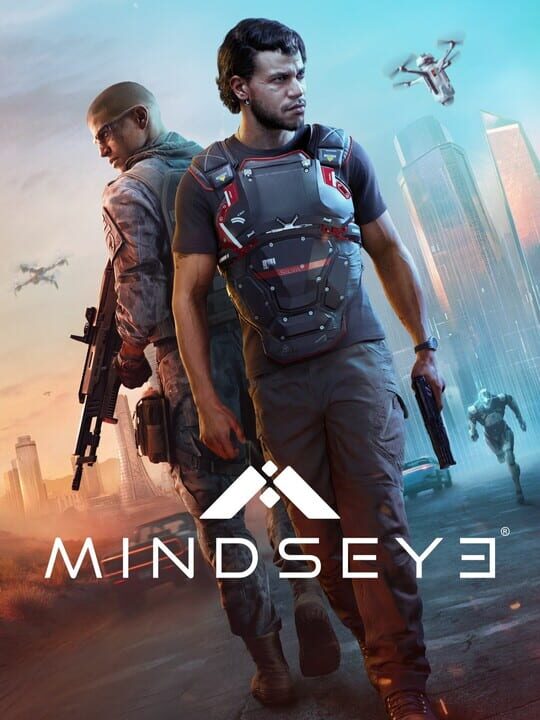
▲ Official Cover Art (Source: IGDB)
| Game Title | Developer | Key Allegation | Game Status |
|---|---|---|---|
| MindsEye | Build a Rocket Boy | Illegal Employee Surveillance | Released / Flawed |
The Impact of the MindsEye Surveillance Scandal on Development
The core of the legal dispute involves a software package called Teramind, which was reportedly installed on developer PCs without their knowledge. According to reports, this software was only discovered when staff noticed their systems were lagging—a direct technical debt that likely impacted the optimization of the game itself. The union alleges that the software tracked keystrokes, screen activity, and even captured microphone audio, creating a culture of paranoia that directly conflicts with the creative freedom required for a high-tier project like MindsEye.
While the software was reportedly removed in March 2026 after a collective grievance, the studio has refused to disclose the nature of the data collected. This lack of transparency mirrors the current state of the game: a project shrouded in grand promises but struggling with basic execution. For the players, the fallout is visible in the final product, which many have described as a glitchy, incoherent experience that lacks a singular design vision.
▲ Official Artwork (Source: IGDB)
MindsEye: Sabotage or Systemic Mismanagement?
The leadership at Build a Rocket Boy, including industry veteran Leslie Benzies, has claimed that the game’s rocky reception was the result of organized espionage and corporate sabotage. These are heavy claims that are currently being investigated by authorities in both the US and the UK. However, the workforce tells a much more grounded and frustrating story of mismanagement, crunch, and a lack of clear direction. When a studio spends more time monitoring its employees than refining its game mechanics, the end-user is the one who suffers the most.
From a gameplay perspective, MindsEye feels like a collection of brilliant ideas that never quite fused together. The lack of a firm “no” to Benzies’ sprawling ideas has resulted in a game that is entertaining but fundamentally broken in several key areas. The recent layoffs of hundreds of employees only further complicate the studio’s ability to patch the game into a stable state, leaving the current player base in a state of limbo regarding future content updates.
Privacy Rights and the Future of Game Dev
The IWGB’s legal action is a landmark moment for the industry, emphasizing that the games industry is not the wild west anymore. According to the official IWGB statement, the use of surveillance software exceeded any legitimate remit for monitoring productivity. This focus on control over collaboration is a primary reason why the technical polish of the game has fallen short of modern standards.
Players who have invested in the MindsEye experience are now looking at a studio divided by legal battles and internal distrust. If the developers cannot trust their own workstations, it is difficult for the community to trust that the game will receive the long-term support it needs. The meta-narrative surrounding the studio is now more compelling—and more tragic—than the story within the game itself.
Pulse Gaming Perspective: The MindsEye controversy proves that toxic studio culture always leaks into the final code.
When management prioritizes surveillance over stability, the resulting game is inevitably a fractured mess. MindsEye is a cautionary tale of how legendary leadership can fail when it loses the trust of the boots on the ground, leaving players with a buggy, albeit fascinating, digital relic.
Despite the updates pushed since launch, the lack of direction and clarity continues to haunt the experience. It remains a fundamentally flawed title that serves as a grim reminder of the human cost of game development. We will continue to monitor the legal proceedings as they unfold toward the end of April 2026.
Final Pulse Score: 4.5 / 10