
Fallout: New Vegas stands as a titan of the CRPG genre, representing a pivotal era where narrative depth and player agency took center stage over cinematic hand-holding. While fans have spent over a decade clamoring for a sequel or a similar collaboration, recent revelations from the development trenches suggest the relationship between Bethesda and Obsidian Entertainment was far more strained than the public realized. According to veteran writer Chris Avellone, the friction wasn’t just about missed Metacritic bonuses; it involved literal presentations detailing the studio’s perceived failures.
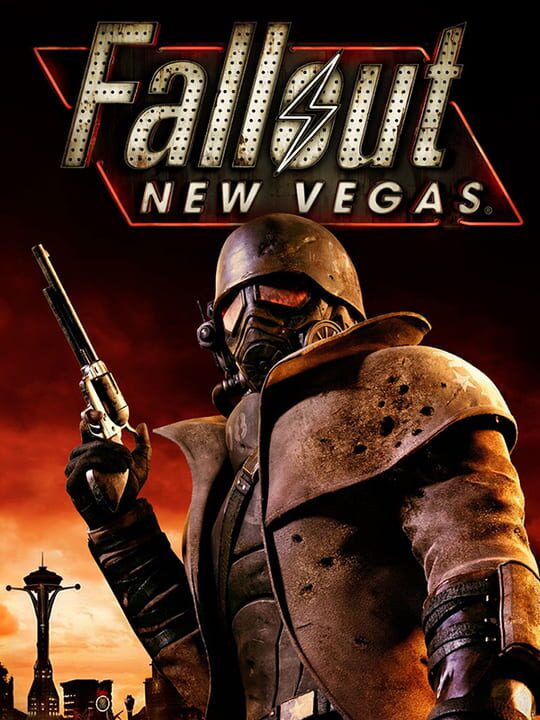
▲ Official Cover Art (Source: IGDB)
| Feature | Details |
|---|---|
| Game Title | Fallout: New Vegas |
| Lead Developer | Obsidian Entertainment |
| Original Release | October 19, 2010 |
| Key Insight Source | Chris Avellone (TKs-Mantis Interview) |
The PowerPoint of Friction: How Bethesda Viewed the Fallout: New Vegas Legacy
In a recent interview with the YouTube channel TKs-Mantis, Chris Avellone detailed a surreal corporate encounter where Bethesda management reportedly made the Obsidian team sit through a comprehensive PowerPoint presentation. This wasn’t a celebratory look at the game’s unique quest branching or its beloved faction system. Instead, it was a meticulous breakdown of everything Bethesda believed Obsidian did wrong during the development of Fallout: New Vegas. Avellone described the experience as a massive blow to studio morale, especially considering the game had successfully kept the franchise in the cultural zeitgeist while Bethesda was busy with other projects.
The core of the dispute seems to have centered on how different the DLC experiences, specifically Dead Money, were from the base game. Dead Money is infamous among the community for its survival-horror shift, stripping players of their high-tier gear and forcing them to navigate a lethal, toxic environment. While many hardcore fans now view this as a brilliant subversion of the power fantasy, Bethesda allegedly used the polarized review scores of these expansions as a justification to move away from the partnership. This focus on numerical feedback over creative experimentation remains a sore spot for the developers involved.
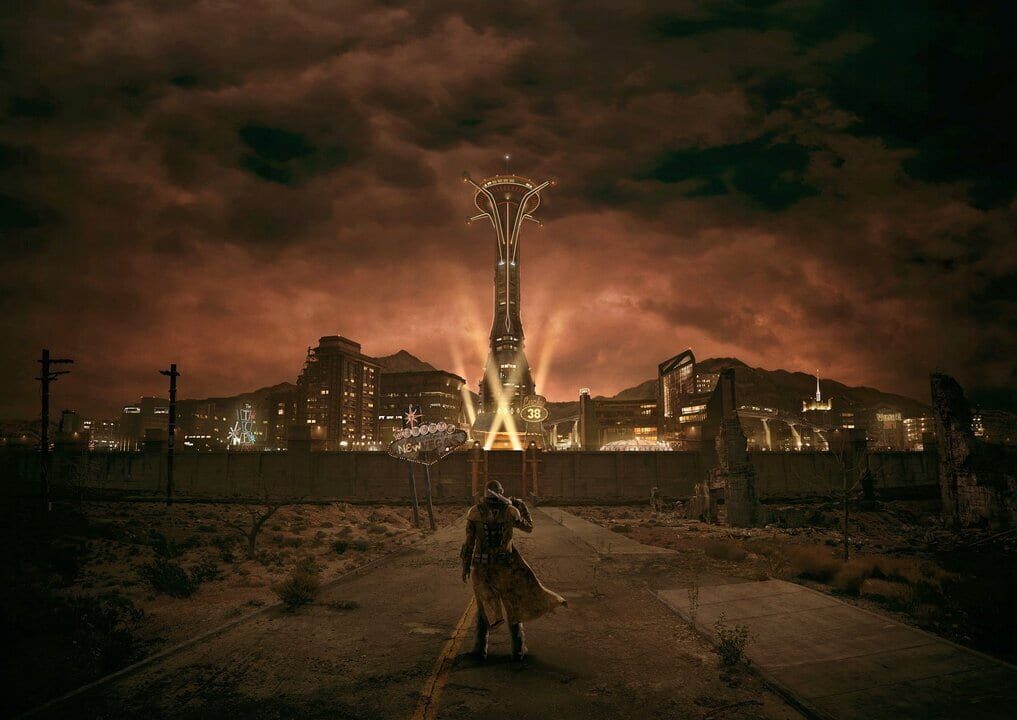
▲ Official Artwork (Source: IGDB)
Mechanical Subversion vs. Player Expectations
From a gameplay perspective, the tension highlights a classic industry divide: do you give the player more of exactly what they want, or do you challenge their mastery of the systems? Fallout: New Vegas and its expansions often chose the latter. Dead Money forced players to engage with stealth and resource management in ways the Mojave wasteland rarely required. For Bethesda, this was a deviation from the brand’s core experience that translated into review score volatility. For the players, it was the kind of high-stakes roleplaying that defined the series before the more streamlined approach seen in later iterations like Fallout 4.
The current discourse, fueled by Avellone’s comments, shows that even in 2026, the wounds of this development cycle haven’t fully healed. The fact that review scores were used as a weapon against a creative partner explains why the dream of a New Vegas 2 has remained stuck in development hell for so long. Gamers are currently voting on whether Steam player counts and review metrics should even matter to the average user, with the poll closing on April 28, 2026. This reflects a growing fatigue with the idea that a game’s worth is tied strictly to its Metacritic average rather than its mechanical innovation.
Pulse Gaming Perspective: Fallout: New Vegas proves that corporate metrics often kill creative risk-taking.
Bethesda’s decision to use a PowerPoint of failures against Obsidian reveals a deep-seated fear of mechanical experimentation. When publishers prioritize review scores over the raw, gritty evolution of RPG systems, the players lose the most unique experiences the medium can offer.
Looking back, the legacy of this title is defined by its refusal to play it safe. Whether it was the complex reputation system or the punishing mechanics of the Sierra Madre, Obsidian pushed the engine to its limits. While the corporate relationship may have soured over these choices, the enduring popularity of the game suggests that players value atmospheric depth over a sanitized, high-scoring product. for deeper dives into the RPGs that defined the modern era.
The industry must learn that a 84 on Metacritic with a cult following is often more valuable than a generic 90 that is forgotten in a year. The friction between these two giants served as a catalyst for some of the best writing in gaming history, even if it meant sitting through a few awkward slides in a boardroom.
Final Pulse Score: 9.5 / 10