
Saros has officially arrived on the PlayStation 5, and the initial wave of critical feedback suggests that Housemarque has successfully navigated the difficult sophomore slump following their 2021 breakout hit, Returnal. While the gaming community remains divided on whether the studio should have maintained its signature crushing difficulty, the general consensus points toward a highly polished, albeit more approachable, roguelite experience. Critics are currently weighing the benefits of a smoother entry point against the raw, punishing adrenaline that defined the studio’s previous work.
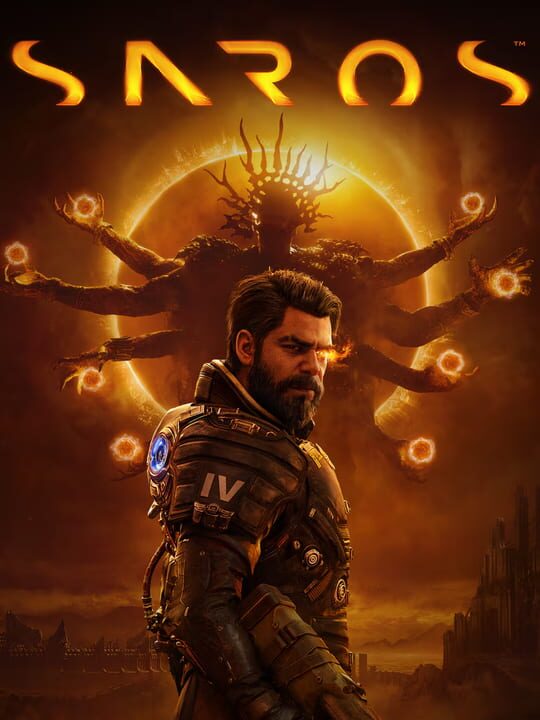
▲ Official Cover Art (Source: IGDB)
To understand where this new title sits in the current 2026 gaming landscape, we have aggregated the key technical and critical data points below:
| Game Title | Developer | Platform | Metacritic Score |
|---|---|---|---|
| Saros | Housemarque | PlayStation 5 | 88 |
The Evolution of the Housemarque Challenge in Saros
The primary point of contention across various reviews is the shift in mechanical friction. Unlike the relentless wall that players hit in Returnal, Saros provides a more malleable structure that allows for varied playstyles. Richard Wakeling of GameSpot noted that the game improves upon its spiritual predecessor by deepening the combat systems and offering a narrative that is impossible to ignore. For the average player, this means fewer runs that end in total frustration and more opportunities to engage with the complex upgrade paths that the game offers.
However, this accessibility comes at a cost that veteran roguelite fans might find disappointing. Some critics argue that the ability to become an overpowered force of nature early in a run trivializes the genre’s core loop. When the threat of death is minimized by powerful artifacts and generous health pools, the tension that makes a roguelite “special” can begin to evaporate. For those who enjoyed the “one more try” desperation of 2021, this new direction might feel like a concession to the broader market.
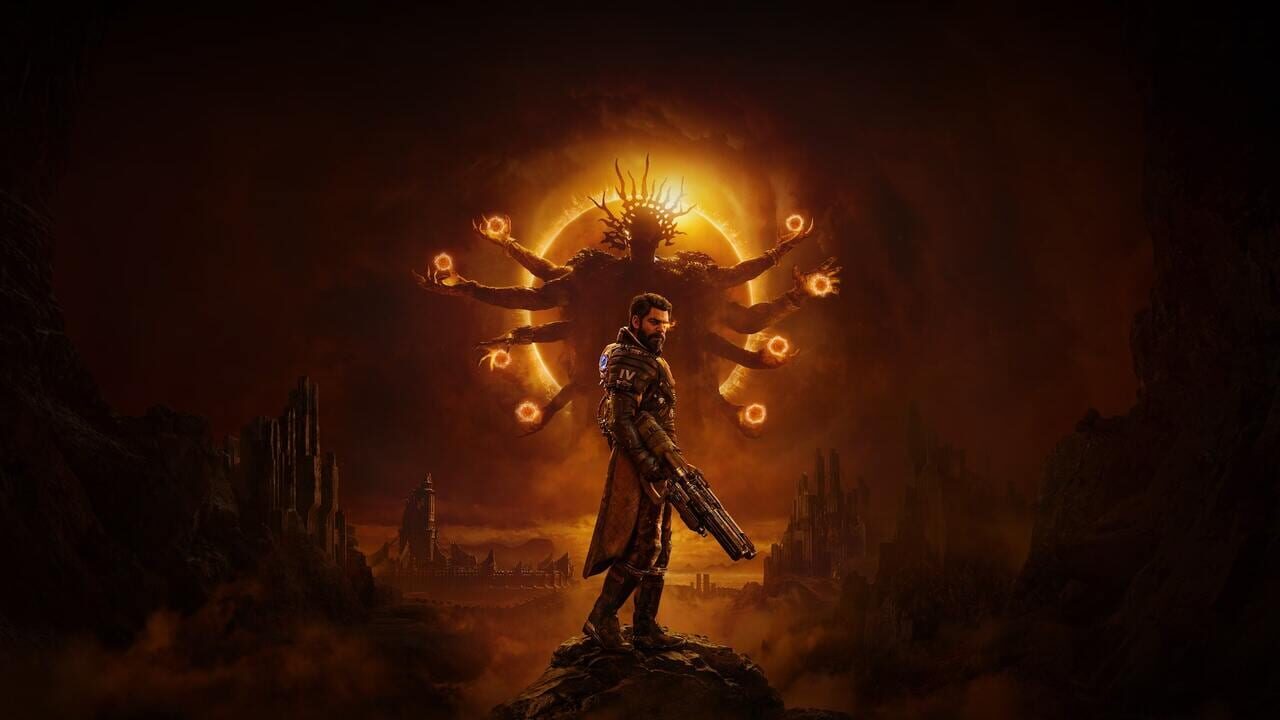
▲ Official Artwork (Source: IGDB)
Gameplay Mechanics and Audiovisual Spectacle
Technically, the game is a marvel of the current generation. Reviewers have described the experience as trance-inducing, with protagonist Arjun Devraj moving through the world of Carcosa like a phosphorus energy force. The combat is faster and more fluid, utilizing the DualSense controller’s haptics to ground the psychedelic shootouts in a sense of physical weight. The audiovisual presentation is being hailed as the new gold standard for the PlayStation 5, even as some worry that the spectacle occasionally overshadows the underlying story of Devraj’s search for his lost partner.
The deeper mechanics involve a more ambitious narrative integration than we saw in previous titles. While some outlets like IGN felt the story became too abstracted, others praised Housemarque for maintaining a distinct “house style” in an era where many first-party titles are beginning to feel homogenized. The challenge in Saros is not just in the twitch-reflex shooting, but in parsing the philosophical hurdles presented by the environment. It is a game that demands mental engagement as much as physical dexterity, even if the physical toll is less demanding than before.
Pulse Gaming Perspective: Saros prioritizes the power fantasy over the struggle.
By lowering the barrier to entry, Housemarque has created a game that more people will finish, but fewer people will fear. The shift from survival-horror roguelite to a high-octane action spectacle is a bold move that cements Saros as a mandatory PS5 experience, even if it loses some of that old-school Housemarque bite.
For players looking for a definitive verdict, the current 88 Metascore places it as one of the highest-rated titles of the year. It effectively breaks the dominant streak held by Capcom throughout early 2026, signaling that Sony’s internal studios are still the masters of the premium action-adventure space. Whether you view the decreased difficulty as a flaw or a feature will ultimately depend on your personal tolerance for the “death and rebirth” cycle that defines the genre.
Overall, Housemarque has delivered a sequel that feels massive, expensive, and deeply polished. It may not have the same niche, cult-like intensity of its predecessor, but it replaces that with a sense of scale and fluid empowerment that is rarely seen in the roguelite market. It is a triumphant, if slightly safer, evolution of a formula that continues to define the PlayStation 5 era.
Final Pulse Score: 9.0 / 10