
007 First Light has shattered expectations not just with its gameplay, but with the staggering financial and temporal investment required to bring this version of James Bond to life. Recent data reveals that the development budget for this title exceeded $200 million, a figure that places it among the most expensive entertainment projects ever produced in Northern Europe. For players, this massive investment is visible in every corner of the game, from the dense, reactive environments to the sophisticated AI that governs stealth encounters.
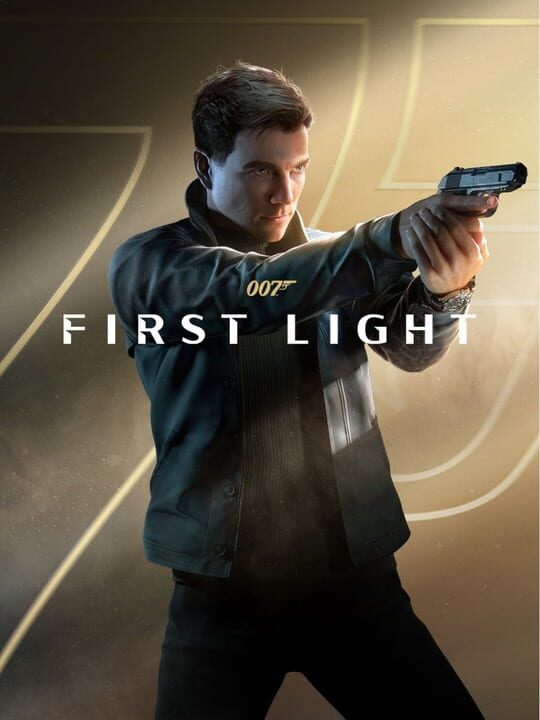
▲ Official Cover Art (Source: IGDB)
| Feature | Details |
|---|---|
| Developer | IO Interactive |
| Development Time | 7 Years |
| Reported Budget | $202 Million+ (1.3 Billion DKK) |
| Launch Platforms | PC, PlayStation 5, Xbox Series X/S (Switch 2 arriving Summer 2026) |
| Initial Sales | 1.5 Million copies in 24 hours |
The High-Stakes Production of 007 First Light
The seven-year development cycle for 007 First Light suggests a level of polish and mechanical depth that is rare in modern licensed titles. While many licensed games suffer from rushed production schedules to meet film release windows, this project was given the breathing room to establish its own identity within the Bond mythos. The investment of 1.3 billion Danish krone has allowed for a bespoke engine optimization that makes the stealth mechanics feel more fluid than any previous entry in the genre.
Looking at the broader industry, a $200 million budget has become the baseline for high-end triple-A experiences. When compared to recent extraction shooters or narrative-heavy sequels that reached similar financial milestones, 007 First Light stands out by focusing on a pure, single-player mastery of stealth and gadgetry. This funding was clearly funneled into the world-building, ensuring that each mission location feels like a lived-in space rather than a simple shooting gallery.
Mechanical Depth and Player Value in 007 First Light
The sheer detail found within the game highlights where the massive budget was utilized. 007 First Light features dozens of unique Bond-specific interactions and environmental details that reward observant players. Whether it is the way the protagonist interacts with high-society crowds or the complex safe combinations and keypad codes hidden throughout the levels, the density of the experience justifies the long wait since the project was first teased in 2020.

▲ Official Artwork (Source: IGDB)
From a player’s perspective, the value is evident in the technical stability and visual fidelity on current-generation hardware. The game launched on May 27, 2026, for PC, PlayStation 5, and Xbox Series X/S, delivering a high-performance experience that utilizes the full power of these consoles. The fact that the game managed to sell 1.5 million copies in its first 24 hours is a testament to the community’s hunger for a premium, well-funded stealth adventure that doesn’t compromise on quality.
The Financial Success and Future Outlook
The early commercial performance of 007 First Light indicates that the gamble of a $200 million budget is paying off. With Steam alone generating roughly $25 million in revenue within the first few days, the studio is on a fast track to recouping its massive development costs. This success is even more impressive considering the Nintendo Switch 2 version is still slated for release later this summer, which will likely provide another significant boost to the player base.
The critical reception has been equally strong, with many long-time fans praising the game as the definitive Bond experience. The focus on stealth mastery and the inclusion of various collectible locations and achievements provide significant replay value. If this momentum continues, the foundations laid by this massive investment could easily support a long-running franchise that rivals the studio’s previous legendary stealth series.
007 First Light proves that massive budgets can coexist with creative purity.
While $200 million is a daunting figure, the result is a focused, high-fidelity stealth masterpiece that avoids the bloat often associated with high-budget live-service titles. By prioritizing mechanical depth and environmental storytelling over predatory monetization, the studio has set a new gold standard for how licensed properties should be handled in the modern era. This is a clear victory for gamers who value quality over quantity.
Final Pulse Score: 9.5 / 10