
007 First Light has captivated players with its masterful blend of sandbox espionage and high-octane cinematic pacing, but the game we are playing today is radically different from its original pitch. Seven years in the making, the project began with a completely different mechanical and narrative framework before evolving into the focused solo journey we now know. Lead writer Michael Vogt recently revealed that the title was initially conceived as an ensemble piece featuring a tight-knit squad of double-O agents. This structural shift from a cooperative task force to a lonely struggle for survival completely altered the mechanical weight of Bond’s journey.
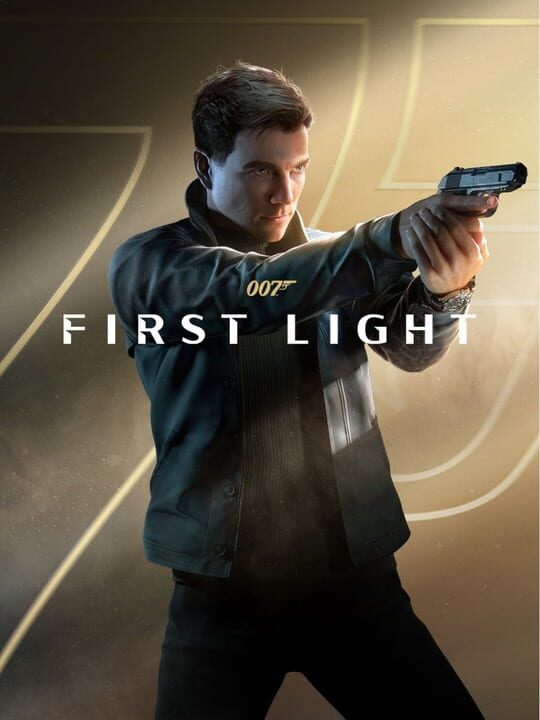
▲ Official Cover Art (Source: IGDB)
| Developer | IO Interactive |
| Lead Writer | Michael Vogt |
| Initial Concept | Multi-Agent Ensemble Cast |
| Final Structure | Single-Player Solo Espionage |
| Major Narrative Turn | Slovakia Training Montage |
The Broken Promises of Slovakia and Narrative Betrayal
The early hours of the campaign masterfully subvert player expectations by executing a classic narrative bait-and-switch. During the Slovakian training montage, the gameplay establishes what feels like a collaborative team dynamic, hinting at cooperative mechanics and shared tactical objectives among several elite agents. This sequence makes a deliberate false promise to the player, framing the campaign as an ensemble mission where the burden of saving the world is shared. By setting up this expectation, the developer creates a psychological anchor that makes the subsequent tragedy hit infinitely harder.
The sudden destruction of this team, leaving Bond as the last man standing, is more than just a plot twist; it is the moment the game’s actual mechanical loop crystallizes. The sudden transition from a cooperative tactical atmosphere to absolute isolation forces the player to adapt to a much harsher reality. This narrative rug-pull effectively mirrors Bond’s psychological transition from a raw recruit to the legendary, cold-hearted solo operator we expect.
How the Solo Pivot of 007 First Light Refines Gameplay Mechanics
Scrapping the cooperative ensemble concept allowed the team to refine the gameplay mechanics of 007 First Light to a razor-sharp edge. In a multi-agent setup, level design must accommodate diverse playstyles, split paths, and mechanical redundancies, which often dilute the tension of pure stealth. By narrowing the focus of 007 First Light exclusively to James Bond, the developers were able to craft intricate, sandboxy spy environments that cater directly to a single, highly versatile toolkit.
The level design in 007 First Light shifts from a broad tactical arena to an intimate, highly reactive playground where every corner presents a calculated risk. Furthermore, this structural isolation directly feeds into the psychological stakes of the gameplay. When life expectancy is explicitly stated to be short, players feel that vulnerability in every failed stealth run or desperate shootout. The survivor’s guilt and maturity that Bond experiences after the Slovakia disaster are not just passive cutscenes; they are translated into aggressive, self-reliant mechanics where players must rely entirely on their own resourcefulness to survive.

▲ Official Artwork (Source: IGDB)
The UX and Cultural Value of the Lone Survivor
From a user experience perspective, the lone-survivor motif creates a far more immersive atmosphere than any squad-based shooter could hope to achieve. Games that feature constant squad banter or cooperative artificial intelligence often struggle to maintain a sense of genuine dread and espionage tension. By leaving the player completely isolated in hostile territory, the emotional weight of the mission is amplified, making every successful escape feel earned. It also grounds the character of James Bond in a more realistic, vulnerable space, elevating the narrative beyond a simple action blockbuster.
Our own review of the game was generally highly positive on this Bond’s relationship with his fellow double-Os, even if we did note its breakneck pace. The seven-year development timeline of 007 First Light shows how critical creative pivots are in modern game design, transforming what could have been a chaotic multiplayer experience into a streamlined masterpiece of solo espionage. This structural evolution highlights how a developer’s willingness to sacrifice early pitches can yield a far more cohesive final product.
Why the Solo Shift of 007 First Light is a Masterclass in Game Design
By abandoning the safety net of an ensemble cast, the developers forced players to confront the cold isolation of being an elite spy. This mechanical pivot ensured that every level was optimized for tactical solo execution rather than diluted cooperative objectives. The result is a highly focused thriller that turns narrative survivor’s guilt into a core gameplay pillar, proving that sometimes the best multiplayer ideas belong on the cutting room floor.
Final Pulse Score: 9.2 / 10
Related Article: Exploring the Espionage Mechanics of the New Bond Game
Related Article: Tracking the Psychological Evolution of James Bond