
Zero Parades: For Dead Spies is already positioning itself as the most audacious narrative RPG of the decade, effectively building upon the foundation laid by its predecessor while carving out a distinct, more visceral identity. Developed by the ambitious team at ZA/UM, this title moves away from the abstract philosophical weight of the past to deliver a punchier, more grounded espionage thriller. After spending significant time with the early build, it is clear that the developers are leaning into a specific brand of chaotic energy that makes contemporary RPGs feel remarkably safe by comparison.
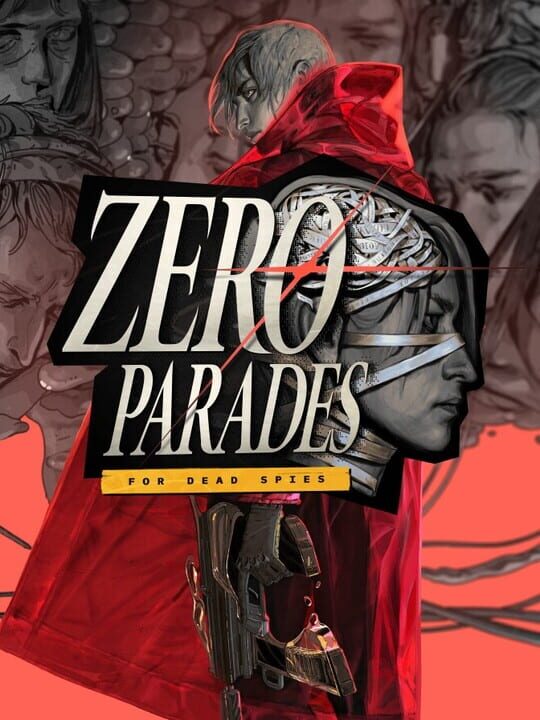
▲ Official Cover Art (Source: IGDB)
| Feature | Details |
|---|---|
| Developer | ZA/UM |
| Genre | Narrative RPG / Espionage Thriller |
| Protagonist | Hershel Wilk (Alias: Cascade) |
| Setting | Portofiro |
| Core Mechanics | Dialogue Puzzles, Internal Monologues, Exert System |
The Narrative Grit of Zero Parades: For Dead Spies
The story follows Hershel Wilk, an operative known by the codename Cascade, who returns to the field after a five-year hiatus following a catastrophic professional failure. Players find themselves in the decaying city of Portofiro, dealing with a scenario that has spiraled out of control before the first dialogue box even appears. Your double, an operative known as Pseudopod, is catatonic, and your handler is ready to pull the plug on the entire operation, leaving you to navigate a mission that you do not fully understand.
Unlike traditional RPGs that rely on high-octane combat, Zero Parades: For Dead Spies focuses on the mental and social gymnastics of espionage. The game is an evolution of the point-and-click genre, replacing literal inventory puzzles with complex dialogical conundrums. You aren’t just looking for a key to a door; you are looking for the right psychological lever to pull on a character to gain access to a secure location or a hidden secret.
The experience is intentionally unpredictable, ranging from crushing yourself with a vending machine to navigating hallucinogenic episodes triggered by blank records. This unpredictability serves a dual purpose: it highlights the fragility of Cascade’s mental state while ensuring the player never feels too comfortable in their surroundings. The city of Portofiro acts as a character itself, filled with eccentric personalities that feel more like desperate individuals at a late-night party than standard NPC quest-givers.
Evolution of Mechanics in Zero Parades: For Dead Spies
One of the most significant shifts in Zero Parades: For Dead Spies is how it handles player agency through its gamified systems. While its spiritual predecessor felt like a dense novel, this title embraces its identity as a video game with more frequent and impactful skill checks. The introduction of the Exert mechanic is a masterclass in risk-versus-reward design, allowing players to forcefully increase their success probability at a steep cost.
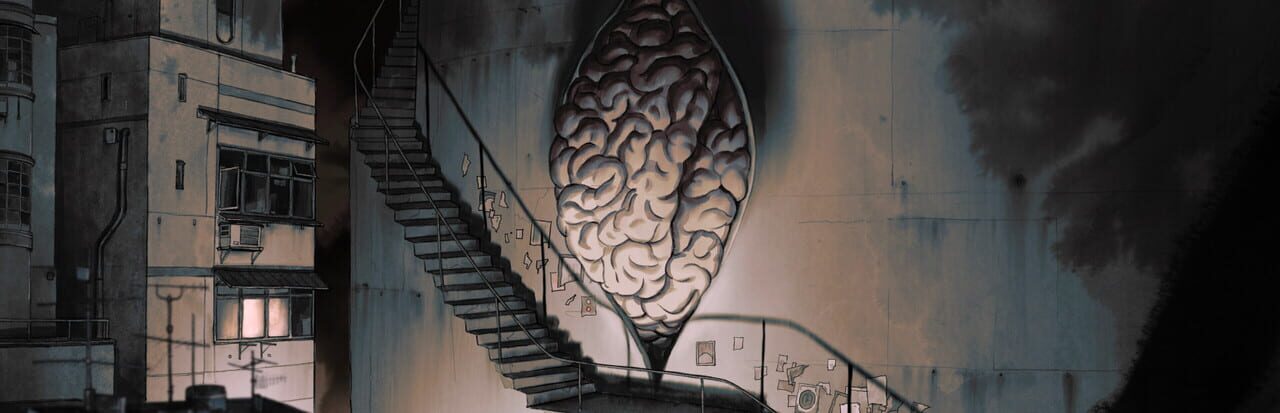
▲ Official Artwork (Source: IGDB)
When you choose to exert, you risk filling one of three negative status bars: fatigue, anxiety, or delirium. This creates a tangible tension during every major interaction; a successful roll might get you the information you need, but the resulting anxiety could lead to a permanent debuff that haunts you for the rest of the investigation. It is a system that perfectly mirrors the high-stress environment of deep-cover spy work, where every victory comes with a hidden price tag.
The internal monologue system also returns, but with a more focused application through conditioned thoughts. These thoughts act as both character-shaping ideologies and mechanical stat boosters. It allows for a level of customization that feels organic rather than numerical, letting players define Cascade’s worldview through their actions and internal justifications. This makes the roleplaying aspect feel deeply personal, as the protagonist’s psyche literally transforms based on your choices.
Accessibility and Philosophical Depth
A frequent critique of hyper-literary RPGs is their high barrier to entry, but Zero Parades: For Dead Spies manages to strike a unique balance. It remains intellectually stimulating without feeling like a lecture on socio-economics. The dialogue is snappy and often absurd, opting for a vibe that feels like a chaotic 4 a.m. conversation rather than a university seminar. However, for those who want to dig deeper, the philosophical layers are still there, hidden within the nuances of Portofiro’s history and Cascade’s fractured memories.
The visual style and world-building contribute heavily to this accessibility. The hand-painted aesthetic remains, but the world feels more reactive and alive. Exploration is rewarded not just with loot, but with context—bits of world-building that make the mission feel increasingly urgent. The absence of traditional combat allows the writing to take center stage, proving that words can be just as dangerous as any silenced pistol in the right hands.
The Exert system in Zero Parades: For Dead Spies represents a breakthrough in psychological RPG mechanics.
By tying player success directly to permanent mental debuffs like anxiety and delirium, the game forces a level of strategic caution rarely seen in the genre. This isn’t just about rolling dice; it is a simulation of the cognitive load inherent in espionage. We expect this mechanic to be the defining feature that separates casual players from those who truly master the dark arts of Portofiro’s underworld.
Final Pulse Score: 9.2 / 10