
Doom has officially transcended its status as a mere pillar of the first-person shooter genre to become a permanent fixture of American cultural history. In a move that validates the artistic merit of early interactive media, the US Library of Congress has selected the original 1993 soundtrack for induction into the National Recording Registry. This prestigious honor places the work of Robert Prince alongside legendary musical artifacts, such as Beyonce’s “Single Ladies” and Weezer’s debut album, signaling a shift in how the government perceives the aesthetic value of digital audio.
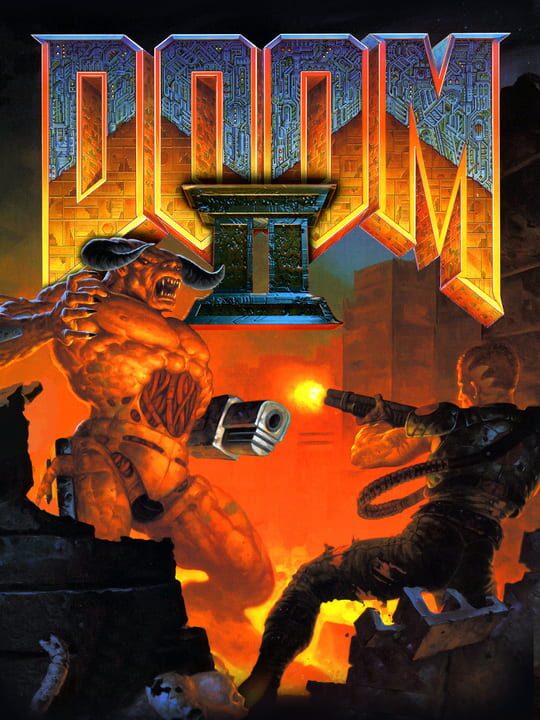
▲ Official Cover Art (Source: IGDB)
| Attribute | Details |
|---|---|
| Honored Work | Doom Original Soundtrack (1993) |
| Primary Composer | Robert Prince |
| Inducting Body | US Library of Congress |
| Selection Criteria | Cultural, Historical, or Aesthetic Significance |
| Historical Context | Inducted May 18, 2026 |
The Significance of the National Recording Registry Induction
The National Recording Preservation Act of 2000 established the registry to ensure that sounds that shaped the American landscape are preserved for eternity. For Doom to be included, it had to meet the strict requirement of being at least ten years old and possessing undeniable cultural weight. This induction highlights the transition of gaming from a niche hobby into a foundational element of modern art, where the “riff-shredding” compositions of the early nineties are now viewed with the same reverence as chart-topping pop hits.
The Library of Congress specifically cited the soundtrack’s ability to create an “adrenaline-fueled” atmosphere despite the severe hardware limitations of the early nineties. By utilizing MIDI technology to its absolute limit, the composition didn’t just provide background noise; it defined the emotional state of the player. This recognition is a victory for the entire industry, proving that the technical hurdles of the past were not barriers to creativity but rather catalysts for innovation.
Technical Mastery Within Doom and Its Sonic Legacy
Robert Prince’s work on Doom was a masterclass in frequency management and compositional efficiency that modern developers still study today. To ensure that the visceral sound effects of demon-slaying didn’t get lost in the music, Prince strategically assigned MIDI frequencies to separate the score from the action. This proto-spatial mixing allowed the heavy, metal-inspired riffs to maintain their impact without muddying the gameplay experience.

▲ Official Artwork (Source: IGDB)
Inspiration from the Legends of Metal
The sonic identity of the franchise was heavily influenced by the heavy metal titans of the early nineties, including Metallica, Pantera, and Alice in Chains. When John Romero provided Robert Prince with these CDs for inspiration, it birthed a soundtrack that felt dangerous, rebellious, and entirely new for the medium. This legacy has persisted through decades, influencing the industrial soundscapes of the modern era, including the massive success of last year’s release, Doom: The Dark Ages, which recently surpassed three million players on Game Pass.
While the Strong Museum of Play previously inducted the game into the World Video Game Hall of Fame in 2015, this 2026 Registry induction focuses purely on the auditory impact. It is a reminder that the sound of the game is just as vital as the code itself. As we see newer inductees like Silent Hill and Dragon Quest join the Hall of Fame this month, the foundational work of Prince remains the gold standard for how audio can elevate a digital environment into a masterpiece of national significance.
The Doom induction proves that hardware limitations were the true architects of timeless gaming atmosphere.
By forcing composers like Robert Prince to innovate within the MIDI spectrum, the industry created a unique sonic language that modern high-fidelity audio often struggles to replicate. This honor isn’t just about nostalgia; it is a recognition of technical problem-solving as a form of high art. As we move further into the 2020s, expect more early-era digital scores to be recognized for their role in defining the psychological landscape of an entire generation of players.
Final Pulse Score: 9.5 / 10