
PUBG: Blindspot has officially reached the end of its surprisingly brief journey, shuttering its servers on March 30, 2026, after a mere 53 days in Early Access. The sudden announcement has sent shockwaves through the tactical shooter community, marking one of the fastest service terminations for a project attached to a major gaming intellectual property. Despite the pedigree of its namesake, the title failed to transition from a promising spin-off to a sustainable live-service ecosystem.
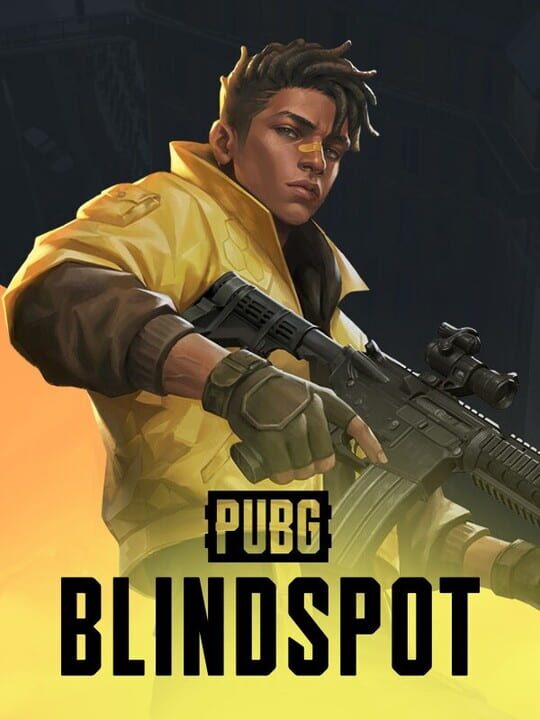
▲ Official Cover Art (Source: IGDB)
| Feature | Details |
|---|---|
| Game Title | PUBG: Blindspot |
| Developer | Arc Team |
| Launch Date | February 5, 2026 |
| Closure Date | March 30, 2026 |
| Peak Steam Players | 3,251 |
The Rapid Decline of PUBG: Blindspot
The decision to terminate the service comes directly from developer Arc Team, who cited an inability to sustainably provide the high-quality experience originally envisioned for the Early Access phase. While the title leveraged the massive brand equity of the PUBG universe, it struggled to maintain a consistent player base from the moment it went live on February 5. Sequoia Yang of Arc Team emphasized that placing the player experience at the center of their decisions necessitated this difficult withdrawal, though many fans feel the three-day notice given on March 27 was insufficient.
The game was positioned as a 5v5 top-down tactical shooter, a significant departure from the 100-player battle royale formula that made the franchise a household name. By focusing on “clever positioning” and “shared vision,” the developers attempted to carve out a niche within a sub-genre often dominated by slower, more methodical titles. Unfortunately, the market response was tepid, with SteamDB data showing a peak concurrent player count that barely scratched the surface of the genre’s leaders.
Missed Opportunities in Tactical Innovation
Mechanically, the game was frequently compared to a top-down version of Rainbow Six: Siege. Players who spent time with the title praised the gunplay and the accessibility provided by the shared vision mechanic, which allowed teams to coordinate without heavy reliance on voice chat. This innovation made the learning curve gentler for newcomers, yet it appears this accessibility did not translate into player retention or effective monetization strategies.
The industry is currently witnessing a brutal trend of high-profile closures as the “live service gold rush” continues to claim victims. Similar to the upcoming closure of Vampire: The Masquerade – Bloodhunt in April 2026, the failure of PUBG: Blindspot highlights the volatility of the current market. Even with a free-to-play model, the cost of player acquisition and server maintenance has become a wall that many developers simply cannot climb without immediate, massive success.
Marketing Hurdles and Market Saturation

▲ Official Artwork (Source: IGDB)
One of the primary criticisms voiced in recent Steam reviews involves a perceived lack of marketing support. Community members argued that despite carrying the PUBG name, the game lacked the visibility necessary to compete with modern titans. The contrast is stark: while the spin-off struggled, the mainline PUBG: Battlegrounds reached a peak of 861,783 players on Sunday, proving that the brand itself remains incredibly strong even eight years after its debut.
The 53-day lifespan of the project also raises concerns about the “always-online” nature of modern gaming. Because the title did not allow for IP-based connections or private hosting, the closure of Arc Team’s servers effectively renders the game unplayable forever. This lack of a legacy plan has become a common point of frustration for players who invest time and occasionally money into Early Access titles that disappear before they can even reach a version 1.0 release.
Pulse Gaming Perspective: The Brand Armor is Wearing Thin for PUBG: Blindspot
The failure of this project serves as a stark reminder that brand recognition is no longer a guaranteed shield against market saturation. Arc Team’s inability to foster a community within 53 days suggests that the tactical shooter space requires more than just unique mechanics; it requires a sustained, aggressive marketing campaign and a clear roadmap that players can trust.
As we look toward the future, Arc Team has stated they will take time to “regroup” and hopefully return with new experiences. For now, the story of this experiment ends with a cautionary tale for developers looking to spin off established IPs into experimental genres. You can find more details in the official Steam announcement regarding the final server shutdown times.
Ultimately, the short-lived tenure of PUBG: Blindspot will be remembered as a bold but ultimately unsuccessful attempt to diversify one of gaming’s most profitable franchises. It highlights the growing gap between the “haves” and “have-nots” in the competitive multiplayer space, where only the most robust communities survive the transition from launch to long-term service.
Final Pulse Score: 4.5 / 10