
Hopetown is emerging as a fascinating contender in the narrative RPG space, positioning itself directly in the shadow of the legendary Disco Elysium. Developed by studio Longdue, this journalistic role-playing game recently made waves by dropping a brand-new gameplay teaser on the exact same day that ZA/UM released its own spiritual follow-up, Zero Parades. By timing this trailer release alongside key staff recruitments, the developers are signaling a direct challenge to the established order of narrative-heavy role-playing games.
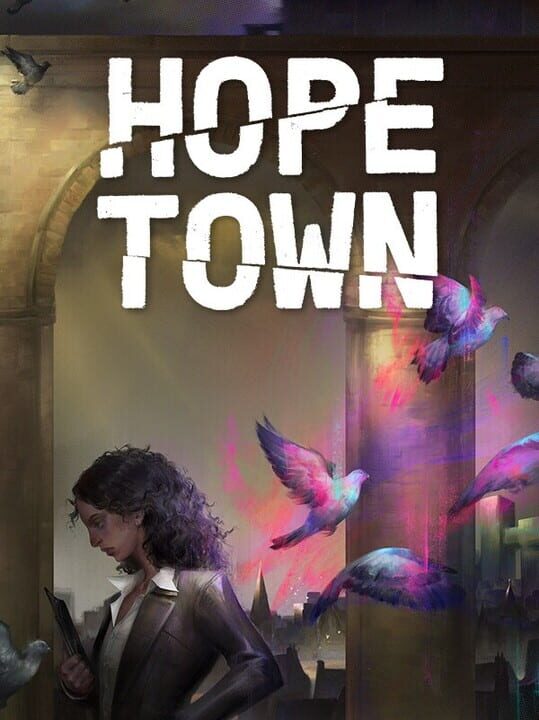
▲ Official Cover Art (Source: IGDB)
| Game Feature | Details & Specifications |
|---|---|
| Title | Hopetown |
| Developer | Longdue |
| Genre | Journalistic RPG / Narrative Adventure |
| Key Mechanics | Article drafting, photo investigation, interviewing, writing styles (Gonzo, Columnist, Correspondent) |
| Target Platforms | PC (Steam Wishlist Active) |
Mechanical Depth: How Hopetown Reinvents the Detective Formula
Instead of playing as a disgraced detective, players step into the shoes of Zola, a rogue journalist operating in the gritty, rundown mining town of New Greenwich. In Hopetown, words are literally your weapons, requiring you to adopt distinct journalistic styles such as a classic correspondent, an opinionated columnist, or a chaotic gonzo reporter to extract information from reluctant sources. The core gameplay loop focuses heavily on gathering clues, examining photographic evidence, conducting intense interviews, and ultimately compiling these findings into a published article. This shifting focus from police work to investigative journalism introduces a fresh mechanical layer where player bias and editorial choices directly shape the narrative outcome.
The world itself is built on an intriguing post-apocalyptic premise where a massive coronal mass ejection has fried global electronics and communications. In the isolated town of New Greenwich, a massive storm has halted the mining of Quicksilver, a unique material capable of reconnecting the fractured world. With rumors of dried-up resources and missing miners, players must navigate a tense web of corporate greed and local desperation. This setup demands a highly tactical approach to conversation, making your notepad and drafting menu just as vital as any traditional RPG inventory system.
Why the Creative Pedigree of Hopetown Matters to Players
The development pedigree behind Hopetown has sparked intense interest among hardcore RPG fans, particularly those disappointed by the internal fractures at ZA/UM. Longdue has actively recruited several key developers from the original Disco Elysium team to ensure the game captures that same sharp, literary brilliance. The most notable recent addition is writer Olga Moskvina, whose exceptional narrative contributions helped define the tone of the world-famous Revachol. Moskvina joins narrative lead Martin Luiga and Shadows of Doubt writer Stark Holborn, forming a narrative powerhouse capable of delivering incredibly deep, reactive dialogue trees.
For players, this concentration of talent means Hopetown is highly likely to offer the complex, politically charged, and deeply psychological writing that made its inspiration a masterpiece. Rather than simple good-or-bad choices, the writing team is aiming to deliver morally gray scenarios where every word carries weight and consequences. With veteran editors and writers steering the project, the raw gameplay mechanics of interviewing and drafting articles promise to feel satisfyingly dense rather than gimmicky. This strong focus on veteran talent suggests that the gameplay experience will prioritize narrative agency and mechanical polish over superficial style.
▲ Official Artwork (Source: IGDB)
Gameplay vs. Imitation: Can It Stand On Its Own?
While the aesthetic similarities to its predecessors are undeniable, the investigative mechanics of Hopetown could be its saving grace. The latest gameplay teaser showcases dedicated menu systems designed specifically for organizing notes, analyzing evidence, and structurally writing out your articles. This level of granular detail suggests a game that wants players to genuinely feel like investigative reporters, rather than simply clicking through dialogue options. If these writing mechanics integrate deeply with the game’s branching storylines, it will easily carve out its own distinct identity in the RPG landscape.
Players eager to see how these investigative mechanics hold up can already add the game to their Steam wishlist. Although it currently lacks a definitive launch window, the steady stream of updates and high-profile developer signings indicate that the project is progressing with serious momentum. You can keep an eye on the official progress and support the developers directly on the Hopetown Steam Store Page as development continues.
How the journalistic mechanics of Hopetown could redefine detective RPGs
By shifting the focus from traditional police investigations to active editorial creation, this game challenges players to think like actual reporters rather than passive clue-gatherers. The inclusion of veteran writers means the dialogue will have the narrative weight required to support this style of play. If the final game successfully bridges the gap between gatherable evidence and player-written articles, it will establish a brand-new sub-genre of investigative RPGs. Ultimately, players can expect a deeply immersive experience that values intellectual agency over standard choice-and-consequence tropes.
Final Pulse Score: 8.0 / 10