
Call of Duty: Modern Warfare 4 has officially broken cover, signaling a dramatic return to the high-stakes geopolitical conflict that defined the original trilogy. This latest entry from Infinity Ward departs from the experimental structures of recent years to deliver a focused, linear experience centered on a terrifyingly plausible scenario: a full-scale invasion of South Korea. By centering the action on the bombardment and land invasion of Seoul, the developers are leaning into the urban warfare expertise that made the Modern Warfare sub-brand a household name in the first place.
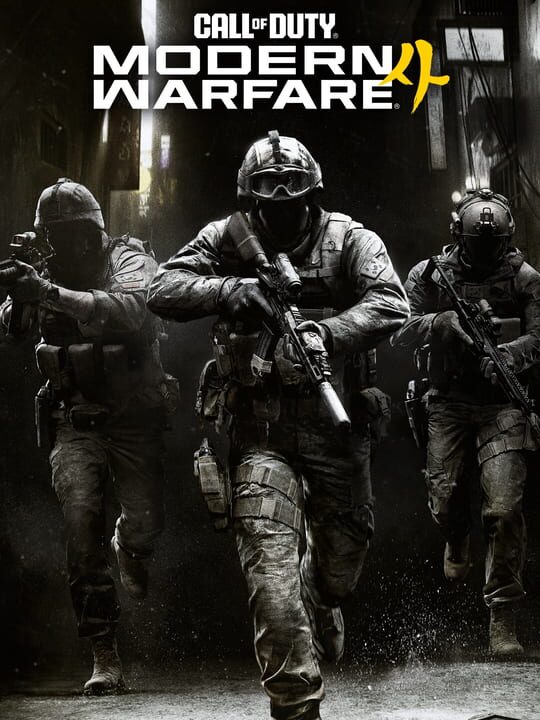
▲ Official Cover Art (Source: IGDB)
| Developer | Infinity Ward |
| Publisher | Activision |
| Core Modes | Linear Campaign, Multiplayer, DMZ (Extraction) |
| Setting | Seoul, South Korea |
| Protagonists | South Korean Soldier, North Korean Soldier, Captain Price |
The Multi-Perspective Narrative of Call of Duty: Modern Warfare 4
The campaign structure of Call of Duty: Modern Warfare 4 aims to provide a comprehensive look at the chaos of modern city-wide siege. Players will navigate the conflict through three distinct lenses: a South Korean soldier fighting for survival in his capital, a North Korean soldier on the frontlines of the invasion, and the legendary Captain Price. This trifecta of perspectives suggests a return to the gritty, grounded storytelling where the scale of war is measured both by individual heroics and the massive movements of regular infantry.
Early impressions of the reveal trailer showcase a visceral depiction of Seoul, with iconic skyscrapers engulfed in flames and streets turned into fortified trenches. The linear nature of this campaign is a direct response to player feedback following the previous installment, Black Ops 7, which many felt lacked the cinematic punch and cohesive flow that a scripted single-player experience provides. By returning to its roots, Infinity Ward is betting on the power of a directed, high-octane narrative to recapture the core audience.
The Return of DMZ and Large-Scale Combat Dynamics
Beyond the cinematic campaign, Call of Duty: Modern Warfare 4 is making a significant play for the extraction shooter market by resuscitating the DMZ mode. Given the recent market success of titles like ARC Raiders, the revival of DMZ feels like a strategic move to offer a permanent, evolving sandbox alongside the traditional multiplayer suite. This mode is expected to leverage the massive Seoul environments to create a high-stakes environment where tactical positioning and squad-based play are paramount.
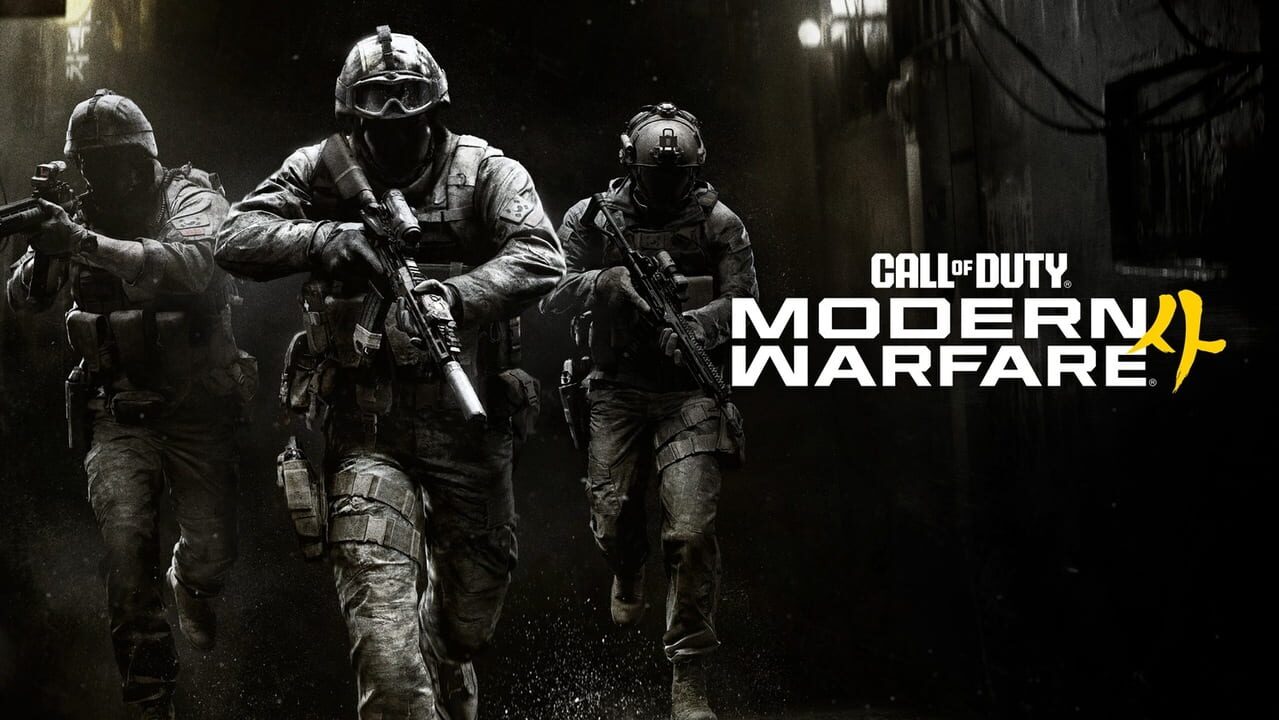
▲ Official Artwork (Source: IGDB)
Gameplay systems in this entry are reportedly shifting toward what leadership describes as an integration of infantry, armor, and air support. Associate design director Alex Norris has highlighted that the presence of the largest U.S. overseas military base in the region allows for gameplay scenarios featuring D-Day-style beach landings and intensive tank warfare. While the franchise has explored combined arms before, the sheer density of a modern metropolitan setting like Seoul offers a unique verticality and complexity to these large-scale battles.
Breaking Down the Gameplay Meta
For the competitive community, the focus remains on how these massive set-pieces translate into the standard multiplayer fare. The integration of “trench warfare” mechanics and urban tank maneuvers suggests that map design in Call of Duty: Modern Warfare 4 may lean more toward destructive environments and lane-based tactical gameplay. If the scale of the campaign missions reflects the multiplayer map design, players can expect a shift away from small-scale skirmishes toward more protracted, objective-driven engagements.
The decision to include a North Korean perspective also introduces a layer of narrative complexity rarely seen in the series. This allows for a variety of equipment and tactical loadouts that could influence the multiplayer meta, potentially introducing regional-specific weaponry and tech. As the community moves on from the poorly received cooperative elements of the previous year, the focus on a polished, high-fidelity military simulation seems to be the right course correction for the franchise.
The geopolitical gamble of Call of Duty: Modern Warfare 4 could redefine the series’ impact.
By choosing Seoul as the primary theater, Infinity Ward is moving away from the abstract shadow-ops of Task Force 141 and toward a total-war scenario that feels uncomfortably relevant in 2026. This pivot to large-scale combined arms warfare, combined with the strategic revival of the DMZ extraction mode, suggests a double-down on hardware-pushing urban environments that current-gen consoles can finally fully realize without technical compromise.
Final Pulse Score: 8.8 / 10