
Godzilla Battle Line is currently standing at a historic crossroads as it prepares to celebrate its fifth anniversary in June 2026. Since its inception, this mobile powerhouse has managed to condense 72 years of cinematic history into high-stakes, three-minute strategic duels. With over 4.5 million downloads, the title is no longer just a digital archive of Toho’s history; it has become a platform for original kaiju evolution through its latest ambitious undertaking: the GODZILLA RE:BOOT MONSTERS project.

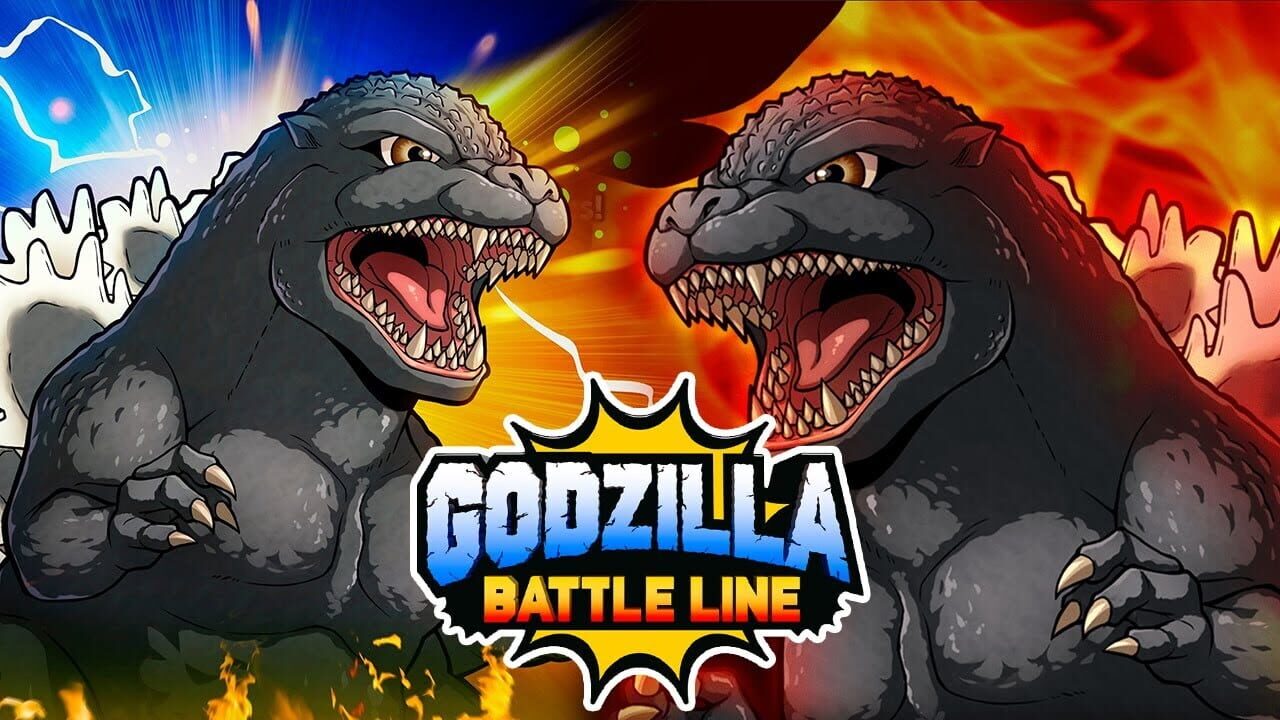
▲ Official Cover Art (Source: IGDB)
| Attribute | Details |
|---|---|
| Current Status | 5th Anniversary Preparation (May 2026) |
| Key Project | GODZILLA RE:BOOT MONSTERS |
| Lead Designer | Shinji Nishikawa |
| Featured Units | Biollante (Reboot), Destoroyah (Reboot) |
| Platform | iOS, Android |
The Strategic Evolution of Godzilla Battle Line
The core appeal of Godzilla Battle Line has always been its “Dream Match” philosophy. However, as the meta matured, players began demanding more than just faithful recreations of suit-actors from the 1960s or CG models from the modern era. The development team has responded by shifting focus toward “reconstruction.” This involves taking the fundamental essence of a monster and asking, “What if this creature evolved further?”
By bringing in legendary designer Shinji Nishikawa—the man responsible for the original 1989 Biollante design—the game is bridging the gap between practical film effects and modern gaming aesthetics. This isn’t just a cosmetic change; these units are designed to fill specific roles in the current 2026 meta. Whether it is the rush-down capabilities of Rodan (1993/2019) or the defensive utility of the Super X, the game continues to prioritize tactical diversity over simple power creep.
RE:BOOT Monsters: Analyzing Biollante and Destoroyah
▲ Official Artwork (Source: IGDB)
The first two entries in the RE:BOOT project are heavyweights of the Heisei era: Biollante and Destoroyah. For Biollante, Nishikawa avoided the temptation to turn the creature into a humanoid biped. Instead, the focus was on enhancing its unique plant-beast silhouette. The design incorporates deep purple dorsal fins—a subtle nod to the original suit’s coloration—and floral elements inspired by Noriyoshi Ohrai’s iconic poster art. In terms of gameplay, this Reboot version emphasizes the hybridity of Godzilla DNA and plant vitality, offering a distinct alternative to the existing Biollante battle pieces.
Destoroyah’s reboot is arguably even more radical. Historically known as the “perfect lifeform,” this new iteration integrates elements of King Ghidorah to create a “Strongest x Strongest” concept. Rather than focusing on the terrestrial Perfect Form, the design utilizes the Aggregate/Flying forms as a base to create something entirely new for the Godzilla Battle Line battlefield. This suggests a unit that might prioritize aerial dominance and multi-headed offensive pressure, challenging players to rethink their anti-air compositions.
The 2026 Roadmap and Cinematic Tie-ins
The future of Godzilla Battle Line is inextricably linked to the broader franchise. With the highly anticipated film “Godzilla -0.0” scheduled for release in November 2026, and a new Hollywood installment looming in 2027, the game serves as the primary touchpoint for fans to interact with new iterations of the King of the Monsters. The developers have confirmed that units from these upcoming films will be integrated rapidly, maintaining the game’s status as a living document of the franchise.
Furthermore, the success of non-film units—such as those from the “Godzilla Galaxy Odyssey” manga or the Noriyoshi Ohrai poster-variant Mechagodzilla—has proven that the community has a high appetite for “what-if” scenarios. This allows the game to function as its own creative canon, where the Godzilla Battle Line original designs can eventually influence the broader IP.
The Godzilla Battle Line meta is pivoting toward original creative canon.
By moving away from strict film adherence and embracing the RE:BOOT MONSTERS initiative, the developers are solving the problem of roster stagnation. Integrating legendary designers like Shinji Nishikawa to create game-exclusive evolutions ensures that veteran players have fresh mechanical challenges while honoring the franchise’s 72-year legacy. This strategy transforms the game from a mere tie-in into a foundational pillar of the Godzilla brand.
Final Pulse Score: 8.8 / 10