
Elden Ring transformed the gaming landscape by proving that high-difficulty friction and artistic integrity could achieve massive mainstream success. However, the very success that brought millions of players to the Lands Between has now placed a target on the studio back as external investors demand a shift toward aggressive monetization. The core of this conflict lies in a public battle for control over Kadokawa Corporation, the parent company that holds a 70 percent stake in FromSoftware. As shareholders prepare for a pivotal vote on June 24, 2026, the community is bracing for a potential shift in how these beloved titles are developed and sold.
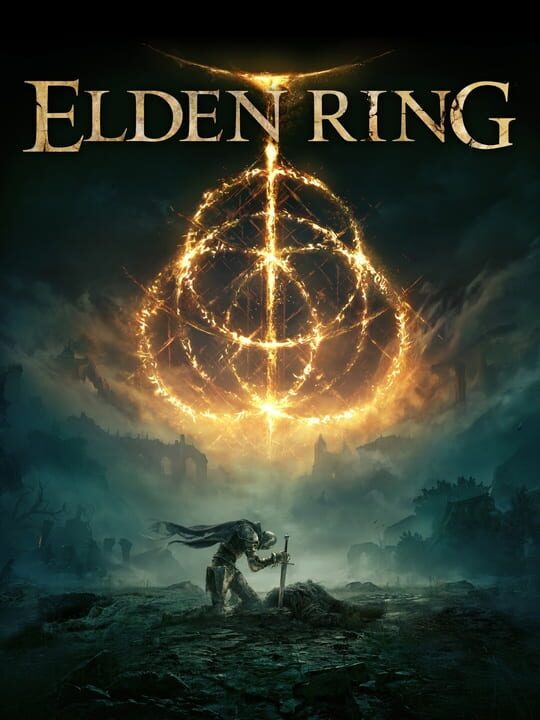
▲ Official Cover Art (Source: IGDB)
| Current Conflict Status | Aggressive Investor Proxy Battle |
| Primary Target | Kadokawa CEO Takeshi Natsuno |
| Proposed Changes | Increased Monetization and Scalable KPIs |
| Player Impact | Potential for Microtransactions and UI Changes |
The Battle for the Soul of Elden Ring
The tension centers on Oasis Management, an investment firm holding a significant 13.76 percent stake in Kadokawa, which has publicly called for the removal of current leadership. Oasis argues that the potential of the studio assets is being wasted under the current management structure, specifically citing the need to fully maximize the earnings from Elden Ring. This investor group is the same entity that famously suggested Nintendo should charge players small fees for basic gameplay mechanics like jumping in their flagship platformers. Such a philosophy stands in direct opposition to the immersive, microtransaction-free experience that defined the original launch of the game.
Oasis Management claims that Kadokawa is leaving money on the table by relying on external publishing partners like Bandai Namco for global distribution. Their vision for the future involves narrowing the publishing slate and focusing heavily on titles with scalable potential, which often translates to live-service elements or recurring revenue streams. For fans of Elden Ring, this represents a terrifying prospect where the punishing but fair gameplay loop could be compromised by corporate-mandated convenience items or pay-to-win mechanics. The push for measurable KPIs and operational discipline suggests a future where creative risks are sidelined in favor of predictable financial returns.
Monetization Schemes and the End of Creative Freedom
Hidetaka Miyazaki, the visionary president of FromSoftware and director of Elden Ring, has expressed that the studio currently enjoys an environment where they can freely create the games they want to make. This creative autonomy is the secret sauce that allowed for the punishing boss fights and obtuse lore that players have come to love. If the investor push for a management refresh succeeds, that shield of autonomy could vanish. The demand for a new CEO with a track record in global IP monetization indicates a desire to transform FromSoftware from a boutique developer of masterpieces into a high-output factory for scalable content.

▲ Official Artwork (Source: IGDB)
The timing of this conflict is particularly sensitive as the community looks forward to the upcoming Elden Ring Tarnished Edition release on the Switch 2 this summer. While expanding to new platforms is a natural progression, the investor demand to accelerate digital and international distribution could lead to a rushed development cycle. Furthermore, a recent finding by Japan Fair Trade Commission regarding payment mismanagement for over 100 freelancers has given Oasis more ammunition to argue that the current leadership is incompetent. This regulatory pressure, combined with the desire for higher margins, creates a volatile environment for the developers currently maintaining the game world.
Future Outlook and the June Shareholder Vote
The resolution of this messy corporate fight will likely be decided during the annual general meeting on June 24, 2026. If shareholders side with Oasis Management, we could see a radical restructuring of how Elden Ring is managed as a franchise. This might include a shift toward self-publishing, which Kadokawa has already expressed interest in, but with the added pressure of meeting strict investor-driven financial targets. Players who value the integrity of the experience must watch closely, as the friction that makes these games special is exactly what corporate optimizers want to smooth over for the sake of broader appeal.
While Elden Ring remains a monumental achievement in game design, its future is no longer just in the hands of the developers. The clash between artistic vision and capital allocation is reaching a boiling point, and the outcome will set a precedent for the entire industry. As the June vote approaches, the question remains whether the studio can maintain its independence or if it will be forced to adopt the very monetization models it has successfully avoided for over a decade.
The optimization of Elden Ring could strip away the artistic friction that defines the genre
The push by Oasis Management to maximize the potential of FromSoftware is a classic case of corporate logic threatening creative ecosystems. By demanding measurable KPIs and global monetization strategies, investors risk turning a unique auteur-driven experience into a standardized product. If the environment Miyazaki credits for the studio success is dismantled, the high-quality, uncompromising nature of their future projects may be the first thing to go.
Final Pulse Score: 7.5 / 10