
The Wolf Among Us 2 is finally moving toward its scheduled 2027 release window, emerging from a decade-long development odyssey that has seen studio closures, reboots, and significant engine shifts. As we move through the 2026 summer gaming season, new hands-off demonstrations have confirmed that the project is not only real but is leaning into a significantly grittier, more mature direction than its predecessor. This sequel seeks to redefine the narrative detective genre by placing Bigby Wolf in a position of unprecedented vulnerability, trading his apex predator status for a psychological struggle against a mysterious force that can manipulate his very nature.
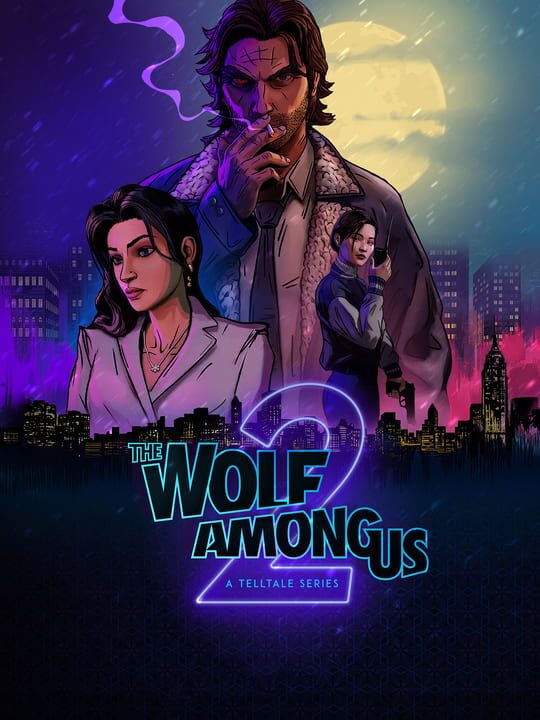
▲ Official Cover Art (Source: IGDB)
| Developer | Telltale Games |
| Release Window | 2027 |
| Game Engine | Unreal Engine |
| Core Genre | Narrative Noir Detective |
| Platform Focus | Current-Gen Consoles and PC |
| Story Structure | Episodic (Full Season Launch) |
The Noir Evolution and Psychological Horror Roots
One of the most striking revelations regarding The Wolf Among Us 2 is its intentional shift toward the darker tropes of serial killer dramas and traditional film noir. The development team has highlighted that this iteration of Fabletown is the most cynical version players have seen to date. This shift is partially attributed to the creative leadership’s background in episodic television, specifically focusing on the makeup of individuals pushed to their absolute breaking point. The narrative focuses on a cat-and-mouse dynamic where Bigby is no longer the hunter, but the hunted, facing an antagonist capable of remotely triggering his wolf transformation.
This thematic shift into the occult and the psychological represents a departure from the more straightforward urban fantasy of the first game. The demo showcases surreal flashbacks, hidden rooms filled with occult sketches, and a general atmosphere of dread that permeates the dark streets of Queens. By exploring the personal legacy and responsibilities of Bigby Wolf, the sequel asks the central question of what truly constitutes a monster. The story is designed to start small with a localized mystery and then explode into an interlocking series of events that attack the structural foundations of Fabletown itself.
The Wolf Among Us 2 Revamps Narrative Investigation
Gameplay in The Wolf Among Us 2 has undergone a technical overhaul to match its modern engine transition. While the signature dialogue choice system remains the heart of the experience, the investigation sequences have been modernized with a new over-the-shoulder, third-person camera perspective. This change allows for more immersive exploration compared to the fixed camera angles of the original title. Players will engage in more complex environmental puzzles, such as recreating magical runes from photographs or navigating hidden rooms within enchanted apartments.
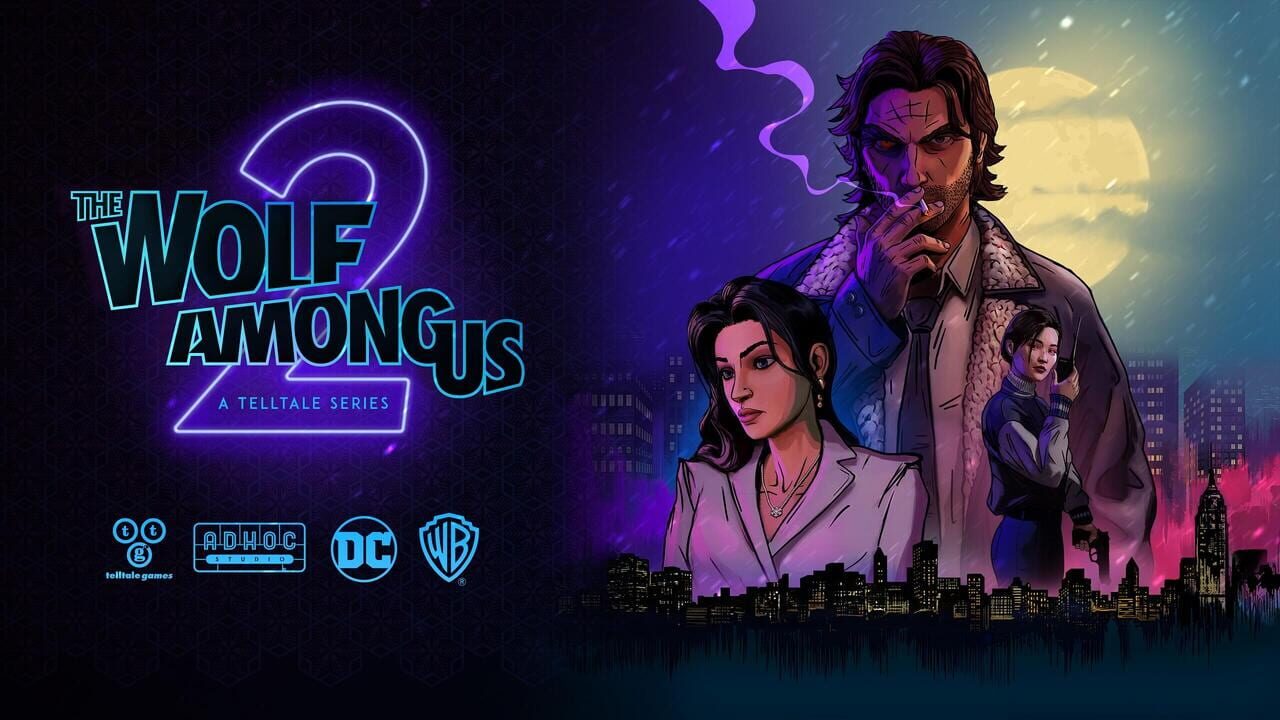
▲ Official Artwork (Source: IGDB)
Despite these mechanical additions, the developers have confirmed that accessibility remains a priority, offering an auto-solve option for those who wish to focus purely on the narrative flow. The investigation sequences are now more interactive, requiring players to physically manipulate objects and solve multi-step environmental riddles to progress the mystery. This evolution suggests a game that wants to be more than just a ‘point-and-click’ experience, aiming for a tactile feeling that bridges the gap between traditional adventure games and modern third-person explorations.
Development Rebirth and Release Strategy
The journey to the current state of The Wolf Among Us 2 involved a complete pipeline reset roughly three years ago. Moving away from legacy proprietary tools to the Unreal Engine was a critical step in ensuring the game met modern visual standards while maintaining its iconic illustrated art style. This reboot allowed the team to implement a more robust creative direction that aligns with current player expectations for high-fidelity narrative experiences. The stylized cynicism of the noir aesthetic is now better realized through advanced lighting and asset quality provided by the new technical foundation.
In a major shift for the studio, the plan for The Wolf Among Us 2 is to release the entire season at once. While the game maintains its episodic structure for pacing and storytelling purposes, players will no longer have to wait months between chapters. This binge-ready model addresses one of the long-standing criticisms of the narrative adventure genre. With the industry currently seeing a resurgence in hunger for deep, choice-driven stories, the timing for this 2027 release seems perfectly calibrated to capture an audience that has been waiting over a decade for Bigby’s return.
The Wolf Among Us 2 leverages psychological vulnerability to elevate the noir detective meta
By stripping Bigby Wolf of his physical dominance and introducing remote transformation triggers, the developers are creating a high-stakes power vacuum. This mechanical and narrative choice forces players to rely on investigation and wit rather than brute force, which effectively deepens the role-playing experience. The shift to a full-season release at launch also signals a critical adaptation to modern consumption habits, ensuring the mystery maintains its momentum without the momentum-killing gaps of the past.
Final Pulse Score: 9.2 / 10