
Scalebound remains one of the most intriguing what-if projects in modern action gaming history. Originally conceived as a grand cooperative action adventure, the project promised players intense real-time combat paired with an autonomous dragon companion named Thuban. While its sudden cancellation in 2017 left action enthusiasts disappointed, director Hideki Kamiya has publicly reaffirmed his desire to resurrect the ambitious dragon-riding experience alongside trusted creative collaborators.
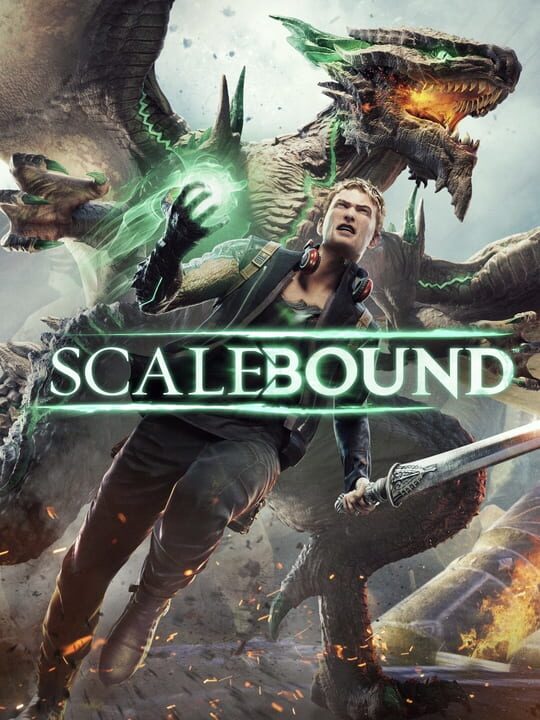
▲ Official Cover Art (Source: IGDB)
| Project Title | Scalebound |
| Original Concept Director | Hideki Kamiya |
| Initial Announcement | E3 2014 |
| Core Gameplay Genre | Dragon Companion Action RPG |
| Key Collaborator | Kento Koyama |
The Combat Vision Behind Scalebound
When the title was actively showcased, the core appeal centered on high-speed character movement layered with commanding dynamic beast mechanics. Rather than simply treating the dragon as a mount, the core gameplay loop required players to fight alongside Thuban, issuing strategic commands while executing fluid melee and ranged combinations. This dual-focus action system offered a unique mechanical rhythm that separated it from traditional character action titles.
Synergistic Mechanics and Dragon Progression
Scalebound aimed to integrate deep role-playing progression into intense action framework. Players were slated to customize Thuban with distinct armor sets, elemental affinities, and morphological evolutions that altered how the companion behaved in combat arenas. Directing massive area-of-effect breath attacks while weaving through enemy lines using sword strikes and bow attacks established a high skill ceiling for combat mastery.
Why Kamiya Believes Scalebound Deserves a Second Chance
Creative persistence has always defined Kamiya’s career trajectory, as proven by long-gestating projects eventually finding new life. The director maintains that genuine passion from development teams often opens doors when the timing aligns. He recently noted that former team members still share fond memories of building the game, proving that the original design philosophy carries lasting creative value.
Reassembling the Veteran Design Core
A potential revival hinges not just on publisher interest, but on the willingness of key architects to return. Former development lead Kento Koyama is reportedly eager to collaborate once again if the opportunity arises. Having the original visionaries ready to tackle the design challenges means any future iteration could preserve the intricate combat weight and distinct pacing that initially captured the imagination of the action community.

▲ Gameplay & Official Media (Source: IGDB)
The gaming landscape has evolved significantly since the project was shelved, with action RPG audiences showing immense appetite for deep monster combat systems and cooperative encounters. If given the green light, modern hardware capabilities would allow the seamless dragon-command mechanics and large-scale environmental battles to perform without the technical limitations that hindered development during its original production cycle.
Scalebound revival potential relies on passionate combat designers and evolving action RPG demand
The original dragon-partner combat framework remains mechanically distinct in today’s gaming ecosystem. With key creative leads expressing active interest in returning to the project, the core design foundation is primed for realization. If production hurdles can be cleared, the unique synergy between human swordsmanship and beast mastery would deliver a truly fresh experience.
Final Pulse Score: 8.5 / 10