
Silent Hill: Townfall marks an ambitious international shift for Konami classic psychological horror franchise, planting its harrowing atmosphere firmly into the coastal gloom of 1990s Scotland. Developed by Glasgow based studio Screen Burn, previously known as No Code, the psychological thriller abandons comfortable tropes in favor of raw, localized authenticity. Players step into the shoes of Simon, an American outsider arriving in the fictional town of St. Amelia, where mundane regional architecture intertwines with deeply personal nightmares.
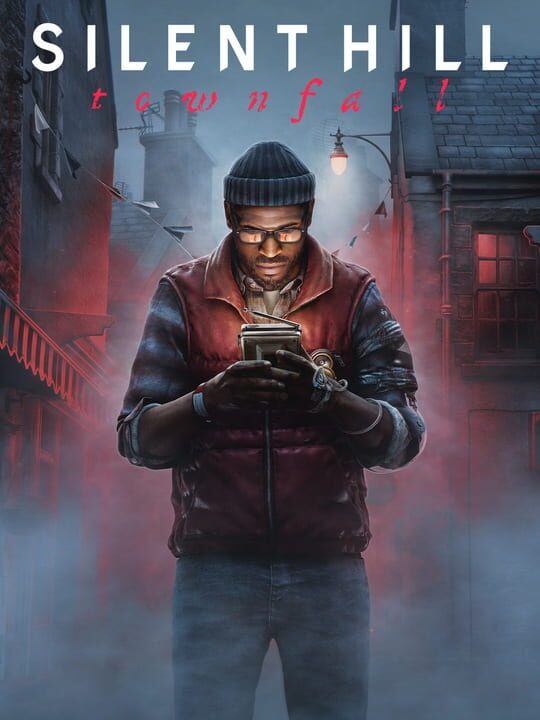
▲ Official Cover Art (Source: IGDB)
| Developer | Screen Burn |
| Setting | St. Amelia, Scotland (1990s) |
| Perspective | First-Person |
| Core Tool | Diegetic Portable CRTV |
| Release Date | September 24 |
The Unsettling Realism of St. Amelia
Rather than leaning into caricatures of Scottish folklore, Silent Hill: Townfall grounds its dread in tangible everyday details from the late twentieth century. St. Amelia feels unnervingly familiar, constructed with dense stone terraces, vintage storefronts, and authentic period items sourced directly from historical catalogs. The pervasive mist and dreich weather of the Scottish coastline provide natural atmospheric tension, transforming quiet alleyways into suffocating labyrinths cloaked in trauma.
The narrative weaves underlying social unrest and historical unease into the physical landscape. Physical protest placards, industrial decay, and remnants of community upheaval serve as visual backdrops to the psychological descent. By mirroring real world anxieties and medical trauma through grotesque, surreal distortions, the environment itself becomes an oppressive antagonist that Simon must slowly decipher.
Tactile Gameplay in Silent Hill: Townfall
Shifting away from the traditional third person viewpoint, Silent Hill: Townfall adopts an intimate first person perspective to intensify environmental claustrophobia. Without artificial camera scaling or wide doorframes designed for detached observation, interior corridors feel appropriately tight and realistic. This perspective forces players to directly confront St. Amelia horrific imagery without the emotional buffer of an external character model.
Mechanical interactions heavily emphasize tactile, analog technology from the 1990s. Simon navigates the town relying on a chunky portable CRTV monitor that scans fuzzy signals, tracks hostile entities, and uncovers cryptic spatial puzzles. Because these analog tools are inherently frail and prone to static interference, they provide essential guidance without ever offering complete safety, maintaining high tension during resource scarce exploration.

▲ Gameplay & Official Media (Source: IGDB)
A Grounded Evolution for Franchise Survival
By pairing an outsider protagonist with a deeply localized setting, the experience ensures that both Simon and the player uncover the town dark history in unison. Silent Hill: Townfall avoids overused storytelling tropes like sudden amnesia, establishing genuine vulnerability as players sift through abandoned cupboards and derelict clinics. The deliberate lack of modern smartphones or automated navigation tools reinforces the sense of complete isolation.
This distinct design philosophy demonstrates how Screen Burn previous mastery of tactile UI and narrative pacing elevates classic survival horror. Silent Hill: Townfall delivers a masterclass in atmospheric restraint, proving that psychological terror thrives best when anchored in authentic human suffering and fragile analog mechanics.
Silent Hill: Townfall succeeds by transforming mundane regional authenticity into claustrophobic psychological horror.
The decision to utilize tactile, diegetic analog tools within a realistic first person viewpoint strips away conventional safety buffers. Grounding the nightmare in authentic 1990s Scottish sociopolitical tension creates an intimate, chilling atmosphere that elevates the entire franchise formula without relying on repetitive horror clichés.
Final Pulse Score: 9.0 / 10
Related Article: Silent Hill Townfall Authentic Scottish Horror