
Call of Duty enthusiasts are accustomed to facing off against shadow-state masterminds who thrive on geopolitical chaos, but a new report suggests that real-world tech giants might be taking cues from the franchise’s most notorious antagonists. A massive 16,000-word investigative feature from the April 13, 2026, edition of The New Yorker has pulled back the curtain on OpenAI, revealing that executives allegedly debated a strategy to incite a global AI arms race between world powers.
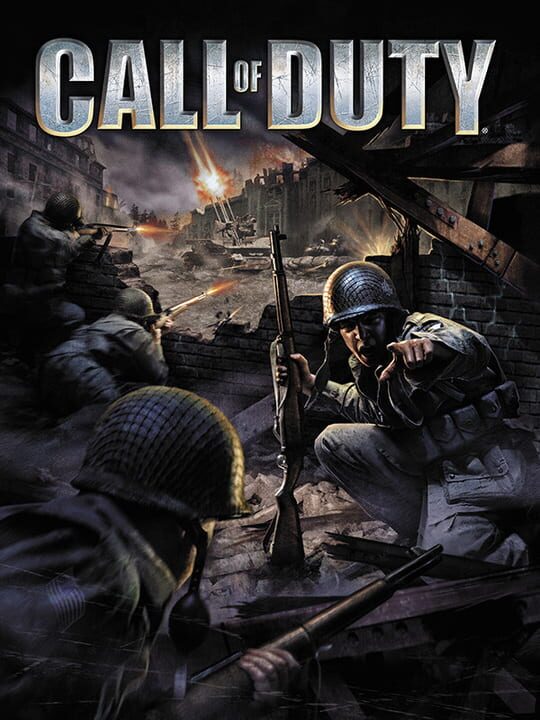
▲ Official Cover Art (Source: IGDB)
The report details a defunct but terrifying strategy where OpenAI would position its generative technology as a digital nuclear deterrent. By playing superpowers like the United States, China, and Russia against one another, the company reportedly aimed to spark a bidding war for its tools. To anyone who has played through a modern Call of Duty campaign, this narrative feels eerily familiar, echoing the manipulative tactics of villains like Jonathan Irons or Vladimir Makarov, who profit from the very conflicts they help ignite.
| Feature | Details |
|---|---|
| Primary Game Parallel | Call of Duty: Modern Warfare / Black Ops |
| Key Figure | Sam Altman (OpenAI CEO) |
| The “Villain” Plan | Starting a bidding war between global superpowers |
| Hardware Impact | Inflated RAM and GPU prices due to AI server demand |
How OpenAI’s Strategy Mirrors Call of Duty Antagonists
In the world of Call of Duty, the most dangerous enemies are those who control the flow of information and technology to keep the world in a state of perpetual tension. According to former OpenAI employees, including ex-policy director Jack Clark, the proposed “countries plan” was essentially a prisoner’s dilemma. If a nation didn’t fund OpenAI, they risked being left behind while their rivals gained a massive technological edge, making the act of not participating inherently dangerous.

▲ Official Artwork (Source: IGDB)
This “invest-or-be-destroyed” mentality is the exact plot hook used in multiple Call of Duty titles to justify the rise of private military corporations and rogue tech moguls. While OpenAI officially disputes these claims, calling the characterization of their high-level discussions “ridiculous,” the New Yorker report claims to have reviewed documents confirming that the plan was popular among top executives. It was only abandoned after internal pushback from employees who recognized that the plan was, in their own words, “completely f***ing insane.”
The Gaming Impact: Why Your PC Upgrade Is at Stake
For the average player, this isn’t just about high-stakes drama that sounds like a Call of Duty mission briefing; it has direct consequences for our hardware and wallets. The massive demand for the server-side hardware required to run these global AI models is one of the primary drivers behind the stagnant prices of PC components. As long as these companies are chasing “Department of War” contracts and billionaire-level bidding wars, the silicon supply chain will continue to prioritize enterprise AI over gaming GPUs and high-speed DDR5 RAM.
The recent agreement between OpenAI and the US Department of War further blurs the line between a tech company and a defense contractor. If the meta for global security continues to shift toward AI-driven warfare, gamers might find themselves waiting years for the “AI bubble” to pop just to see a reasonable price drop on a mid-range graphics card. We are essentially living through the prologue of a Call of Duty game where the technology meant to entertain us is being repurposed for global dominance.
The internal strife at OpenAI highlights a growing divide between those who see AI as a tool for safety and those who view it as a weapon to be leveraged. For more on how industry giants are shaping the future of interactive entertainment and tech, .
Pulse Gaming Perspective: The Call of Duty Villain Archetype is No Longer Fiction
When tech leaders start treating global stability like a bidding war for premium DLC, the gaming community loses. We are seeing the resources for next-gen rendering and local AI anti-cheat being diverted into geopolitical power plays that make General Shepherd look like an amateur.
While we hope for a return to normalcy in the hardware market, the reality is that the quest for AGI (Artificial General Intelligence) is being treated with the same intensity as the Cold War arms races depicted in Call of Duty. Until the industry refocuses on consumer-level innovation rather than superpower-level extortion, our rigs will continue to pay the price.
Final Pulse Score: 2.5 / 10 (The “villainous” plan represents a massive threat to hardware accessibility and ethics.)