
The Legend of Zelda Ocarina of Time has long been celebrated as the gold standard of high fantasy adventure, yet beneath its lush fairy tale veneer lies one of gaming history’s most effective psychological horror experiences. When players step into the richly detailed world of the modern remake, the romantic storybook illustrations and golden hour vistas immediately capture the imagination. However, classical fairy tales have always drawn their narrative strength from genuine terror, and revisiting Hyrule reveals an uncompromising dedication to unsettling monster design, eerie isolation, and dark folklore.
▲ Official Cover Art (Source: IGDB)
| Original Release | 1998 |
| Core Genre | Action Adventure Dark Fantasy |
| Atmospheric Focus | Grimm Style Fairy Tale Horror |
| Signature Terrors | ReDeads Dead Hand Wallmasters |
| Audio Identity | Sparse Echoing Ambient Soundscapes |
Grimm Folklore and the Dark Underbelly of Hyrule
The narrative structure of The Legend of Zelda Ocarina of Time mirrors traditional European folklore far more closely than modern high fantasy epics. Rather than presenting a purely sterilized heroic journey, the game leans heavily into baroque whimsy and sudden, jarring macabre threats. Link’s journey begins with the bizarre internal exploration of giant mythical beasts and quickly spirals into curses born of human avarice, directly channeling the moral warnings found in classical Brothers Grimm tales.
Nowhere is this dark folklore more evident than in the House of Skulltula nestled within Kakariko Village. A once wealthy family transformed into monstrous arachnids with human faces etched into their carapaces serves as a chilling testament to greed. The visual horror of these chattering creatures pleading for salvation while scuttling across cobwebs establishes a deep psychological tension that subverts the safe pastoral warmth of neighboring settlements.
Mechanical Dread From ReDeads to the Bottom of the Well
True horror in The Legend of Zelda Ocarina of Time is not merely aesthetic; it is meticulously woven into gameplay mechanics that disempower the player. The infamous ReDeads lurking within the Royal Family Tomb embody this philosophy perfectly. Their paralyzing shrieks strip control away from the player entirely, forcing Link to stand frozen as desiccated corpses slowly drag themselves forward. This freeze mechanic transforms standard combat encounters into claustrophobic tests of spatial awareness and nerve.
Descending into the Bottom of the Well and the Shadow Temple shifts the experience entirely into visceral dungeon horror. Far removed from the open majesty of Hyrule Field, these subterranean torture chambers feature bloodstained floors, skeletons chained inside stone walls, and nightmarish monstrosities. The grotesque Dead Hand, with its ring of grasping white limbs emerging from the soil, remains one of the most haunting creature designs ever conceived by Nintendo.
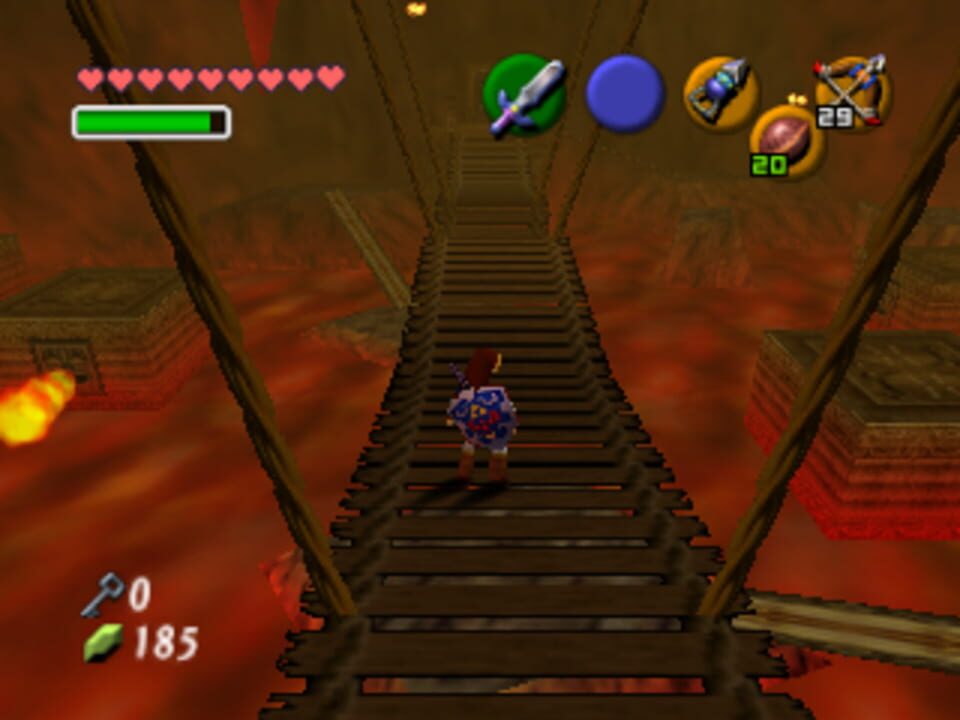
▲ Gameplay & Official Media (Source: IGDB)
The Auditory Tension of a Haunting Audio Landscape
Sound design plays a crucial role in amplifying the unease throughout The Legend of Zelda Ocarina of Time. Instead of overwhelming orchestral tracks, the game frequently employs minimalist ambient noise, distant scraping footsteps, and chilling monster groans that echo across cavernous stone walls. The dread of a Wallmaster is signaled entirely by an expanding floor shadow and an ethereal whistling howl, training players to react with visceral panic before the enemy even materializes on screen.
As modern visual fidelity enhances every textured surface and shadowy corridor, the psychological impact of these encounters becomes even more potent. The juxtaposition of idyllic storybook lighting with grotesque subterranean horrors gives The Legend of Zelda Ocarina of Time an enduring atmospheric identity that few contemporary adventure titles can replicate.
The enduring genius of Ocarina of Time lies in its masterful balance of pastoral wonder and relentless atmospheric dread.
By anchoring heroic progression against genuinely unsettling folklore horrors like Dead Hand and ReDeads, the title creates unforgettable emotional contrast. The modern visual presentation elevates this delicate balance without compromising the eerie soundscape and mechanical tension that made the original 1998 journey so profoundly impactful.
Final Pulse Score: 9.5 / 10
Related Article: Zelda Ocarina of Time Switch 2 Remake
Related Article: Zelda Ocarina of Time Remake Gameplay Release