
Forza Horizon 6 has officially pulled back the curtain on its highly anticipated Japanese setting, offering a comprehensive look at a map that promises to redefine the series’ approach to density and verticality. Following months of speculation, Playground Games shared a detailed birds-eye view of the landscape on April 8, 2026, confirming that the Horizon Festival is finally heading to the neon-soaked streets of Tokyo and the rugged terrain of the Japanese Alps.

▲ Official Cover Art (Source: IGDB)
The map reveal serves as a critical milestone for players preparing for the May 19, 2026, launch on PC, PlayStation 5, and Xbox Series X|S. While the sheer aesthetic beauty of the region was never in doubt, this first look at the full layout provides essential data for those looking to master the 550 real-world cars available at launch. From the intricate maze of downtown Tokyo to the sweeping elevations of the snowy mountains, the map appears to be a calculated blend of high-speed transit and technical driving challenges.
| Feature | Details |
|---|---|
| Game Title | Forza Horizon 6 |
| Release Date | May 19, 2026 |
| Confirmed Platforms | PC, PS5, Xbox Series X/S |
| Initial Car Count | 550 Licensed Vehicles |
| Primary Setting | Japan (Urban & Alpine) |
Forza Horizon 6 and the Scale Controversy: How Big is Japan?
Immediately following the reveal, the community began a forensic analysis of the map’s dimensions. Initial reactions on social media suggest a divide; while some vocal fans worry the total landmass looks small at first glance, the internal metrics suggest a different story. Long-time series enthusiasts on Reddit have already performed scale comparisons by superimposing previous maps, using airport runways as a baseline for measurement. These community estimates suggest that the Tokyo metropolitan area alone is roughly four times the size of any city seen in Forza Horizon 5.
This shift toward urban density marks a significant departure for the franchise. Rather than vast, empty stretches of desert or farmland, the Japanese map prioritizes complex intersections, multi-level highways, and tightly packed storefronts. This environment will fundamentally change the competitive meta, moving away from pure top-speed builds toward vehicles that excel in short-ratio gearing and precise handling. The inclusion of a massive circular highway that encircles the entire map further supports this, providing a dedicated space for the high-speed ‘Wangan’ style racing that is synonymous with Japanese car culture.
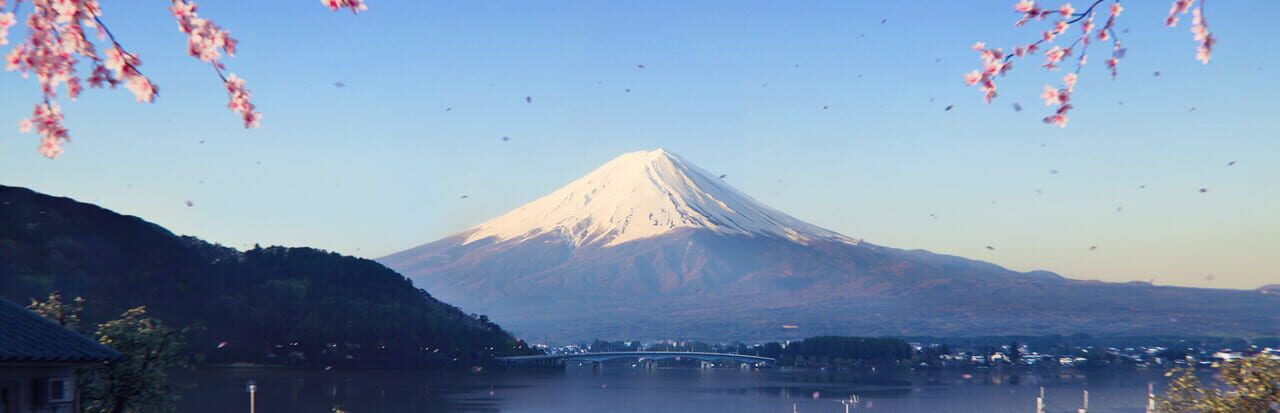
▲ Official Artwork (Source: IGDB)
From Mt. Akina to the Touge: A Drifter’s Paradise
The geography of the map is not limited to the urban sprawl. The northern sector is dominated by the Japanese Alps, featuring what many believe to be Mt. Akina—a legendary location for drifting aficionados. The inclusion of snaking touge roads and densely packed hairpins indicates that Playground Games is leaning heavily into the drifting mechanics that have become a staple of the community. There is also ongoing debate regarding a specific track visible on the map; while some identify it as the Nikko circuit, others are convinced it is Tsukuba. Regardless of the official name, the presence of dedicated closed-circuit racing zones within the open-world map is a huge win for the hardcore player base.
Verticality is the keyword here. Unlike the flatter topographies of previous entries, the alpine biome offers massive elevation changes that will test the suspension and weight transfer of every car in the garage. This isn’t just about driving from point A to point B; it’s about managing the physics of a descent while navigating tight corners that offer zero room for error. The developer’s promise of the “most dense and vertical map yet” seems to be validated by the sheer number of overlapping roads and stacked urban layers visible in the preview.
For those who prefer dirt under their tires, the rural regions outside of Tokyo provide a surprisingly high volume of off-roading routes. While Japan is often associated with asphalt, the map includes lush green countryside and dock areas that serve as playgrounds for rally enthusiasts. This ensures that the diverse vehicle roster, ranging from supercars to rugged 4x4s, all have a viable home on this new terrain. For more context on how this compares to other major releases, you can check the latest reports on IGN.
Pulse Gaming Perspective: Forza Horizon 6 Finally Delivers the Urban Jungle Fans Craved
By trading wide-open voids for dense, vertical complexity, Playground Games is finally addressing the biggest critique of the previous generation. The four-fold increase in city scale combined with legendary drift passes means the ’empty map’ syndrome is likely a thing of the past. This isn’t just a map; it’s a structural evolution that prioritizes quality of driving over raw square mileage.
As we approach the final weeks before release, the anticipation for this digital recreation of Japan continues to climb. The map appears to be a “toybox of biomes,” carefully curated to offer something for every type of driver. Whether you are a fan of the neon-lit night runs or the grueling climb up snowy peaks, the structural variety here is unprecedented. about the upcoming car list and performance specs.
Final Pulse Score: 9.5 / 10