
Teyon is fundamentally shifting its design philosophy following the heavy kinetic firefights of its previous projects, leaning deep into tabletop heritage with Hunter The Reckoning Deathwish. Rather than handing players an unstoppable urban predator equipped with an infinite arsenal, the studio is crafting an experience grounded in vulnerability, psychological strain, and tactical planning. The newly unveiled character creation mechanics demonstrate this pivot with surgical precision, showing that survival against the supernatural requires accepting devastating personal liabilities alongside combat proficiencies.
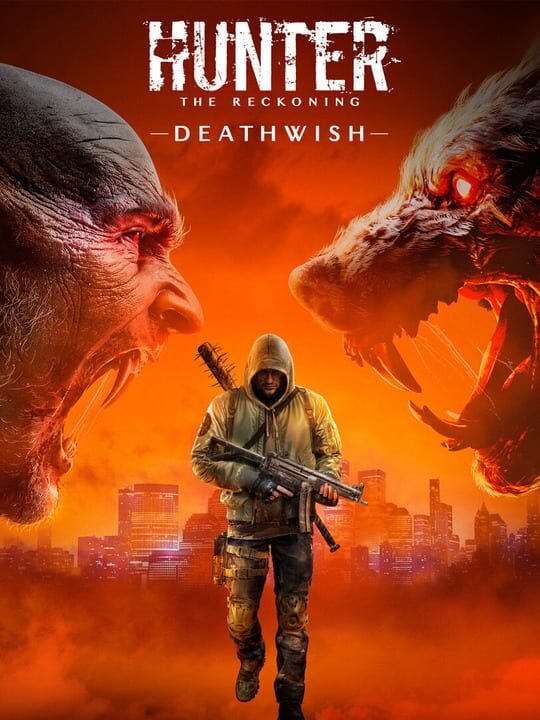
▲ Official Cover Art (Source: IGDB)
Balancing Advantages and Vulnerabilities on a Crucial Scale
The core of character generation in Hunter The Reckoning Deathwish revolves around an interconnected system of Advantages and Flaws managed on an old-school weighing scale interface. Players cannot simply stack offensive bonuses without offsetting them with tangible detriments, mirroring the strict character sheet economy of the tabletop source material. Choosing an edge like Warrior grants a reliable fifteen percent boost to critical strike chance, while Charmer adds a flat bonus to critical Persuasion dialogue checks during high-stakes social encounters. These boons provide distinct mechanical vectors, encouraging players to carve out specific operational niches within their vampire-hunting cells rather than creating omnipotent masterminds.
However, the real identity of the game shines through its unapologetic roster of crippling Flaws. Rather than offering trivial statistical penalties that players can easily ignore, the selection includes impactful traits like claustrophobia, clumsy motor control, damaged reputation, hypochondria, and an outright phobia of darkness. In an investigative dark fantasy where players regularly enter unlit crypts, abandoned subterranean tunnels, and infected crime scenes, being afflicted with panic in tight enclosures or losing physical composure under pressure completely upends typical power fantasies. This mechanical pushback forces players to treat every excursion as a high-risk gamble where their mental stability is just as fragile as their health bar.
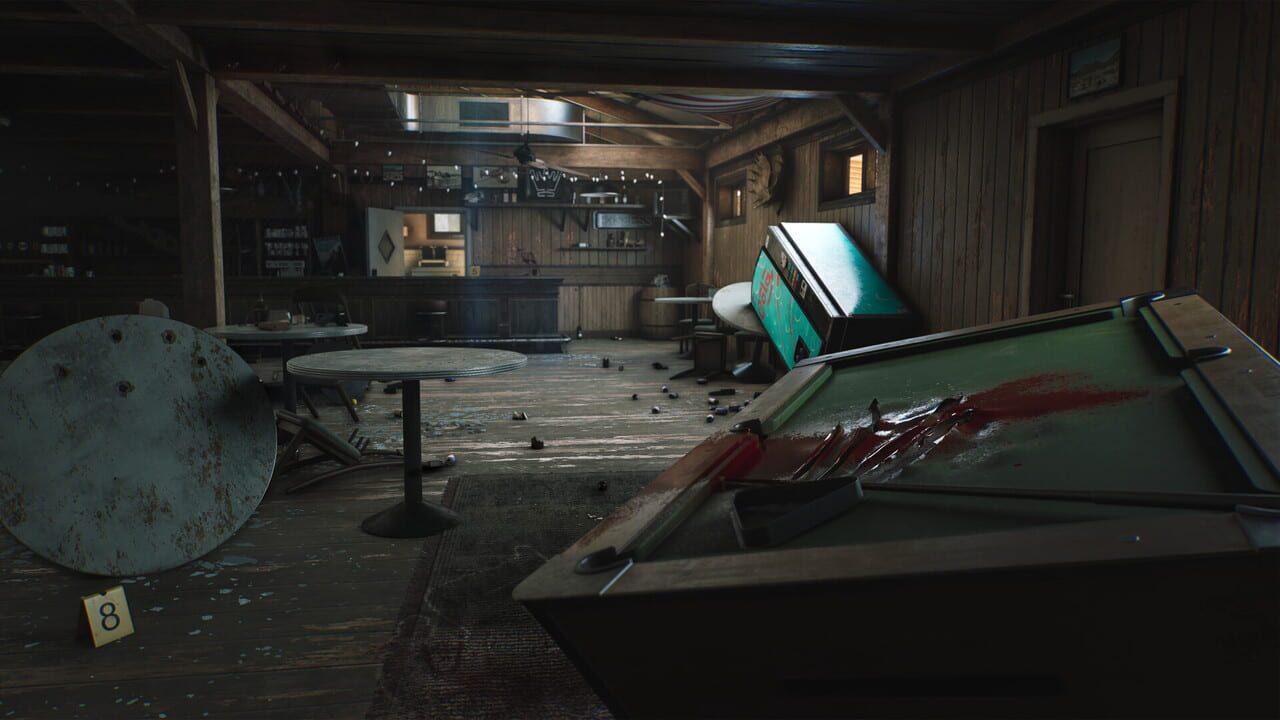
▲ Gameplay & Official Media (Source: IGDB)
A Deliberate Pivot from Kinetic Shooters to Investigative RPGs
Teyon has made it abundantly clear that Hunter The Reckoning Deathwish is not a direct thematic successor to the relentless run-and-gun combat seen in RoboCop: Rogue City. Narrative designer Mateusz Działowski highlighted this transformation by noting that the team consciously swapped from action with RPG elements into a comprehensive RPG with action elements. This structural change recontextualizes every street corner of the condensed, rain-slicked depiction of New York City, turning urban exploration into an exercise in clue gathering, forensic deduction, and risk management.
Players must assemble a bespoke team of flawed slayers, where each squad member carries distinct traumatic backgrounds, personal secrets, and individual psychological hang-ups. Navigating these interpersonal frictions while preparing for nighttime hunts means players must gather reliable intelligence before drawing weapons. Confronting vampires, werewolves, and lurking horrors without sufficient preparation will swiftly punish overconfidence, as baseline monster strength far outclasses unsupported mortal firepower.
| Developer | Teyon |
| Genre Pivot | Investigation RPG with Action Elements |
| Character Economy | Advantage and Flaw Balanced Scale |
| Primary Setting | Condensed Metropolitan New York City |
| Official Hub | Steam Store Page |
The Tactical Value of Unfit Protagonists
The willingness to let players control deeply compromised monster hunters injects emergent storytelling directly into baseline combat encounters. When a protagonist with an intense fear of the dark faces supernatural horrors in an unpowered basement, tactical positioning becomes an urgent puzzle rather than a routine shooting gallery. Players must manage light sources, coordinate squad line-of-sight, and deploy utility gear to keep neurotic party members functioning under stress. This systemic friction turns standard skirmishes into tense operational crises where survival depends on mitigating team weaknesses rather than executing flashy finishers.
By demanding thorough investigation over raw reflexes, Hunter The Reckoning Deathwish honors the grim atmosphere of World of Darkness lore. You are not an apex monster tearing through night creatures; you are a fragile, terrified human driven by desperate conviction, armed with imperfect information and a fragile psyche. If Teyon delivers on its promise of reactive narrative branching and uncompromising difficulty, this methodical approach could establish a new benchmark for narrative-heavy supernatural RPGs.
📌 Frequently Asked Questions (FAQ)
Q. How does character creation work in Hunter The Reckoning Deathwish?
A. Character creation features a balancing scale system where players must weigh positive Advantages such as Warrior or Charmer against debilitating Flaws like claustrophobia, clumsy motor control, and fear of darkness.
Q. What gameplay genre is Hunter The Reckoning Deathwish focusing on?
A. Developer Teyon has pivoted from action titles with minor RPG elements to a full-fledged investigative RPG with action elements, emphasizing team management, clue gathering, and methodical preparation.
Q. Where does Hunter The Reckoning Deathwish take place?
A. The game takes place across a condensed, atmospheric recreation of New York City, where player squads track urban supernatural entities and unravel dark conspiracies.
Vulnerability Replaces Power Fantasy as the Core Loop
Teyon transition into deep systems-driven role-playing marks a vital course correction away from generic supernatural action tropes. By tying psychological flaws directly into environmental exploration and squad cohesion, Hunter The Reckoning Deathwish ensures that human frailty drives the gameplay meta. Players seeking methodical survival and meaningful role-playing will find genuine tactical depth in managing compromised characters rather than chasing mindless power curves.
Final Pulse Score: ⭐⭐⭐⭐☆