
For decades, fans of immersive first-person exploration have waited for a title to capture the isolating majesty and structural genius of Retro Studios’ seminal GameCube masterpiece. While numerous indie titles have looked toward FromSoftware’s early dungeon crawlers for atmospheric inspiration, Queen’s Domain pulls off an audacious pivot that redefines expectations. Developed by Freshly Baked Games and available on Steam, this ambitious adventure begins as an understated, deliberate grimdark crawler before morphing into one of the most mechanically inventive exploration titles of the year.
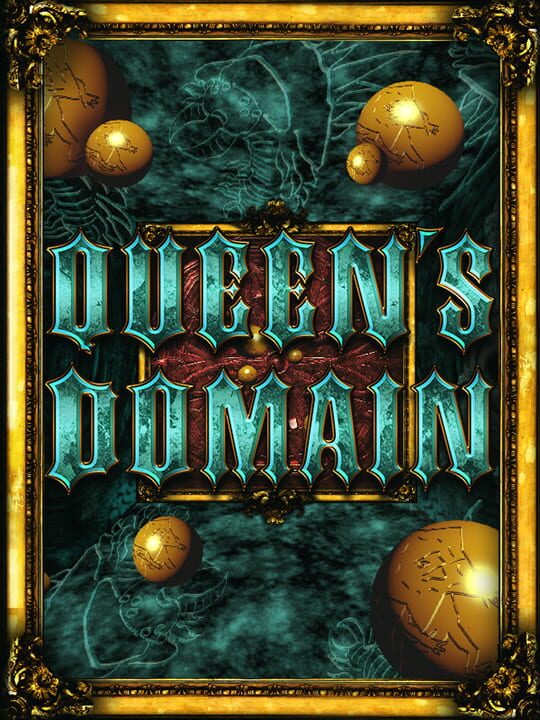
▲ Official Cover Art (Source: IGDB)
The Illusion of Confinement: From Deliberate Crawl to High-Flying Mobility
In its opening thirty minutes, Queen’s Domain presents itself with the stoic, measured cadence of a classic dark fantasy dungeon expedition. Combat is weighty and grounded, forcing you to respect enemy attack windows and environmental hazards with cautious footwork reminiscent of retro first-person classics like Lunacid. The sound design, nostalgic user interface, and haunting musical score immediately establish a sense of lonely dread, leading players to assume their boots will remain firmly planted across its gloomy masonry. However, this initial friction is entirely calculated, designed to anchor your spatial perception before pulling the rug out from beneath you.
Everything changes the moment you vanquish the first major boss encounter and claim the Holy Sword, Endu. Bestowing a supernatural mid-air dash, Endu completely shatters the game’s initial boundaries, transforming a sluggish trek into an acrobatic aerial puzzle. The contrast is as profound as earning the wall jump in landmark platformers, elevating traversal from a survival chore into an addictive movement sandbox. Suddenly, massive vaulted ceilings, broken aqueducts, and distant parapets shift from atmospheric backdrops into legitimate platforms ripe for traversal.

▲ Gameplay & Official Media (Source: IGDB)
Clockwork Architecture and Modular Weapon Synergy
The environmental design of Queen’s Domain reveals its true brilliance once aerial momentum is introduced. Rather than relying on simple linear corridors, the interconnected zones function like intricate clockwork mechanisms where high-tier paths are cunningly hidden in plain sight. Upgrading Endu with collectible resonance gems grants additional consecutive airborne dashes, allowing players to sequence-break seemingly unreachable chasms and cross entire biomes without setting foot on solid ground. The verticality echoes the labyrinthine scale of elite multiplayer raid spaces, rewarding spatial awareness and pinpoint execution.
Traversal mechanics also tie directly into the game’s expansive weapon progression system. Queen’s Domain completely bypasses traditional character stat allocation during level-ups, choosing instead to level individual weapons naturally through persistent use. Players can hotkey up to three armaments simultaneously, encouraging bespoke combat and utility setups reminiscent of classic immersive sims:
- Organic Arsenal Progression: Weapons evolve dynamically as you fight with them, altering their physical forms and unlocking secondary tactical utilities rather than demanding rigid attribute investments.
- Movement-Enhancing Off-Hands: Certain gear options provide dual-purpose benefits, such as the Caestus knuckle duster, whose upward strike serves as an improvised vertical double jump to scale high stone ledges.
- Meaningful Exploration Payoffs: Every sequence-broken cliffside and hidden alcove conceals tangible upgrades, unique weapon variants, or cryptic lore entries rather than filler currency.
- Fluid Loadout Flexibility: With a strict three-slot active hotkey limit, adapting between blunt crowd-control tools and aerial mobility catalysts creates deep tactical trade-offs.
Weighing the Dungeon Crawl: Pros and Cons
While Queen’s Domain achieves remarkable heights, its pacing demands a level of player patience that modern action enthusiasts might find jarring during their initial descent.
- Pros: Exhilarating first-person mobility that rivals the genre’s all-time greats; gorgeous retro-styled dark fantasy aesthetic; seamless weapon leveling that rewards curiosity; brilliant, vertical level architecture packed with rewarding secrets.
- Cons: Stiff opening half-hour that may cause impatient players to bounce off early; occasional visual ambiguity regarding which surfaces are climbable versus instant-kill falls; minimal hand-holding for navigational objectives.
📌 Frequently Asked Questions (FAQ)
Q. What genre of game is Queen’s Domain?
A. Queen’s Domain is a first-person action RPG that blends retro dungeon crawling aesthetics with fluid, aerial Metroidvania traversal mechanics.
Q. How does weapon progression work in Queen’s Domain?
A. Weapons level up and evolve organically through active use in combat, completely eliminating traditional character stat allocation on level up.
Q. What is the primary movement mechanic introduced early in the game?
A. Defeating the first boss rewards the player with the Holy Sword Endu, which grants an aerial dash that can be upgraded with multiple charges throughout the campaign.
Subverting Retro Nostalgia Through Movement
By subverting expectations of the retro dungeon crawler template, Queen’s Domain proves that nostalgic aesthetics do not require archaic limitations. The transition from heavy, ground-based combat to intricate airborne traversal gives exploration a rare sense of genuine progression. Instead of relying on passive stat increases, your empowerment is felt directly through physical agency and spatial mastery.
Final Pulse Score: ⭐⭐⭐⭐☆
Related Article: Metroid Dread Ending Retrospective Analysis