
Attack on Titan fans have long heralded WIT Studio as a titan of industry craftsmanship, but that reputation is currently under siege following a major controversy involving generative AI. On April 11, 2026, the studio behind the most iconic seasons of the series was forced to issue a public apology after fans spotted clear AI-generated distortions in the opening sequence of Ascendance of a Bookworm. This isn’t just a minor technical glitch; it represents a fundamental shift in how the industry treats its visual output, leaving many gamers and viewers wondering if the days of high-fidelity, hand-drawn excellence are numbered.
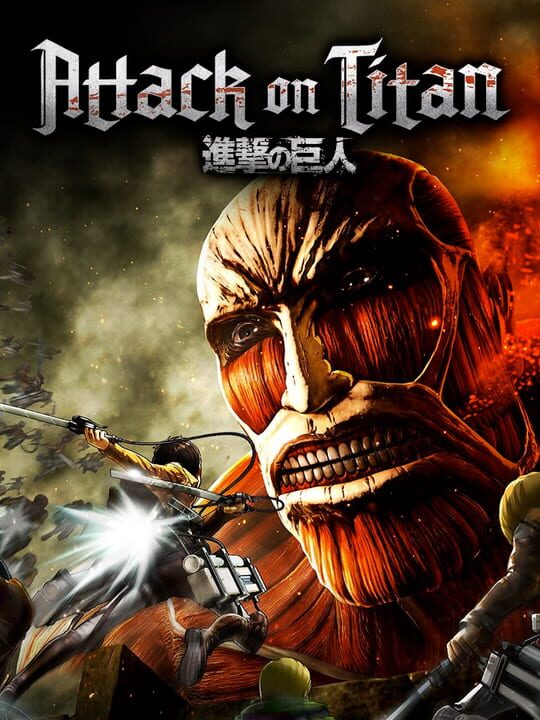
▲ Official Cover Art (Source: IGDB)
| Category | Details |
|---|---|
| Main Franchise Affected | Attack on Titan (Production History) |
| Studio in Controversy | WIT Studio |
| Specific Project | Ascendance of a Bookworm (Opening Sequence) |
| Incident Date | April 11, 2026 |
| Financial Context | 170 million yen loss (FY May 2025) |
The AI Infection: How Attack on Titan’s Creative Legacy is Under Threat
The backlash erupted almost immediately after the debut of the new season of Ascendance of a Bookworm in early April. Vigilant viewers noticed warped textures and inconsistent linework—telltale signs of generative AI tools being used to fill in gaps. While WIT Studio is pulling the sequence to replace it with a completed version, the damage to their brand integrity is significant. For a studio that built its name on the visceral, frame-by-frame intensity of Attack on Titan, the move to automate creativity feels like a betrayal of the very fans who put them on the map.
This controversy comes at a precarious time for the studio. Reports from the fiscal year ending May 2025 revealed that WIT Studio suffered a staggering loss of 170 million yen. When financial pressure mounts, studios often look for ways to cut corners, and AI tools are becoming an increasingly tempting shortcut. However, as this recent incident proves, the human eye is remarkably good at spotting when the soul of an animation has been replaced by an algorithm.
The Broader Trend: Amazon and Toei’s High-Stakes Tech Gamble
▲ Official Artwork (Source: IGDB)
WIT Studio isn’t the only player attempting to integrate these controversial tools. In late 2025, Amazon attempted to utilize AI-generated dubbing for several high-profile series, including Vinland Saga and Banana Fish. The results were widely panned by the community, as the translations lacked the emotional nuance required for such heavy narratives. Despite the pushback, Amazon doubled down by posting a search for an undisclosed AI dubbing platform in January 2026, signaling that tech giants are more interested in speed than quality.
Furthermore, Toei Animation, the powerhouse behind One Piece, recently unveiled a massive 100 billion yen ($650 million) expansion plan. While the investment sounds promising for the industry’s growth, the heavy emphasis on next-gen tech like AI and VR suggests a move toward a more automated production pipeline. If the goal is to triple IP creation, the human cost and the risk of visual degradation become major concerns for anyone who values the artistry of a series like Attack on Titan.
Why This Affects the Player and Viewer Experience
For fans of gaming and anime, this trend toward AI is more than just a boardroom decision; it directly impacts the immersion and value of the products we consume. When you watch an episode or play a game based on Attack on Titan, you expect a certain level of hand-crafted detail that conveys the high stakes of the world. AI tools currently struggle with spatial consistency and emotional weight, leading to a finished product that feels hollow and disjointed. This is especially true for the opening sequences, which are meant to be the high-budget highlights of a series.
The current working conditions in the industry are already described as pitiful, and the introduction of AI doesn’t seem to be helping the creators. Instead of alleviating the workload, it is being used to increase output demands, leading to the visual mess we saw this month. According to a report by Polygon, the pressure to satisfy global demand is reaching a breaking point where quality control is being sacrificed for release consistency.
Pulse Gaming Perspective: Attack on Titan fans deserve better than automated shortcuts
The use of generative AI in animation is a slippery slope that prioritizes quantity over the artistic soul of the medium. If a prestigious house like WIT Studio can’t maintain quality without AI assistance, it signals a systemic failure in how we value animators’ time and talent. Fans shouldn’t have to settle for distorted visuals in exchange for faster release cycles.
The industry is at a crossroads where it must decide if it will remain a medium of artistic expression or become a factory for AI-generated content. For now, the pushback from the Attack on Titan community shows that the audience is not ready to accept lower standards. about how technical shifts are changing your favorite franchises.
As WIT Studio scrambles to fix its latest mistake, the message from the fans is clear: we value the artist, not the machine. Whether other studios will heed this warning or continue to chase the efficiency of AI remains the biggest question of 2026.
Final Pulse Score: 3.5 / 10