
When players traverse the ruined streets of post-apocalyptic Castle Town after Link awakens from his seven-year slumber, the tonal shift remains one of the most haunting moments in video game history. The Nintendo Switch 2 release of The Legend of Zelda: Ocarina of Time leans hard into that foundational melancholy, enhancing atmospheric details that remind adventurers of the cost extracted by Ganondorf. Yet amidst the unsettling gloom and zombie-filled alleyways, the development team introduced an intentional narrative pivot that corrects a decades-long tragedy. Richard, the beloved white dog belonging to Mamamu Yan, is no longer an implied casualty of the kingdom fall, offering veteran fans a surprisingly heartwarming environmental update.
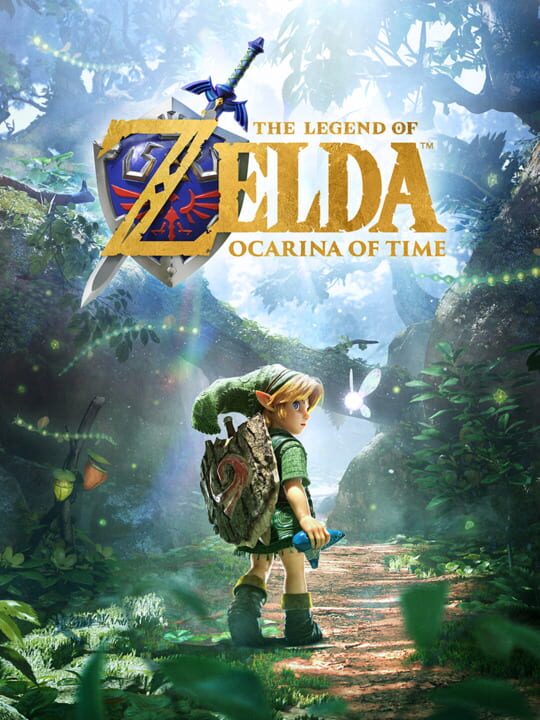
▲ Official Cover Art (Source: IGDB)
A Darker Hyrule Meets an Unexpected Beacon of Hope
The original narrative design of The Legend of Zelda: Ocarina of Time established a clear line between the innocence of childhood and the harsh realities of adulthood. As child Link, visiting Castle Town meant interacting with eccentric citizens, playing mini-games, and engaging in lighthearted side quests such as tracking down Mamamu Yan runaway pet during the evening hours. Returning to the exact same square as an adult stripped all levity away, replacing vibrant townsfolk with screeching ReDeads and desolate stone ruins. While several surviving citizens managed to seek refuge within the quiet fences of Kakariko Village, the fate of domestic animals was left grimly unstated or outright tragic.
In prior iterations of the adventure, including the Nintendo 3DS version, speaking to Mamamu Yan in future Kakariko Village revealed dialogue written strictly in the past tense. She mourned her prized canine companion, effectively confirming that Richard had perished when the castle market collapsed. This small detail deepened the emotional scar of Link failure to protect the capital, demonstrating that even innocent creatures could not escape the reign of terror. In this faithful remake, however, that somber chapter receives a deliberate revision that completely changes the emotional texture of Kakariko Village.
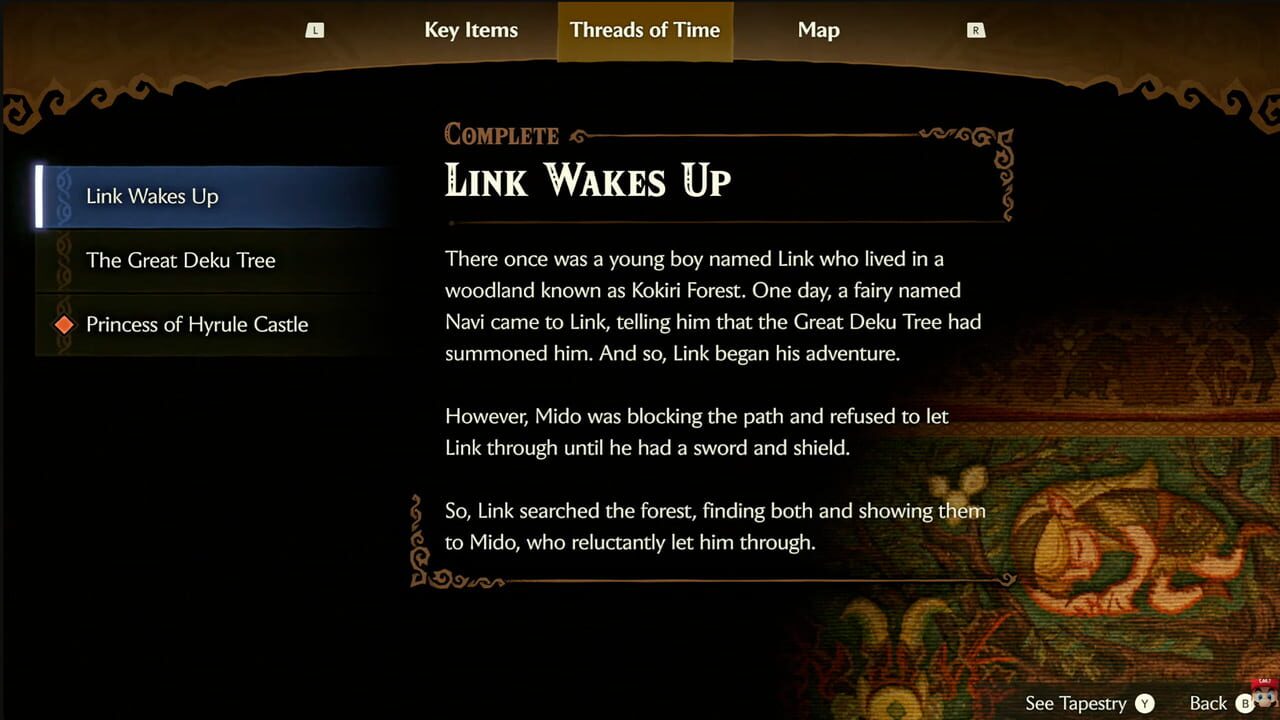
▲ Gameplay & Official Media (Source: IGDB)
Structural Environmental Comparison: Past Lore Versus the Modern Remake
Rather than standing alone reminiscing about a bygone companion, Mamamu Yan now shares her relocation space with Richard himself. Players exploring the daylight streets of Kakariko Village will immediately spot the energetic pup happily trotting alongside his owner, completely intact and visibly thriving despite the upheaval across the realm. Furthermore, nighttime exploration confirms that Richard remains safely nestled beside his mistress, suggesting that the wandering dog finally learned his lesson after the chaos in Castle Town. The dialogue tree reflects this survival, with Mamamu Yan effusively praising Richard virtues without any melancholic references to lost pets or departed lineage.
This narrative adjustment speaks volumes about how environmental storytelling can be refined without breaking world consistency. Consider the specific thematic and structural shifts implemented across the timeline:
- Original and 3DS Release Narrative: Mamamu Yan mourns alone in Kakariko Village, speaking of Richard in the past tense and underscoring the total devastation of Castle Town domestic life.
- Modern Switch 2 Remake Direction: Richard physically accompanies Mamamu Yan into adulthood, demonstrating that select evacuees managed to successfully lead their companions to safety.
- Day and Night Behavioral AI: Richard runs freely during daytime hours in Kakariko and remains securely stationed near shelter at night, contrasting his aimless wandering in the past.
- Tonal Balance: Serves as an intentional narrative oasis, offsetting the intensified horror elements found within the bottom of the well and the adult market square.
Why Small Environmental Details Resonate With Longtime Players
While mechanical revisions and graphical fidelity often dominate discussions around modern remakes, environmental subtleties frequently dictate emotional longevity. The Legend of Zelda: Ocarina of Time is renowned for harboring subtle tragedies, from the displacement of the Kokiri to the somber melodies echoing across dying provinces. Giving players a clear confirmation that Richard escaped the purge does not dilute the overarching stakes; instead, it provides necessary contrast. A world defined entirely by relentless misery risks numbing the player, whereas isolated moments of preserved innocence make the surrounding darkness far more potent.
For dedicated enthusiasts who spent decades scouring every corner of Hyrule with the Mask of Truth, these small adjustments demonstrate immense reverence for the source material. The developers understood that players remembered the quirky dog quest from 1998 with deep affection. By deliberately sparing Richard, the team delivered a gentle reward to those who pay close attention to secondary NPC arcs, proving that a faithful reconstruction of The Legend of Zelda: Ocarina of Time can still present uplifting surprises.
📌 Frequently Asked Questions (FAQ)
Q. Who is Richard in The Legend of Zelda Ocarina of Time?
A. Richard is Mamamu Yan prized white dog, originally encountered in Castle Town during Link childhood era, who plays a central role in a night-time side quest.
Q. What happened to Richard in the original and 3DS versions of Ocarina of Time?
A. In older releases, Mamamu Yan relocated to Kakariko Village in the adult era and spoke of Richard in the past tense, heavily implying the dog died during the destruction of Castle Town.
Q. How does the Nintendo Switch 2 remake alter Richard fate?
A. In the remake, Richard successfully survives the seven-year time jump and is seen happily roaming Kakariko Village alongside Mamamu Yan.
Subtle Micro-Storytelling Strengthens Classic Remake Identity
Adjusting Richard survival status represents a masterful stroke of secondary world-building that rewards observational play without disrupting the canon. By contrasting the terrifying horrors of adult Hyrule with small victories of survival, the developers elevate the emotional spectrum of the adventure. It reinforces that world design thrives on dynamic tonal balance rather than one-dimensional despair.
Final Pulse Score: ⭐⭐⭐⭐⭐
Related Article: Zelda Ocarina of Time Remake ReDead Horror Tweaks
Related Article: Zelda Ocarina of Time Remake Metacritic Score