
Afterworld marks a massive creative departure for Paradox Development Studio, delivering their first non-historical grand strategy setting in over a decade. Stepping away from feudal dynasties and historical battlefields, this ambitious title thrusts players into a procedural, ruined North America where fractured survivor tribes battle for supremacy. Drawing atmospheric grit from wasteland survival classics rather than retrofuturistic nostalgia, the project promises deep systemic simulation where cultural survival is just as critical as raw military conquest.
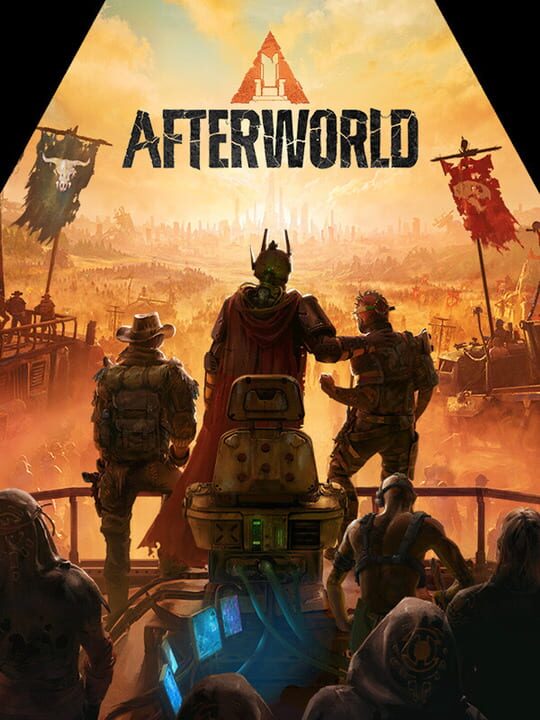
▲ Official Cover Art (Source: IGDB)
| Developer | Paradox Development Studio |
| Publisher | Paradox Interactive |
| Genre | Post-Apocalyptic Grand Strategy |
| Setting | Procedural North American Wasteland |
| Core Mechanics | Origin Traumas, Dynamic Relocation, Ideas Tech System |
| Multiplayer Modes | Co-op and PvP Support |
| Release Window | Coming Soon |
A Broken Continent Built on Formative Traumas
Rather than starting with an established empire, Afterworld forces players to define their faction through a series of origins, prologues, and formative Traumas. These background choices establish initial resource allocations, ideological leanings, and societal vices, such as emerging from deep fallout shelters with a taste for cannibalism and vulnerable to political demagoguery. The game world is fully procedural and shrouded in fog of war, ensuring that every campaign map presents unique logistical challenges across ruined highways and desolate scrublands.
Survival demands continuous territorial adaptation rather than rigid urban expansion. Unlike traditional strategy games where initial settlements remain permanent capitols, tribes in Afterworld must frequently pack up and relocate across regional zones in response to resource scarcity, radiation, and hostile incursions. Foraging for fuel, water, and food dictates early expansion, while discovering pre-Fall technology caches provides game-changing advantages that could either secure civilization or trigger another cataclysm.
Systemic Evolution and Societal Cults in Afterworld
Technological advancement in Afterworld ditches rigid historical trees in favor of an organic Ideas system. As scouting parties traverse hazardous terrain or encounter ancient infrastructure, environmental triggers inspire breakthroughs; for instance, crossing river networks can prompt wasteland marauders to conceptualize agricultural irrigation. These contextual discoveries feed into extensive technology branches, enabling survivor clans to repurpose remnants of the old world alongside makeshift post-apocalyptic innovations.
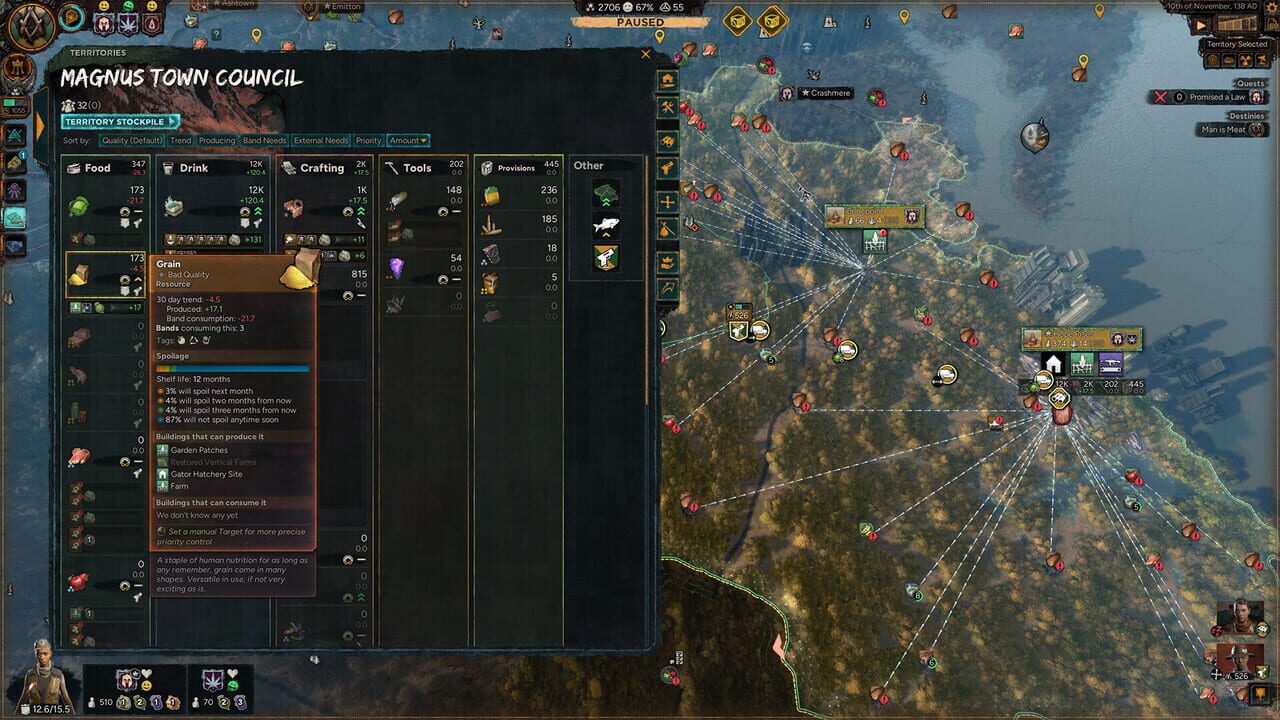
▲ Gameplay & Official Media (Source: IGDB)
Internal faction management goes far beyond moving generic military units across a map. Players cultivate detailed social customs, legal frameworks, and bizarre religious dogmas ranging from technological cults to strict democratic communes. Named characters with distinct tactical stats can lead warbands or hold tribal office, while individual citizens possess agency to accept or reject emerging orthodoxies. Clashing cultural mythologies create volatile diplomatic friction, forcing you to navigate complex trade negotiations and vassal relationships with rival warlords.
Grand Conquest and Multiplayer Warfare
The overarching strategic objective tasks leaders with uniting disparate tribes under a single banner to forge a new continental power. However, managing sprawling supply chains across lawless territories introduces severe logistical penalties that threaten to collapse fragile coalitions from within. Alongside its deep single-player sandbox, the title features full cooperative and competitive multiplayer modes, allowing survivor bands to coordinate wasteland empires or engage in ruthless territorial wars across the ruins of America.
Afterworld transforms Paradox grand strategy by combining dynamic relocation with deep ideological simulation.
By replacing static map painting with desperate nomadic logistics and emergent technological triggers, the game revitalizes the post-apocalyptic subgenre. The interplay between customized tribal Traumas and volatile internal religious schisms guarantees intense emergent storytelling across every procedural campaign.
Final Pulse Score: 8.8 / 10