
Alice: Madness Returns stands as one of the most distinctive titles in the action-adventure genre, yet its journey through production was a battlefield of creative vision versus corporate mandates. In a series of recent reflections shared on social media, director American McGee has pulled back the curtain on the friction between developer Spicy Horse and publisher Electronic Arts (EA). These revelations provide a rare look at how a cult classic survived attempts to transform its psychological horror into something far more generic and sexualized.
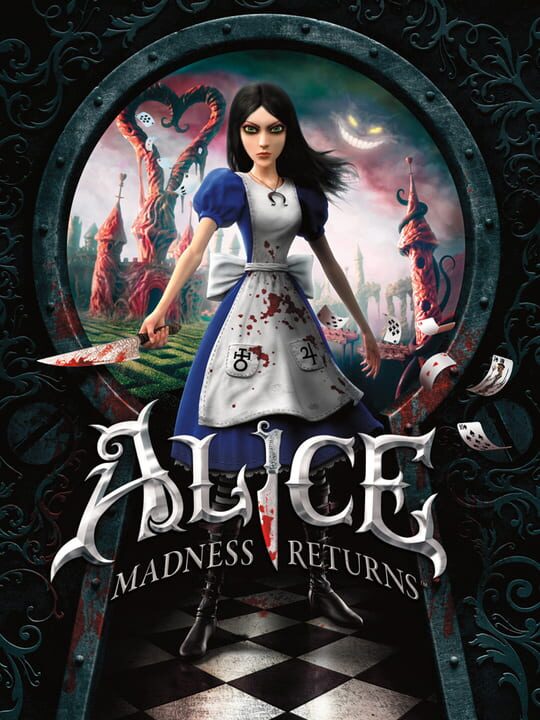
▲ Official Cover Art (Source: IGDB)
The core of the controversy stems from EA’s desire to market the game as a Hard M title that leaned heavily into gore and a stereotypical psychotic portrayal of the protagonist. However, the most jarring request involved making the game more sexy. For a title built on the foundations of childhood trauma and psychological exploration, this request felt fundamentally disconnected from the source material. McGee’s resistance to these changes wasn’t just vocal; it was highly creative and intentionally absurd.
| Feature | Details |
|---|---|
| Game Title | Alice: Madness Returns |
| Developer | Spicy Horse Games |
| Publisher | Electronic Arts (EA) |
| Original Release | June 14, 2011 |
| Key Platforms | PC, PlayStation 3, Xbox 360 |
The Creative Protest: From Sexy to Snail Dildos
When the request to increase the sex appeal of Alice: Madness Returns reached Spicy Horse in Shanghai, McGee responded with a move that has now entered gaming lore. He famously pasted phallic objects onto the head of a giant snail and sent the render to the EA marketing team. This act of malicious compliance served its purpose immediately, as the marketing team promptly stopped their requests for sexualized content. It highlights a recurring theme in AAA development where developers must resort to extreme measures to protect the thematic integrity of their work.
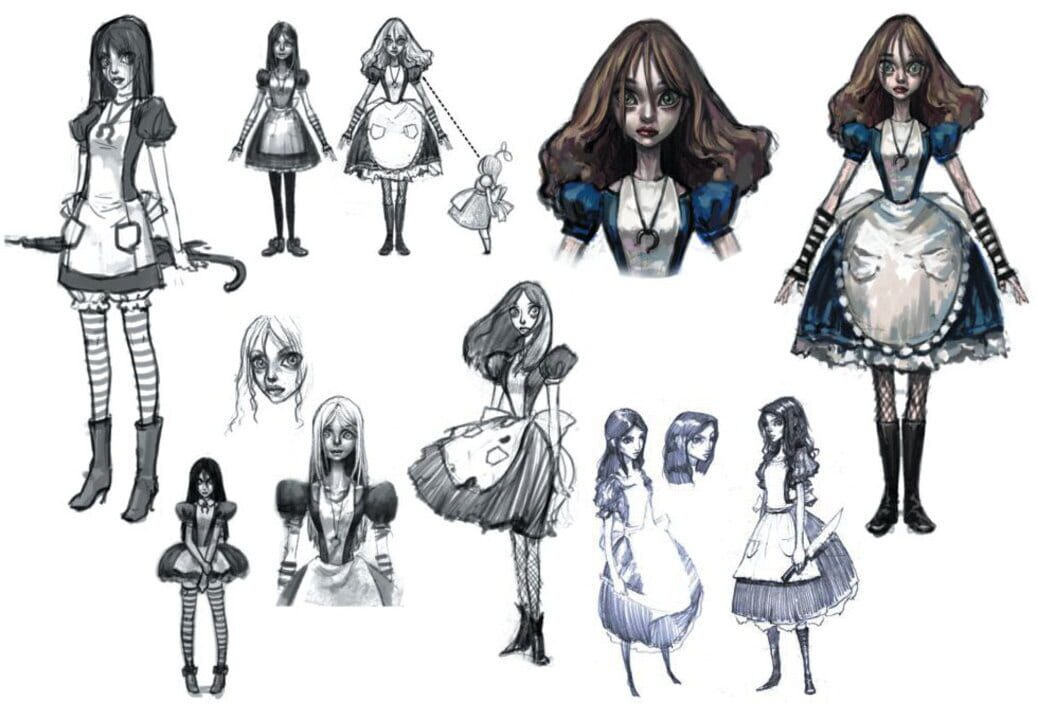
▲ Official Artwork (Source: IGDB)
McGee clarifies that he was in a unique position to push back because the project was bond-financed by a Los Angeles bank rather than being directly funded by EA. This financial structure meant that as long as Spicy Horse stayed on schedule and within budget, they maintained creative control. It is a rare example of a developer having the leverage to tell a major publisher to back off, leading to the preservation of the game’s unique, grim aesthetic that fans still celebrate in 2026.
Spite and the Lack of Final Polish
Despite the creative victories, the relationship with EA ended on a sour note. According to McGee, the team requested a mere 30 to 60 additional days to polish the game before its June 2011 launch. EA refused this request, a move McGee attributes to spite following the team’s refusal to adhere to marketing’s creative demands. This lack of final polish likely contributed to the mixed critical reception at the time, with many reviewers pointing out technical inconsistencies that held the game back from its full potential.
The historical significance of the game cannot be overstated. Alice: Madness Returns was the first AAA game fully developed by a Chinese team and the first to utilize bond financing in the region. This independent spirit allowed the game to maintain its soul, even if the final product suffered from a rushed release schedule. The legacy of the game continues to influence dark fantasy titles today, proving that a strong creative vision can outlast short-term marketing trends.
For players revisiting the title or discovering it for the first time on modern platforms, understanding this conflict adds a layer of appreciation for the art design. Every shadow and every twisted creature in Wonderland was a deliberate choice made in defiance of corporate interference. The fact that the franchise remains dormant despite various attempts at a third entry or a television adaptation is a testament to how difficult it is to replicate this specific brand of dark storytelling without the original creative spark.
Pulse Gaming Perspective: Alice: Madness Returns is a Case Study in Creative Integrity
The revelation that EA wanted to sexualize Alice confirms our long-standing suspicion that corporate suits often misunderstand what makes a cult hit work. By weaponizing absurdity through the snail incident, American McGee saved the game from becoming a forgotten piece of late-2000s edginess. It is a reminder that the best games are often those where the developers fought the hardest against their own publishers.
As we look back at the industry’s history from our current vantage point in 2026, the story of Alice: Madness Returns serves as both a warning and an inspiration for indie and AA developers working with major labels. While the game may not have received a sequel, its survival as a pure vision of dark fantasy is a victory in itself. For more deep dives into classic gaming history and development secrets, visit the official Alice archives at IGN.
The industry has changed significantly since 2011, but the tension between art and commerce remains constant. American McGee’s willingness to share these stories provides essential context for the technical flaws that fans have forgiven for over a decade. The game remains a unique pillar of its era, defined as much by what it refused to be as by what it became.
Final Pulse Score: 8.5 / 10