
Bergfried is stepping into the competitive medieval strategy arena with a highly granular approach to castle construction and tactical defense. Instead of relying on rigid, pre-fabricated structures that limit creative freedom, this upcoming title empowers players to design their strongholds from the ground up. Combining the intricate management of a city builder with the high-stakes tension of a real-time strategy game, it challenges players to establish a thriving settlement while preparing for inevitable sieges by rival knights.
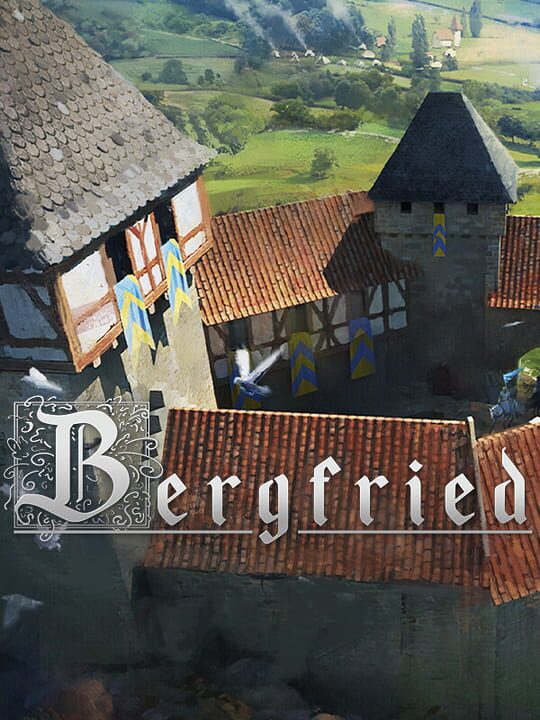
▲ Official Cover Art (Source: IGDB)
| Developer | To Be Announced |
| Genre | City Builder / RTS Hybrid |
| Platform | PC (Steam) |
| Release Date | To Be Announced |
| Playtest Status | Signups Available |
The Granular Mechanics of Historical Castle Construction in Bergfried
What sets Bergfried apart from traditional city builders is its focus on structural authenticity and player freedom. The development team has designed a unique building grid that successfully captures the irregular, sprawling shapes of historical European castles from the high and late Middle Ages. Rather than forcing layout designs into perfect right angles, the game encourages players to embrace natural topography and organic curves, creating defensive systems that look and feel like genuine historical fortresses.
Players must carefully plan every element of their stronghold, from the height of the stone walls to the placement of critical watchtowers. This detailed building phase directly feeds into the economic simulation, as the surrounding town must be structured to support the castle’s upkeep. Managing peasant workflows, gathering essential raw materials, and establishing reliable supply chains are crucial to funding expansion projects and keeping the garrison well-equipped for impending conflict.
Tactical Real Time Defense and Unit Control
Building a magnificent fortress is only half the battle in Bergfried, as rival factions will eventually march on your gates. The real-time strategy combat engine shifts the focus from macro-management to tight tactical positioning. Players must station archers along parapets, block narrow chokepoints with heavy infantry, and respond dynamically to the enemy’s siege engines. The physics of the castle layout directly dictate defensive success, making your architectural decisions a matter of life and death.
Unlike many RTS games that limit control to massive, generalized squad formations, this title allows for highly specific unit commands. Players can direct individual knights to execute key battlefield tasks, such as sealing a broken gatehouse or holding a specific staircase. This level of granular control adds a layer of heroic, micro-intensive gameplay to the chaotic siege warfare, rewarding players who can read the flow of battle and adjust their defensive lines on the fly.
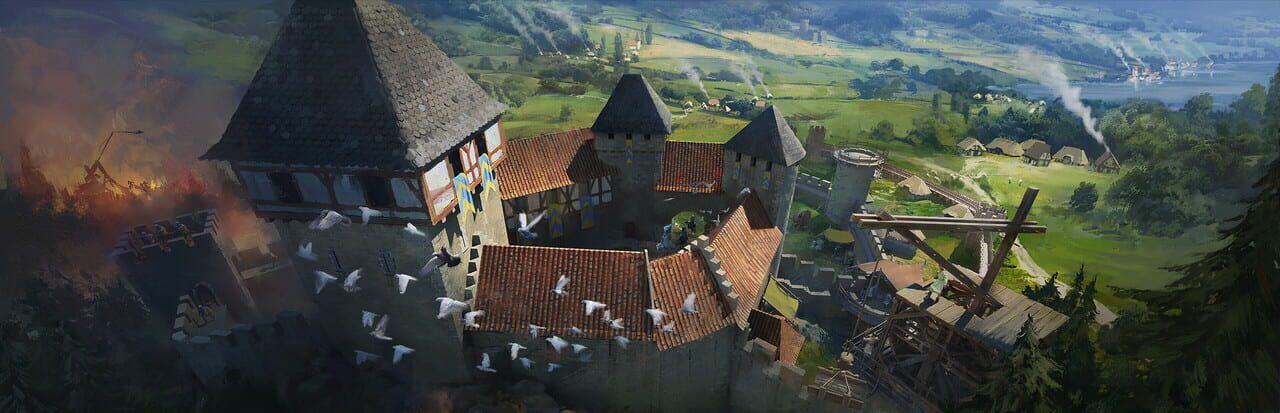
▲ Official Artwork (Source: IGDB)
Future Development and Playtest Opportunities
Currently, Bergfried does not have a confirmed launch window, but the development process is moving forward with community participation at its core. Players who want to test the building tools and combat mechanics firsthand can register for upcoming closed playtests. Gathering community feedback early in the cycle will be vital for fine-tuning the balance between the peaceful economy management and the punishing difficulty of the defensive siege phases.
Strategists eager to keep a close eye on the game’s progress can already add the title to their wishlist on Steam. As the team refines the core gameplay loop, the combination of organic castle construction and precise unit micromanagement positions this indie project as a highly anticipated entry for medieval strategy enthusiasts.
Bergfried Challenges Strategy Norms with Irregular Historical Grid Layouts
By moving away from traditional grid-based construction, the game introduces a layer of spatial problem-solving that directly impacts defensive military strategy. Players cannot rely on repetitive, optimized layouts, forcing them to adapt to terrain and craft bespoke defensive strategies for every single build. This mechanical synergy between freeform architecture and real-time tactical defense could redefine the modern castle-building subgenre.
Final Pulse Score: 8.2 / 10