
Black Ops 7 has taken a bold step backward to move the franchise forward with the introduction of the Black Ops Classic playlist. This new addition, arriving with the launch of Season 4, serves as a direct response to the community exhaustion with the hyper-kinetic movement systems that have defined recent entries. For years, the franchise has trended toward increasing speed, incorporating complex mechanics like slide canceling and wall jumping that often alienate the veteran player base. The Black Ops Classic playlist strips away these modern layers, offering a refined experience that prioritizes tactical positioning and traditional gunplay over athletic maneuvers.
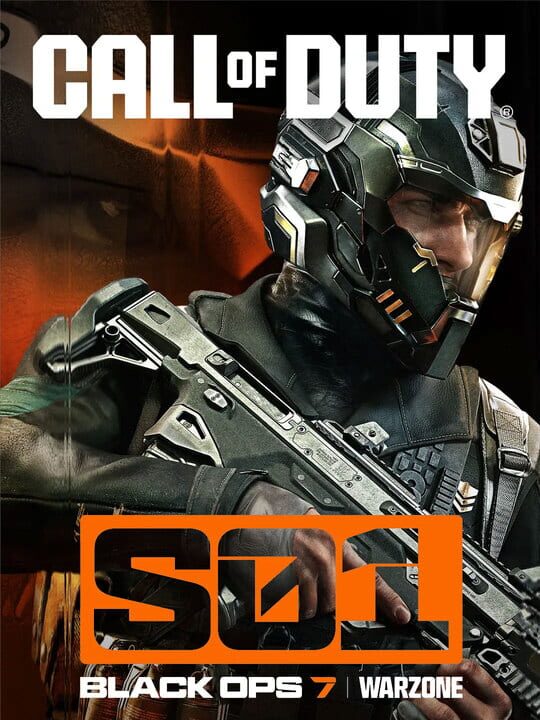
▲ Official Cover Art (Source: IGDB)
| Update Category | Seasonal Content Update |
| Featured Playlist | Black Ops Classic |
| Movement System | Traditional Boots on the Ground |
| Map Rotation | Remastered Legacy Maps |
| Restricted Features | Omnimovement and Overclocks |
| Confirmed Modes | TDM Domination Hardpoint Kill Confirmed |
The Mechanical Impact of Black Ops 7 Classic Mode
The core appeal of this update lies in the complete deactivation of the omnimovement system. In the standard Black Ops 7 experience, players are expected to master 360-degree movement, which includes high-speed sliding and omnidirectional sprinting. While these features appeal to a younger demographic raised on high-mobility shooters, they often result in a chaotic meta where map flow is secondary to individual dexterity. By disabling these features, the Classic playlist restores the importance of the three-lane map design philosophy. Players can no longer rely on a quick slide to escape a poorly chosen engagement, making every corner turn and sightline more significant.
This shift in movement speed also affects the efficacy of various loadouts. Without the ability to wall jump or rapidly close distances via omni-sprints, mid-range engagements become more frequent. The game feels more deliberate, allowing for strategic setups that have been missing from the franchise for nearly a decade. The removal of Overclocks and combat specialties further levels the playing field, ensuring that matches are decided by fundamental skills like recoil control and map awareness rather than a perfectly timed ability cooldown.
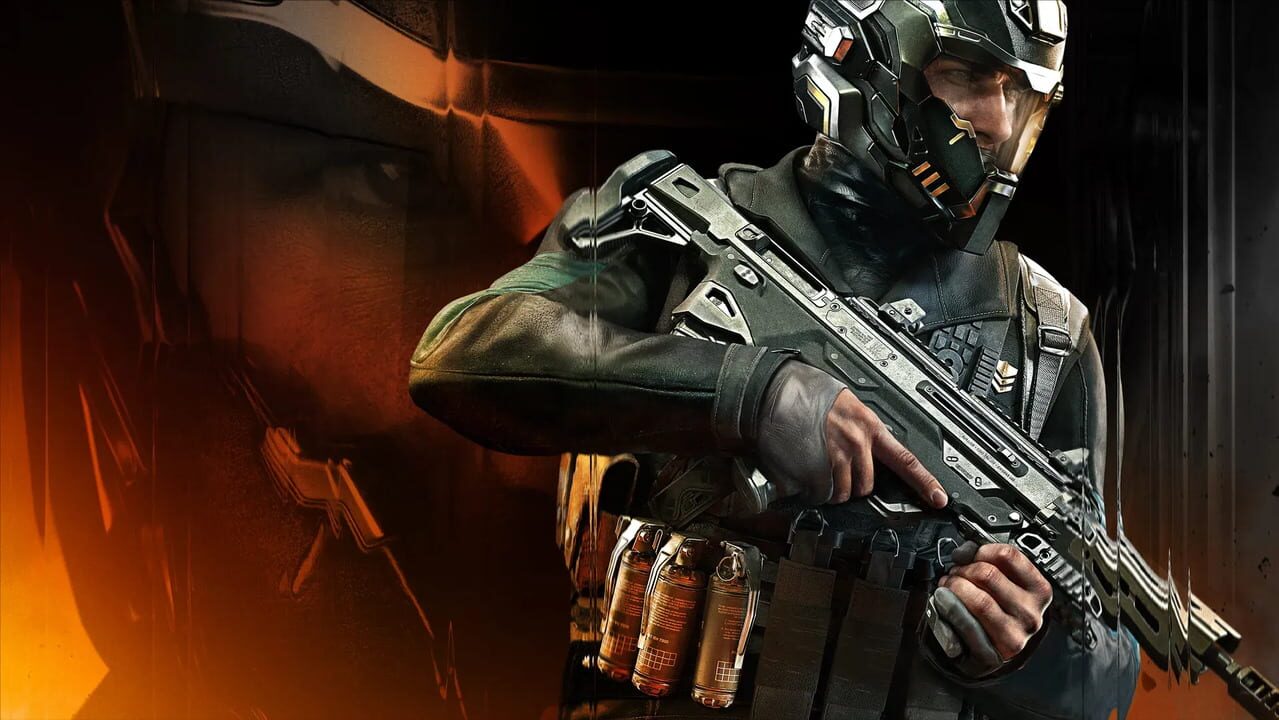
▲ Official Artwork (Source: IGDB)
Reviving Iconic Environments within Black Ops 7
The playlist is not just a change in mechanics but a curated tour through the history of the series. By populating the rotation with remastered versions of legendary maps like Firing Range, Raid, and Summit, the developers have ensured that the environments match the slower pace of the gameplay. These maps were originally designed for a boots-on-the-ground experience, and they shine under these specific constraints. In the modern era, these layouts often feel too small or easily exploited by high-mobility players, but within the Classic playlist, they regain their status as perfectly balanced tactical arenas.
Integrating these legacy maps into Black Ops 7 provides a stark contrast to the newer, more vertical maps found in the base game. It highlights how much the fundamental design philosophy of the series has shifted over twenty years. While the newer maps cater to the frantic energy of contemporary multiplayer, the remastered classics provide a necessary sanctuary for those who prefer the methodical pacing of the late 2000s. The limited mode selection—Team Deathmatch, Domination, Hardpoint, and Kill Confirmed—further reinforces this focus on the core competitive experience without the clutter of experimental game types.
A Glimpse into the Future of Remasters
The arrival of this mode coincides with a surge of activity regarding the potential preservation of older titles. Data appearing in digital storefronts suggests that standalone remasters of the original Black Ops and its sequel may be on the horizon. While the recent summer showcases passed without an official reveal, the inclusion of the Classic playlist feels like a sophisticated test case for the appetite for traditional gameplay. The overwhelming praise from the community suggests that there is a massive market for a slower, more tactical shooter that doesn’t sacrifice the high-fidelity presentation of current-generation hardware.
Players have already voiced their desire for this playlist to become a permanent fixture rather than a rotating seasonal event. The sentiment reflects a broader trend in the industry where legacy content is becoming as valuable as new innovations. If the rumors regarding full remasters prove true, Black Ops 7 has effectively served as the bridge between the franchise’s experimental present and its beloved past. For now, the community is enjoying a rare moment where the gameplay feels exactly as it did during the peak of the console shooter boom.
Black Ops 7 demonstrates that franchise longevity requires respecting mechanical heritage as much as pursuing innovation
The success of the Classic playlist reveals a significant divide in the player base between movement-focused enthusiasts and tactical traditionalists. By segregating these experiences into a dedicated mode, the developers have found a way to satisfy both groups without compromising the core identity of the main game. This approach should serve as a blueprint for future live-service titles looking to balance a decade of mechanical evolution with the expectations of a multi-generational audience.
Final Pulse Score: 9.0 / 10
Related Article: Call of Duty Black Ops 7 Classic Mode Analysis