
Crimson Desert arrived on March 19, 2026, bringing with it a massive open world and a controversy that continues to simmer beneath its polished surface. While many players are currently lost in the sprawling landscapes of Pywel, a cloud of skepticism remains following the discovery of AI-generated assets within the game. For a title that positions itself as a premium, handcrafted epic, the inclusion of generative ‘placeholders’ has sparked a fierce debate about developer transparency and the future of creative integrity in gaming.
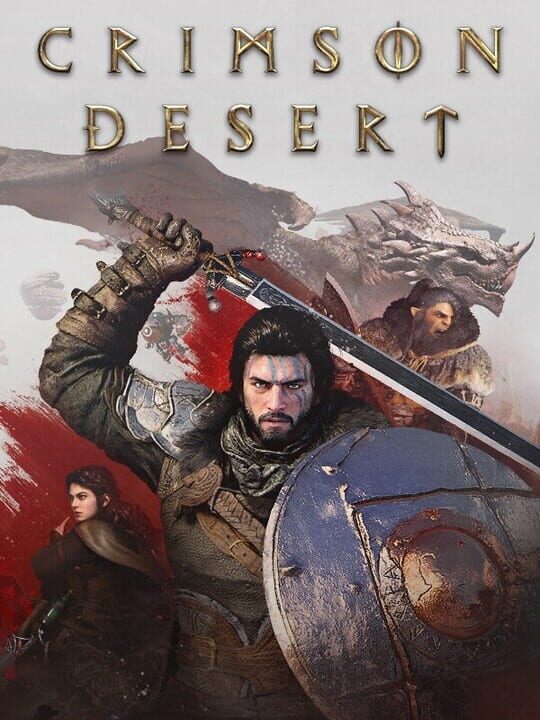
▲ Official Cover Art (Source: IGDB)
| Feature | Details |
|---|---|
| Game Title | Crimson Desert |
| Developer | Pearl Abyss |
| Release Date | March 19, 2026 |
| Total Sales | Over 2 Million Units |
| Platform Issues | PS5 Blurry Graphics, Storage Clutter |
The Crimson Desert AI Assets and Launch Issues
The launch of Crimson Desert was far from seamless, as early adopters on PlayStation 5 reported significant graphical blurring and a frustrating storage system that hindered the flow of exploration. However, these technical hurdles were quickly overshadowed when players spotted bizarre, AI-generated imagery, including the now-infamous six-legged horses. Pearl Abyss initially remained silent before admitting that these were ‘placeholder’ assets unintentionally left in the final build, a move that necessitated an immediate patch and an update to their Steam disclosure page.
This situation has left a lingering ‘twinge of doubt’ for many hardcore RPG fans who value immersion above all else. When you are traversing a world as beautiful as Pywel, the suspicion that a line of dialogue or a background texture might be the product of an algorithm rather than an artist’s hand can be jarring. While the developers have since conducted a comprehensive audit to scrub these remnants, the psychological impact on the player base remains a significant part of the game’s early legacy.
The Growing Precedent of AI in the Gaming Industry
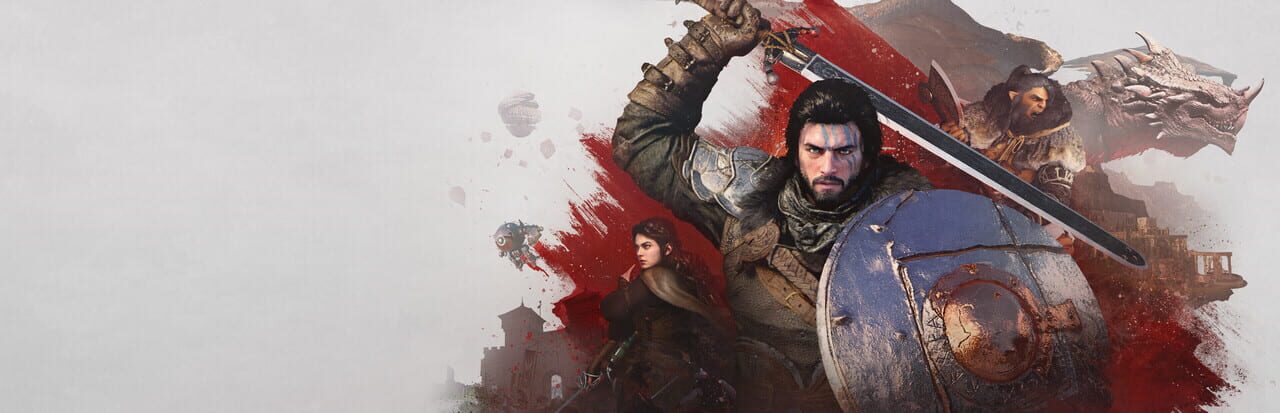
▲ Official Artwork (Source: IGDB)
To understand why the Crimson Desert situation is so polarizing, one must look back at the industry events of late 2025. Sandfall Interactive’s Clair Obscur: Expedition 33 faced a similar scandal when it was revealed that generative AI was used despite initial denials, leading to the revocation of several prestigious indie awards. Despite these controversies, Expedition 33 continued to receive nominations at the 22nd Annual BAFTA Games Awards, suggesting that the industry at large is still struggling to define its moral boundaries regarding AI tools.
The economic incentive for studios to adopt these tools is undeniable, as they offer a way to cut costs and speed up development cycles. However, as noted in the official GameSpot review, a game’s soul often comes from its imperfections and the deliberate choices made by human creators. When studios prioritize the bottom line over artistic transparency, they risk alienating the very fans who support their massive projects.
Gameplay vs. Ethics: The Player’s Moral Conundrum
Beyond the ethical debate, Crimson Desert offers a mechanically dense experience that bridges the gap between the freedom of Breath of the Wild and the narrative structure of modern Assassin’s Creed titles. For most players, the fun factor of combat and exploration outweighs the ‘AI scandal,’ as evidenced by the game’s strong sales performance of over 2 million copies. Yet, for the enthusiast community, the environmental impact of training Large Language Models and the potential for stolen intellectual property remain concerns that cannot be ignored.
Even industry titans like Larian Studios have navigated these murky waters, with CEO Swen Vincke clarifying that any AI usage in their future projects like Divinity would only utilize training data they 100% own. This level of caution stands in stark contrast to the ‘oops, it was an accident’ defense seen in the Crimson Desert fallout. It suggests a future where gamers will have to choose between developers who prioritize ethical asset creation and those who lean into the efficiency of generative algorithms.
Pulse Gaming Perspective: Crimson Desert Proves That AI is the New Industry Poison
While Pearl Abyss has managed to save the gameplay experience with rapid patches, the trust between the developer and the community has been damaged. For Crimson Desert, the ‘placeholder’ excuse feels like a convenient shield for cost-cutting measures that tarnish an otherwise stellar 2026 release. If we continue to reward this lack of transparency with our wallets, we are essentially signaling that handcrafted art is no longer a requirement for GOTY contention.
As we move further into 2026, the long-term success of Crimson Desert will depend on how Pearl Abyss manages future content updates and whether they can regain the full confidence of their audience. The game remains a ‘solid 7/10’ for many, but the conversation surrounding it will likely be dominated by its role in the AI revolution for years to come. to stay updated on the latest Pywel patches and industry shifts.
Final Pulse Score: 7.2 / 10