
Dragon Quest VII Reimagined has offered a profound look into its development history through a newly released 10-minute documentary featurette. This deep dive into the creative process provides players with a rare glimpse into how one of the most massive JRPGs in history was modernized for contemporary hardware. For a game known for its incredible length and complex vignette-based storytelling, the transition to modern systems like the PlayStation 5 and Switch 2 was no small feat.
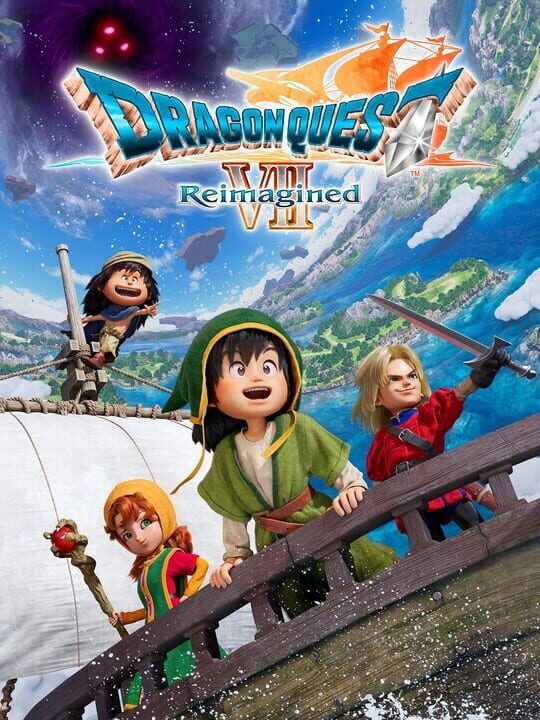
▲ Official Cover Art (Source: IGDB)
| Feature | Details |
|---|---|
| Game Title | Dragon Quest VII Reimagined |
| Key Developers | Takeshi Ichikawa, Masato Yagi, Sayaka Takagi |
| Available Platforms | PS5, Xbox Series, Switch 2, Switch, PC |
| Official Links | Steam Store / Microsoft Store |
The Structural Hurdles of Dragon Quest VII Reimagined
Developing Dragon Quest VII Reimagined required a delicate balance between preserving the original’s slow-burn atmosphere and satisfying the demands of modern players. Producer Takeshi Ichikawa and Director Masato Yagi highlighted the immense difficulty of reworking the game’s core architecture while maintaining its identity. The original was famous for its Fragment system, which forced players to hunt for stone pieces to rebuild the world, a mechanic that could easily feel dated without careful adjustment.
The team focused heavily on ensuring that the pacing felt right for 2026 audiences who expect more immediate feedback loops. While the original was notorious for its long intro, this reimagined version streamlines the experience without losing the sense of wonder that comes from discovering a new continent. The high-fidelity visuals now available on the Switch 2 and PC allow for much more expressive character movements, making the emotional stakes of each vignette hit much harder than they did in the pixel-art era.
Modernizing a Legend for All Platforms
Sayaka Takagi, the scenario writer, emphasized that the emotional weight of each island’s story had to remain intact, even as the visuals were completely overhauled. By refining the dialogue and environmental storytelling, the team managed to make each isolated community feel distinct and alive. This approach ensures that players feel the weight of their actions as they restore history across the shattered world map.
Navigating the Complexity of Dragon Quest VII Reimagined
The creative leads shared that their primary goal was to ensure fans felt a sense of fresh discovery within a familiar framework. By reimagining the world of Eden, the developers aimed to make the isolated islands feel more interconnected through updated dialogue and visual cues. This version of the game is not just a visual upgrade; it is a fundamental rethinking of how a classic RPG can exist in the current gaming ecosystem across PlayStation 5 and Xbox Series consoles.
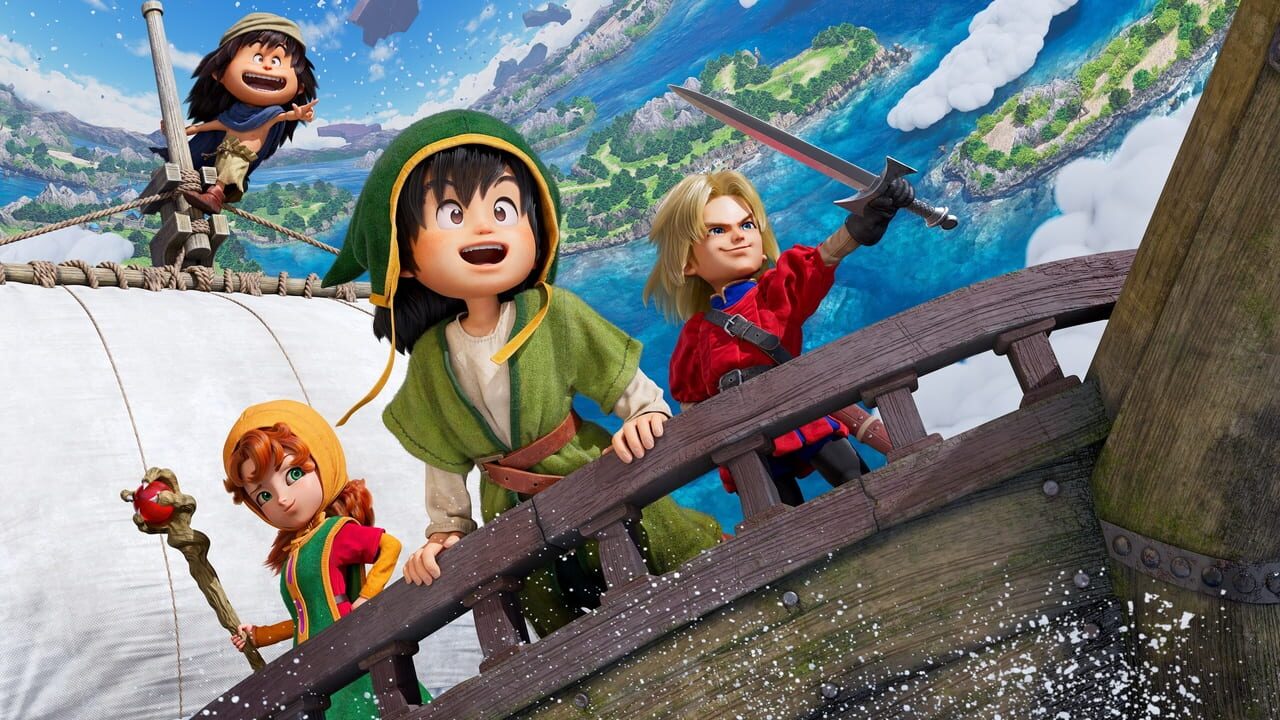
▲ Official Artwork (Source: IGDB)
In the current meta where player time is at a premium, Dragon Quest VII Reimagined succeeds by respecting the player’s investment through better UI and navigation tools. The making-of video clarifies that the difficulty was never about making the game easier, but about making it more intuitive for the player. This philosophy is evident in the refined combat animations and the tactical depth provided by the job system, which feels more rewarding than ever on modern controllers.
Ultimately, the developers hope that fans take away a sense of accomplishment from completing such a monumental journey. The project serves as a bridge between the classic JRPG design philosophy and the expectations of a new generation. With the game currently available on all major platforms, this inside look serves as a perfect companion piece for those currently lost in its expansive world.
[Dragon Quest VII Reimagined Proves That Pacing is the Ultimate JRPG Mechanic]
The decision to streamline the fragmented storytelling while maintaining the epic scale shows a deep understanding of the modern RPG landscape. Square Enix didn’t just polish the graphics; they recalibrated the emotional cadence of the adventure. For veterans, it is a nostalgic journey with the friction removed, and for newcomers, it serves as a masterclass in world-building that many modern open-world titles fail to replicate. It sets a new standard for how 32-bit era legends should be handled on current hardware.
Final Pulse Score: 9.2 / 10