Dying Light has long been celebrated not just for its intense parkour and brutal zombie combat, but for its incredibly active relationship with its community. In a recent industry panel at the Digital Dragons Conference, former franchise director Tymon Smektała shared his foundational philosophies on how creators must interact with their players. Having recently departed Techland after steering the massive open-world franchise for years, Smektała’s insights—which he shared shortly after announcing his departure on LinkedIn—offer a rare, unfiltered look into the delicate balance between creative vision and player feedback.
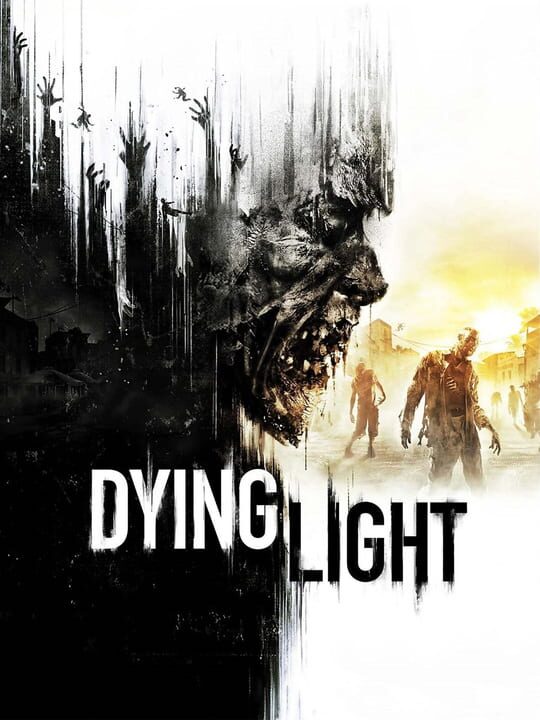
▲ Official Cover Art (Source: IGDB)
| Topic | Details & Insights |
|---|---|
| Key Industry Speaker | Tymon Smektała (Former Franchise Director, Techland) |
| Core Franchise | Dying Light |
| Primary Thesis | Developers have an obligation to listen to player emotions, even if suggested player solutions are incorrect. |
| Event Context | Digital Dragons Conference (Industry Keynote) |
| Recent Milestones | Smektała’s official departure from Techland; March 2026 major update for Dying Light: The Beast |
The Player Ownership Paradigm in Dying Light
The moment a game is launched, it undergoes a fundamental transformation in ownership. Smektała argues that once a title releases, it ceases to belong solely to the development team; instead, it immediately gains hundreds, thousands, or even millions of stakeholders. This shared custody means developers must transition from pure creators to community stewards. For a massive franchise like Dying Light, managing this transition is critical to maintaining a healthy, long-term player base.
From Creator Asset to Community Property
This shift in ownership introduces a flood of community reviews, constructive criticism, and occasionally, toxic backlash. Smektała’s core philosophy is that developers have a direct obligation to engage with these voices rather than retreating behind a wall of corporate silence. By recognizing players as legitimate stakeholders, developers can foster an environment where players feel genuinely valued. This philosophy was recently highlighted by industry designer Joe Henson, who emphasized the value of polite, constructive developer responses to negative Steam reviews as a powerful tool for rebuilding player trust.
Why Player Solutions are Wrong, but Their Feelings are Right in Dying Light
While listening to the community is essential, Smektała cautions that developers must not blindly implement every feature request or mechanical fix suggested by fans. When players experience frustration in Dying Light, their proposed solutions—such as demanding specific weapon nerfs or layout changes—are often technically unviable or harmful to the game’s overall design balance. Vocal minorities can easily skew development priorities if a team does not have a robust filtering system in place.
The Disconnect Between Technical Execution and Player UX
Instead of focusing on what players demand, Smektała advises developers to focus on what players feel. A player’s anger, disappointment, boredom, or excitement is always a true reflection of their user experience. If a player claims a mechanic is broken and offers a bad solution, the developer’s job is to ignore the bad solution but dissect the underlying frustration. Understanding the emotional root cause allows designers to implement elegant fixes that preserve the game’s core mechanics while resolving player pain points.

▲ Official Artwork (Source: IGDB)
The Evolution of Modern Community-Dev Relations
This empathetic approach to design is becoming increasingly vital in the modern gaming landscape. With major franchises continuously delivering updates, such as the major survival overhaul released in March 2026 for Dying Light: The Beast, maintaining a clear line of communication with the community is key to retaining players. By focusing on emotional analytics rather than raw feature checklists, developers can ensure that their game updates resonate deeply with the core player base.
Actionable Insights for Live-Service Projects
Implementing this philosophy requires a shift in how community management teams and design leads collaborate. Rather than simply passing a list of user complaints to the programming team, community managers must act as emotional translators, turning player outcry into actionable UX data. By adopting this stance, studios can prevent developmental drift, maintain their creative authority, and ultimately build games that feel truly co-created with their audiences.
Bridging the Gap: Why Dying Light Proves That Listening to Player Pain Points Beats Blindly Following Feature Requests
Game development often falls into the trap of design echo chambers where telemetry data overrides human frustration. By prioritizing emotional feedback over mechanical fixes suggested by players, studios can preserve their creative vision while fixing actual gameplay friction. For developers looking to maintain long-term engagement, this approach provides a healthier roadmap than trying to satisfy every vocal thread on social media. It changes user feedback from a checklist of demands into a diagnostic tool for refining the core gameplay loop.
Final Pulse Score: 9.0 / 10